



The Standard Bank Luju Food & Lifestyle Festival has strengthened its partnership with Mozambique’s creative sector following the official launch of its 2026 edition in Maputo on Tuesday.
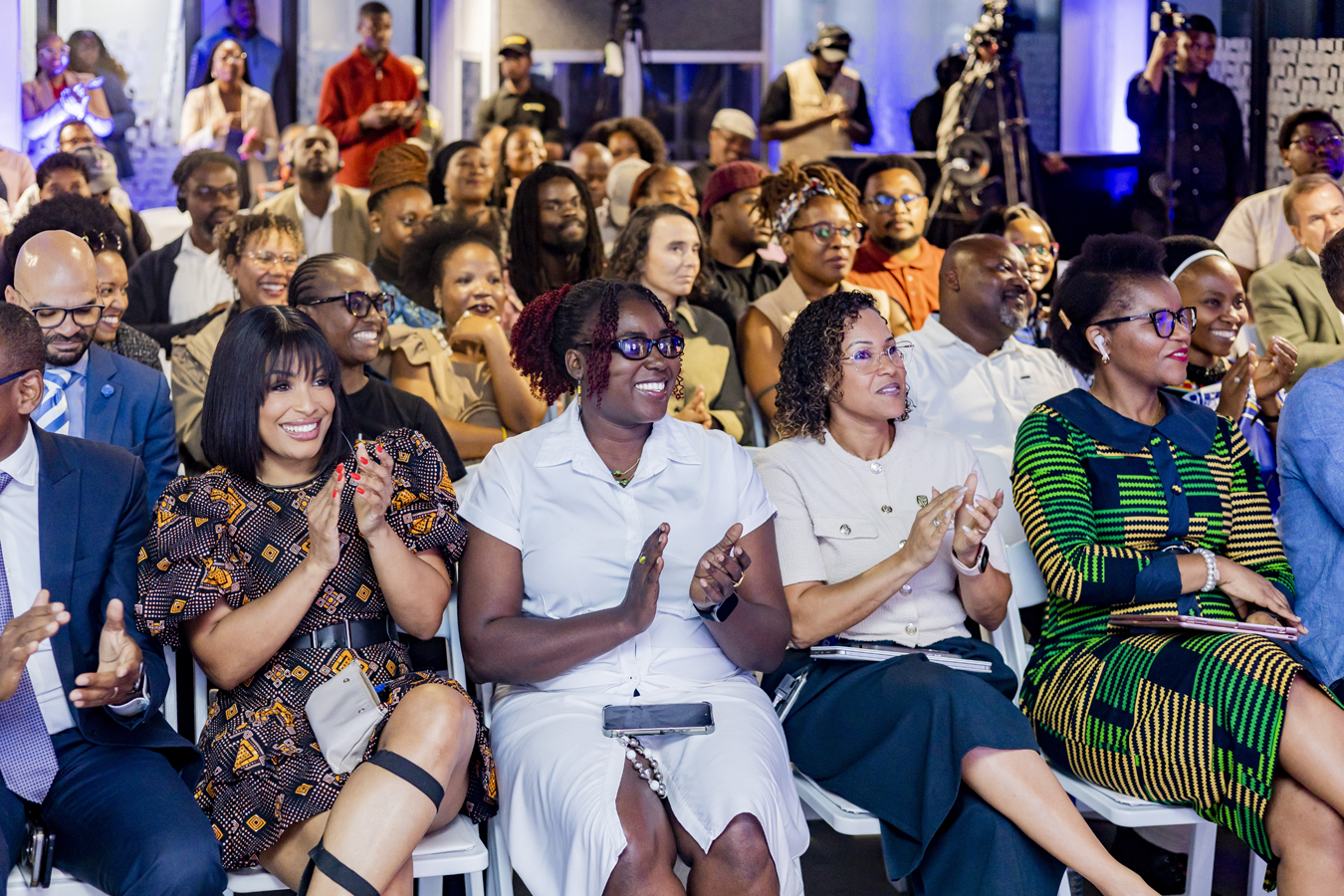
The launch, held at the Standard Bank Incubator Hub in partnership with Standard Bank Mozambique, marked another step in the festival’s commitment to strengthening creative, cultural and economic relations between the neighbouring countries.
The eighth edition of the festival will be held from August 1 to 2 at House On Fire in Malkerns, bringing together food, fashion, music and entrepreneurship under this year’s theme, ‘A Return to the African Future.’
Standard Bank Mozambique Director of Marketing and Brand Management Dayse Madeira Correia said the bank viewed culture as an important driver of economic growth across Africa.
“At Standard Bank, we believe that culture is also a driver of economic development. That is why we support initiatives that celebrate African identity, create opportunities for young people, and strengthen the creative industries, a sector that is becoming increasingly important for the diversification of African economies,” she said.
Representing Standard Bank Eswatini Head of Brand and Marketing Sanele Khumalo was Temaswati Dlamini.
“What began as a celebration in a single market has grown into something much bigger. Today, it is a movement that connects people, creativity and opportunities beyond borders. We are proud to support platforms that preserve, promote and showcase the very best of who we are as a continent,” said Khumalo.
The launch also highlighted Mozambique’s growing importance to the festival. Festival organisers revealed that the country was now the second-largest market for Luju, with increasing participation from its creative sector.
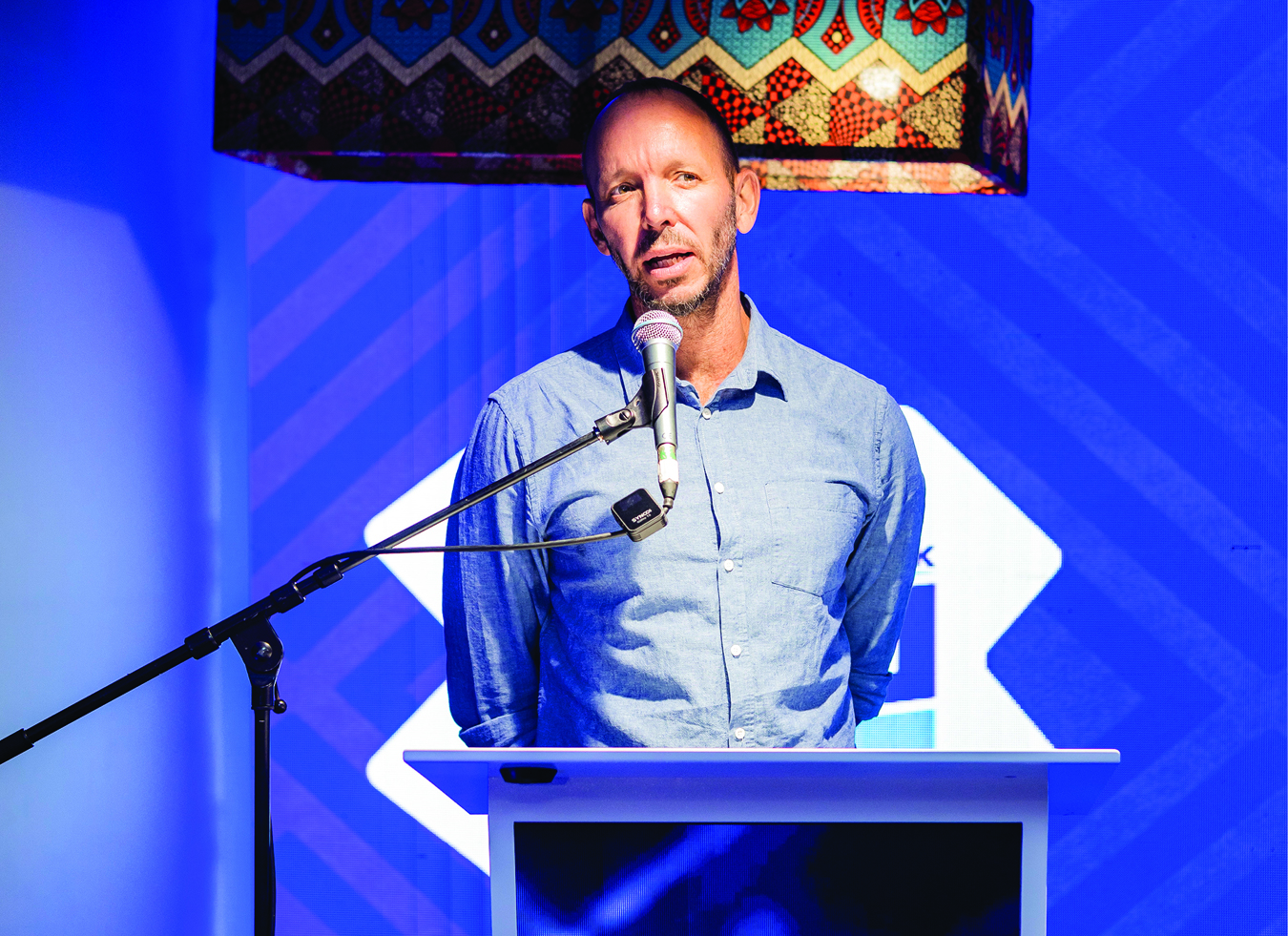
Luju Festival Creative Director Jiggs Thorne said the decision to launch the festival in Mozambique reflected a deliberate effort to build meaningful regional partnerships.
“There is a very clear purpose behind what we do. We are not simply entertainment organisers. We are committed to harnessing the transformative power of the arts and using it as a vehicle for growth and development,” said Thorne.
Mozambique will once again feature strongly in this year’s programme, with renowned Marrabenta singer Neyma joining the music line-up alongside Ka-Tembe Connexion, a collaborative project celebrating the shared cultural history between the two countries.
The festival will also unveil a Mozambican fashion designer and culinary expert who will participate in this year’s regional fashion showcase and culinary demonstrations.
Addressing delegates, Mozambique Secretary of State for Arts and Culture Matilde Muocha described the partnership as an important opportunity for the country’s creative sector.
“Given the scale of the audience and the media exposure the event attracts, we have the opportunity to participate in an economy that extends not only across Southern Africa but throughout the world, as the Luju Festival serves as a gateway to greater visibility for Mozambican arts,” said Muocha.
Festival organisers said the launch also reinforced efforts to expand market access for creatives, entrepreneurs and small businesses across Southern Africa through partnerships with organisations including Mapas Das Artes, the European Union, Cultiv’Arte and Centro Cultural Franco-Moçambicano.
This year’s festival is expected to attract more than 10 000 people from over 26 countries.
The fashion programme will be themed ‘Kwasukasukela’ (Once Upon a Time), while the culinary programme will celebrate ‘Nguni Foodways’, showcasing indigenous food traditions from across Southern Africa.
Organisers said Luju continued to grow beyond entertainment into a platform that promotes tourism, trade, entrepreneurship and regional cultural collaboration.
In 2025, the festival generated E2.7 million in sales for 103 SME traders, while the wider House On Fire festival ecosystem contributed more than E121 million annually to the country’s economy and supports over 2 300 jobs.