


No Liswati is among the more than 53 000 foreign nationals who have been deported or repatriated from South Africa this year.
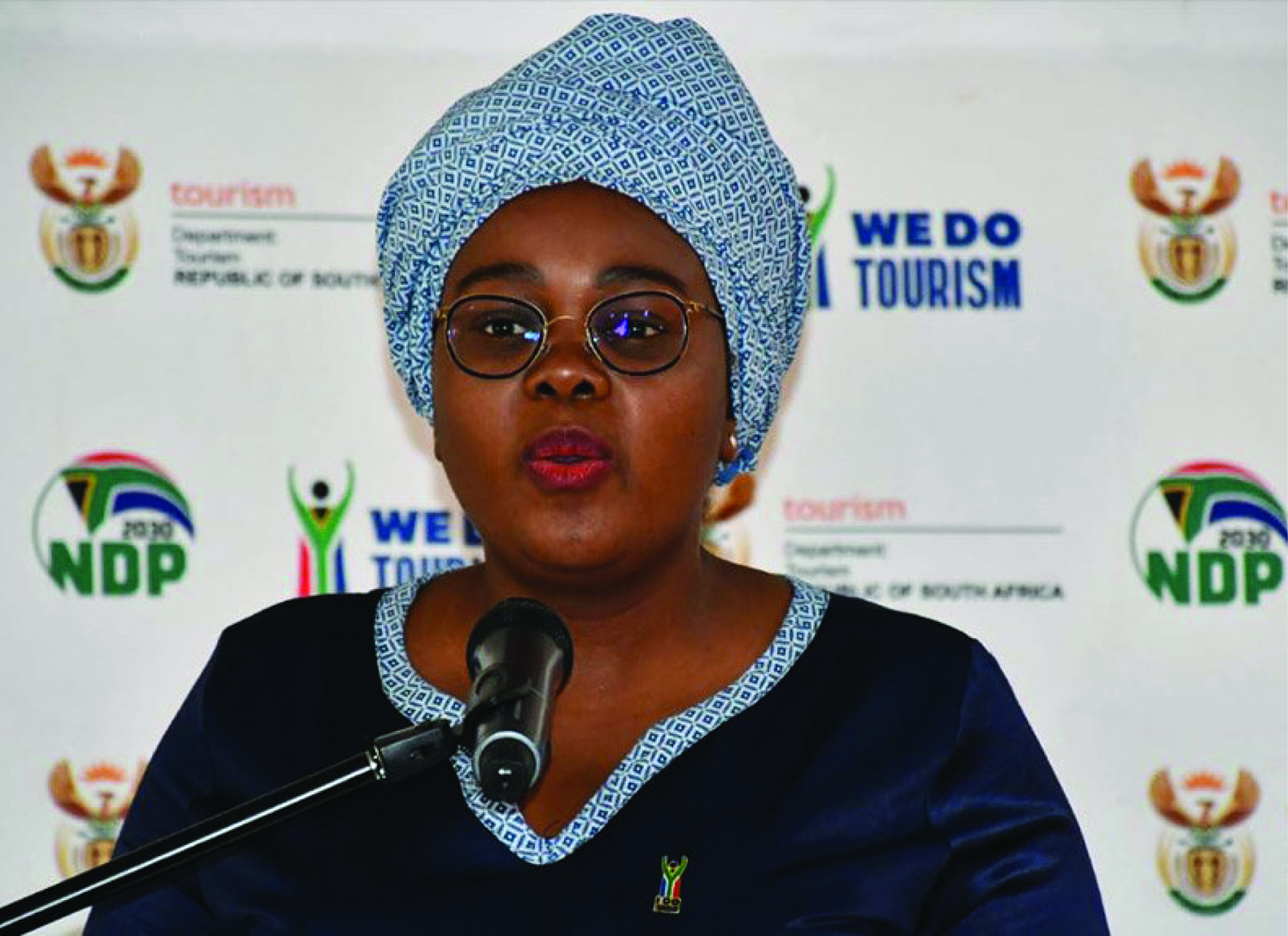
According to information published by IOL News, South Africa’s Justice and Constitutional Development Minister Mmamoloko Kubayi, who chairs the Inter-Ministerial Committee (IMC) on Migration, said over 53 449 foreign nationals have been processed for deportation or repatriation.
Most of those affected are from Malawi, Zimbabwe and Mozambique. The minister said Malawians make up more than 80% of the total number. Other countries whose citizens have been returned include Lesotho, Kenya, Nigeria, the Democratic Republic of Congo and Uganda.
On June 26, South African authorities reported that 15 162 Malawian nationals had already been repatriated.
Since then, the number has increased significantly. The latest figures show that 53 449 foreign nationals have now been processed for deportation or repatriation.
Repatriations to countries outside the Southern African Development Community (SADC) totalled 2 615. These include 431 people from Kenya, 1 159 from Nigeria, 86 from the Republic of Congo and 939 from Uganda.
In addition to repatriations, South Africa continued with its normal immigration deportation programme. In June alone, 4 898 people were deported for immigration-related reasons.
Despite the high number of deportations, Eswatini has not recorded any citizen in the latest deportation figures released by South African authorities.
“The majority of our compatriots in South Africa are employed in the informal sector and in the lower end of the labour market, particularly in agriculture, construction and retail,” the report stated.
‘No more illegal immigrants crossing at informal points’
UMBUTFO Eswatini Defence Force (UEDF) says the situation at the country’s border has returned to normal, with no recent reports of illegal immigrants entering the country through informal crossing points from South Africa.
UEDF Public Affairs Officer Major Sandile Gwebu confirmed yesterday that security forces are continuing to monitor the country’s borders closely following concerns over a possible rise in undocumented migrants.
The concerns came after anti-immigration protests in South Africa intensified between mid-June and the end of June. Undocumented migrants were reportedly given until June 30 to leave that country or risk forced removal. The campaign has been led by March and March, whose leaders include Jacinta Ngobese-Zuma, Phakel’umthakathi and amaBhinca King Ngizwe Mchunu.
Gwebu said the army had strengthened patrols at informal crossing points during the period of heightened tensions.
“Things are now normal. We haven’t had any recent reports of illegal immigrants crossing into Eswatini through informal routes this month,” said Gwebu.
He said soldiers remain on high alert and continue carrying out routine patrols to protect the country’s borders and prevent illegal entry.
Earlier this month, soldiers intercepted four Zimbabwean nationals who allegedly entered the country illegally from South Africa through an undesignated crossing point. The group was arrested during a routine border patrol.
According to an earlier UEDF report, Ngwenya, Matsamo and Lavumisa recorded the highest number of informal border crossings during the recent migration concerns.
Authorities had feared that the kingdom could experience an increase in undocumented migrants if xenophobic violence in South Africa worsened.
However, the latest assessment shows that the situation has stabilised. Meanwhile, South Africa says it has deported or repatriated more than 53 000 foreign nationals since launching a migration management campaign about five weeks ago.
Officials said most of those deported were from Zimbabwe, Malawi and Mozambique, with more deportations expected as operations continue.
The crackdown follows weeks of anti-immigration protests in parts of South Africa, where demonstrators have called for stronger border controls and the removal of undocumented migrants.
Some protests have turned violent, with reports of intimidation and looting.
Several African countries, including Ghana, Nigeria, Uganda and Kenya, have organised flights to bring their citizens back home.
Despite the developments in South Africa, Gwebu said the country’s borders remain secure.
“Our patrols continue, and we are committed to ensuring that Eswatini’s borders remain safe and well protected,” Gwebu said.