Persons with disabilities have called for greater accessibility and improved customer service in retail stores, highlighting the daily challenges they face when shopping.
The concerns were raised during the DPM Trolley Dash Drive at Pick n Pay Mashayitafula yesterday, where beneficiaries shared their experiences of navigating retail spaces.
Victor Mpila, who represented people with hearing impairments, said communication remained a major challenge, as shop assistants often assumed that customers with hearing impairments could hear normally.
He said the situation becomes even more difficult when assistants are unable to communicate using sign language, leaving people with hearing impairments struggling to access assistance while shopping.
Wheelchair users also raised concerns about inaccessible store layouts, particularly shelves positioned beyond their reach.
One beneficiary said wheelchair users were often overtaken by other shoppers, while products placed on high shelves were difficult or impossible for them to access independently.
Nelisiwe Shiba, who has albinism, said people often assumed that because persons with albinism appeared able-bodied, they had no visual difficulties.
She said the small size of numbers and words on price tags made it difficult for people with albinism to see prices, potentially affecting their ability to compare products and make informed purchasing decisions.
Sibusiso Maziya, who has a visual impairment, said shopping could be particularly challenging because assistants sometimes simply point customers towards products without explaining what was available.
He said this means that shoppers with visual impairments could miss out on cheaper alternatives and ultimately spend more money than they could afford.
The beneficiaries called for retailers to improve accessibility, train staff on disability inclusion and ensure that all customers can shop with dignity and independence.
Meanwhile, DPM Thulisile Dladla yesterday launched the country’s first-ever trolley dash competition specifically targeting unemployed people with disabilities, in a move aimed at promoting inclusion and challenging businesses to make their services more accessible.
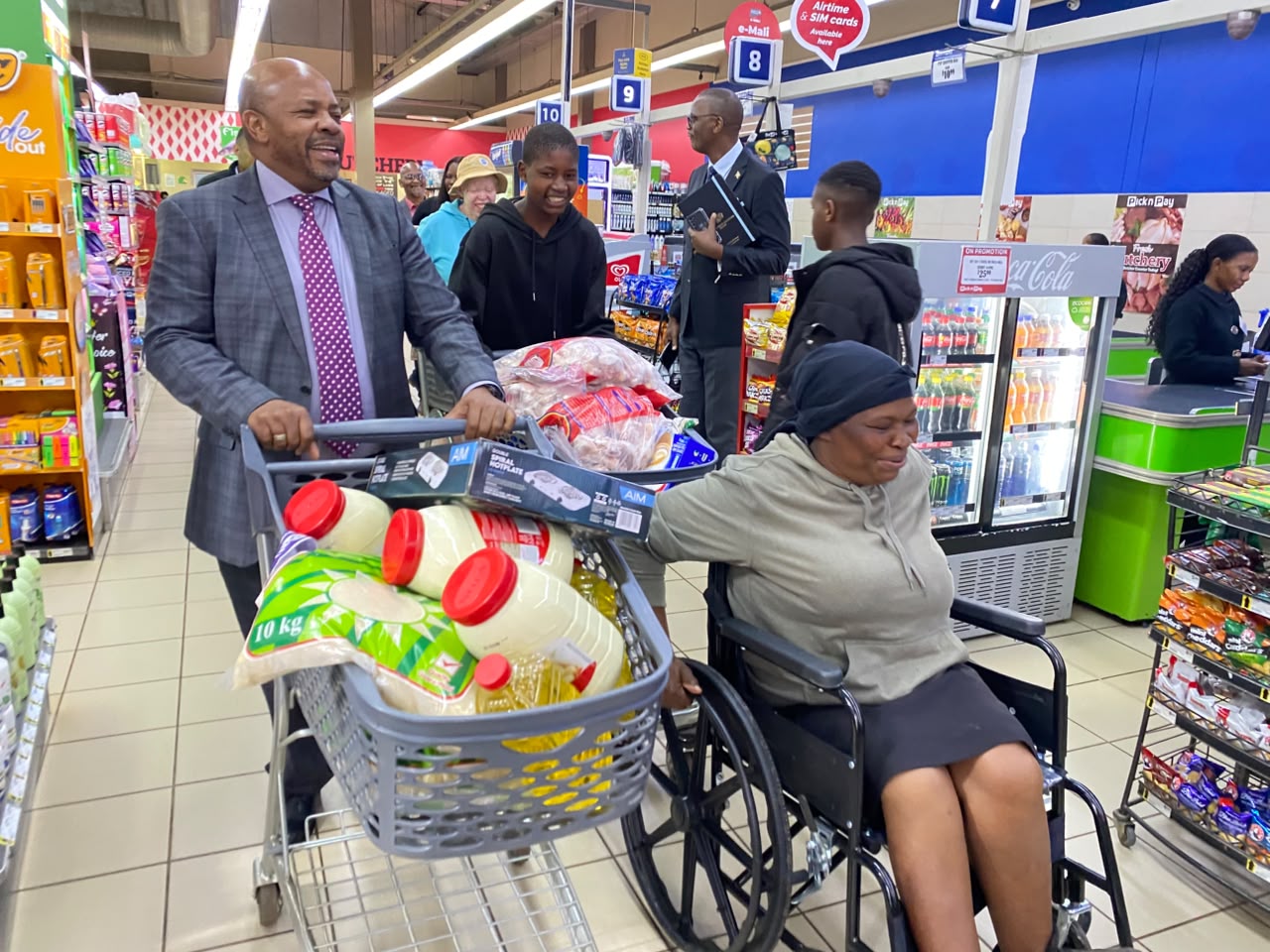
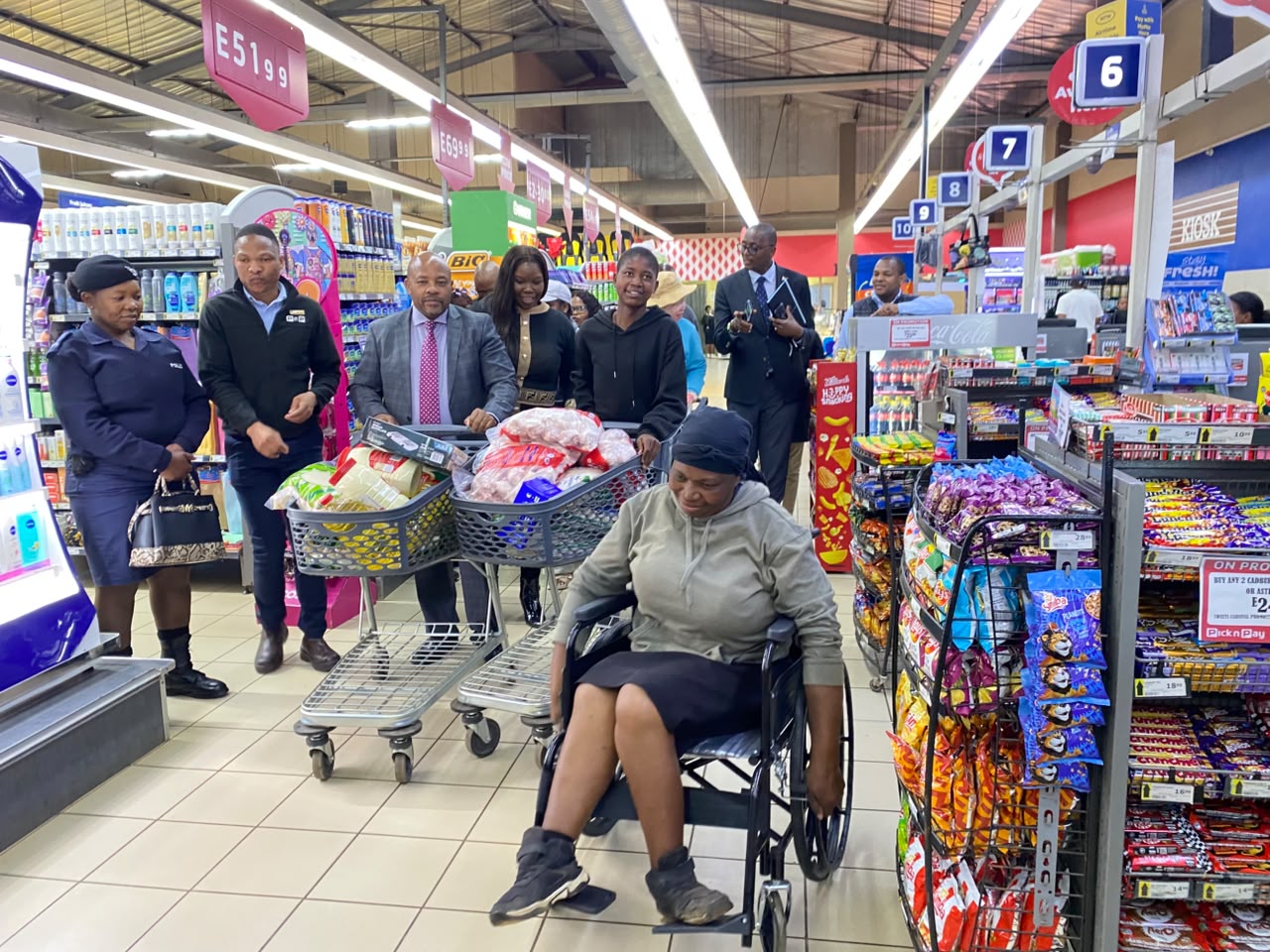
The E30 000 trolley dash drive saw nine beneficiaries given the opportunity to shop for basic groceries worth up to E2 000 each at Pick n Pay Mashayitafula yesterday.
The beneficiaries, who represented various disability categories, including physical disabilities, visual impairments, hearing and speech impairments, albinism and multiple disabilities, were selected from 397 applicants through a draw held at the DPM’s office last month.
The beneficiaries included Nozizwe Rebecca Shiba, Fikiswa Mgabhi, Nothando Ndlela, Khanyakwezwe Shongwe, Fikile Francis Sikhondze, Nkosephayo Zakumi Mamba, Sibusiso J. Maziya, Lindiwe Margaret Tembe and Phineus Themba Makhunga.
The beneficiaries were allowed to shop for groceries up to the value of E2 000 each, with their substantive members of Parliament (MPs) stepping in to settle any amount exceeding the allocated limit.
The initiative, launched on June 22, is a disability-inclusion drive spearheaded by Dladla, with the support of Cabinet ministers, the Federation of Disabled in Eswatini (FODSWA), Pick n Pay Eswatini, African Alliance and private donors.
The total prize pool was funded through contributions from Dladla, Cabinet ministers, including Finance Minister Neal Rijkenberg, Minister of Tinkhundla Development and Administration Sikhumbuzo Dlamini, Minister of Health Mduduzi Matsebula, Minister of Commerce, Industry and Trade Manqoba Khumalo, Minister of Natural Resources and Energy Prince Lonkhokhela, as well as corporate and private donors.
The initiative was administered and audited by FODSWA, with the organisers stressing the importance of fairness and transparency.
Speaking during the event, Dladla said the drive was intended to go beyond providing groceries by raising awareness about the everyday barriers faced by persons with disabilities.
She said beneficiaries had highlighted challenges such as difficulty reaching products placed high on shelves, particularly for wheelchair users, as well as the need for greater patience and improved communication when assisting people with different disabilities.
Dladla urged Pick n Pay and other retailers to consider making their premises more accessible by placing products at reachable heights and ensuring that staff were adequately trained to assist and communicate with customers with disabilities.
The DPM expressed gratitude to Pick n Pay for partnering with the initiative and said she hoped the collaboration would continue.
Pick n Pay CEO Mario Fernandez thanked everyone who supported the initiative and expressed hope that the beneficiaries would enjoy the opportunity to shop for their groceries.
He noted that Pick n Pay already employed nine people with disabilities, while the initiative’s organisers said they hoped the partnership would inspire similar private-sector initiatives focused on meaningful inclusion.
The trolley dash was framed as more than a once-off shopping experience, with the DPM emphasising the need for sustainable disability inclusion, greater employment opportunities and improved accessibility.