Government has assured the nation that the country’s public debt remains at sustainable levels despite continued borrowing.
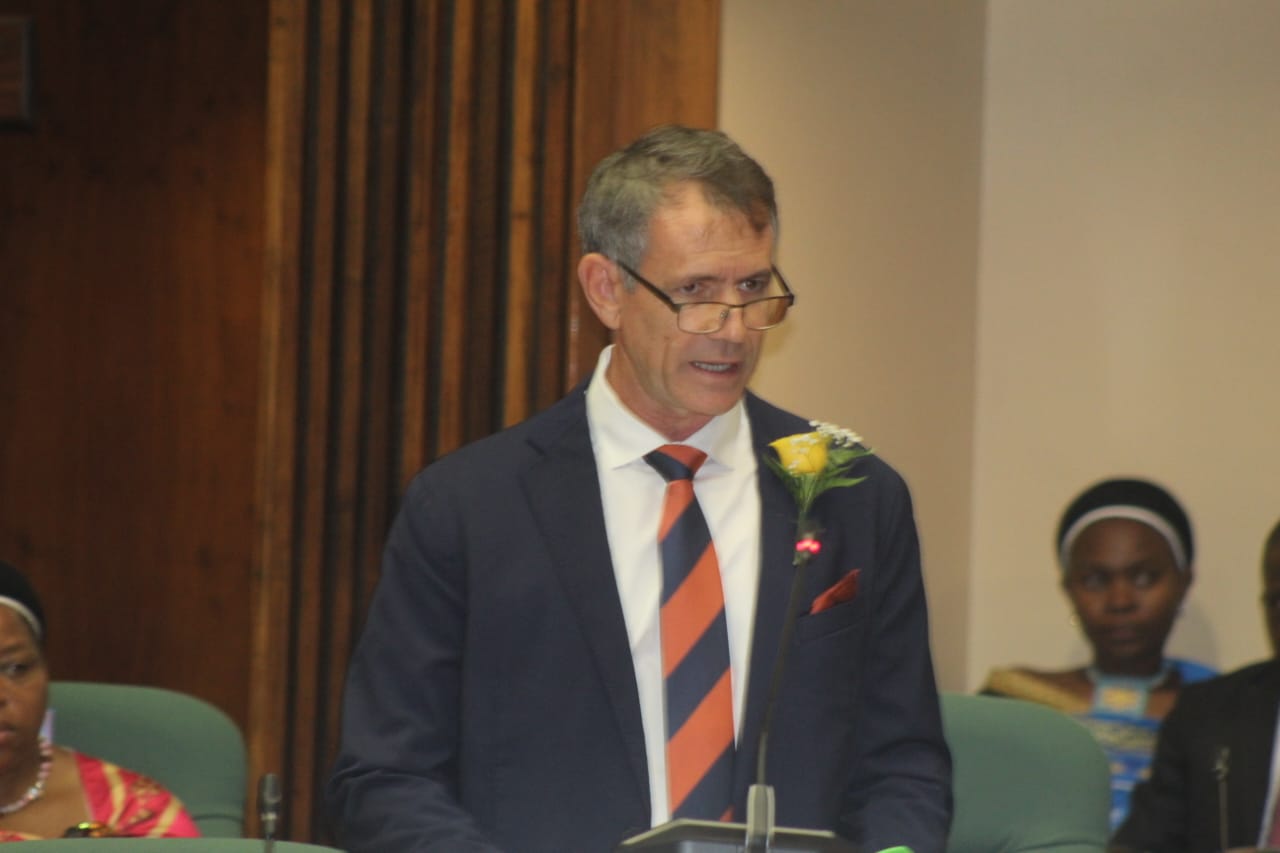
Minister of Finance Neal Rijkenberg said the debt position is still well below internationally accepted thresholds. He was speaking during the ‘Finance in Focus’ weekly financial update yesterday.
The minister addressed some recent public concerns following reports suggesting that the country’s debt was rising to unsustainable levels. While government continued to source loans to finance development projects, settle supplier arrears and ease cashflow constraints, he said the debt-to-gross domestic product (GDP) ratio remained at around 45%, a level he described as manageable.
Rijkenberg said although the debt ratio had gradually increased over the years, it remained significantly below the 60% benchmark that many countries regard as the upper limit for prudent public debt management. He explained that maintaining a conservative debt profile was important because it preserved investor confidence and ensured that the country could continue accessing financing on favourable terms.
“If we are seen as conservative, it means banks and financial institutions around the world are willing to lend to Eswatini. That benefits government, parastatals and even the private sector because it helps keep the cost of borrowing low. We are taking on more debt. As a country, we continue to take loans and we continue to repay loans, but we always try to manage our debt around the 45% debt-to-GDP ratio. The average debt-to-GDP ratio on the continent is about 66%,” said Rijkenberg.
The minister added that Eswatini remained one of the few countries on the continent whose external debt portfolio consists entirely of concessional loans rather than commercial borrowing. He said government was currently raising additional funding to settle supplier arrears and improve cashflow.
He said delayed payments and slower implementation of some capital projects were largely a result of liquidity constraints rather than an unsustainable debt burden. He revealed that government paid approximately E500 million to suppliers at the end of the previous month.
Rijkenberg said the additional funding being mobilised would help clear outstanding supplier payments and accelerate capital projects that had experienced delays due to cashflow challenges. He maintained that government remained committed to responsible borrowing while ensuring it met its financial obligations and continued investing in the country’s development priorities.