


The latest diesel price increase in South Africa is expected to raise business costs in Eswatini, with economists warning of inflationary pressure in the months ahead.
The increase in diesel prices has raised concerns among Eswatini economists, who predict that higher fuel costs will eventually filter through to consumers and businesses as the country relies heavily on imports from its neighbouring market.
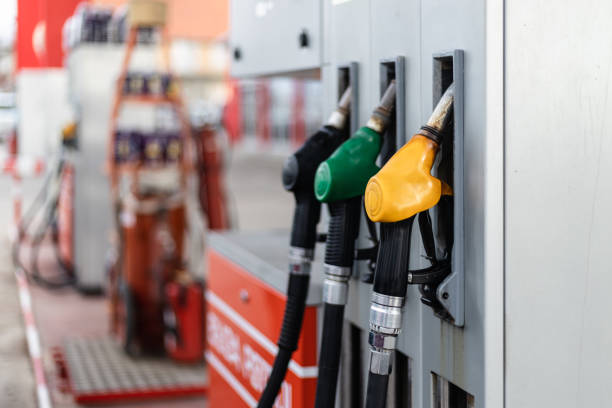
South Africa has adjusted its fuel prices, effective today, increasing diesel prices by up to E1.38 per litre while reducing petrol prices by 52 cents per litre.
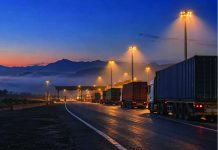
The diesel increase is expected to have a stronger impact on Eswatini because the kingdom imports about 99% of its commodities from South Africa, making transport and logistics costs a major factor in the local economy.
Economist Thembinkosi Dube said the increase would put pressure on the cost of living and the cost of doing business, particularly because diesel remains a key input in many economic activities.
He explained that businesses involved in food production, retail, manufacturing and distribution would likely experience increased operating expenses as transportation costs rise.
These additional costs are expected to eventually be passed on to consumers through higher prices for goods and services.
Dube said the effects of the diesel price increase would likely become more visible around October as businesses adjust their budgets and suppliers respond to higher transport costs.
Small and medium enterprises (SMEs), especially those involved in importing and exporting goods between Eswatini and South Africa, are expected to face additional financial pressure.
Dube advised businesses to explore ways of reducing operating costs, including investing in alternative energy solutions such as solar power for operations that depend heavily on electricity.
He also suggested that Eswatini should continue considering alternative fuel options, including electric vehicles, as global markets expand the use of cleaner energy technologies.
While electric vehicles are costly, he said they could provide long-term opportunities to reduce dependence on imported fuel.
Another economist, Sanele Sibiya, said Eswatini could eventually experience a similar diesel price adjustment, depending on local pricing decisions and market conditions.
“The conditions that have necessitated an increase in diesel price in South Africa are probably the same that Eswatini is faced with,” said Sibiya.
He added that instability in global oil markets, including geopolitical tensions involving the United States, Iran and other countries in the Middle East, had contributed to uncertainty around fuel prices.
According to Sibiya, the volatility of the lilangeni/rand exchange rate could also influence future fuel costs because Eswatini’s economy is closely linked to South Africa.
Although the reduction in South African petrol prices may provide some relief to petrol users, Sibiya said the benefit could be limited compared to the broader economic impact of higher diesel prices.
Eswatini’s annual inflation rate recently slowed to 2.6% in June from 2.7% in May, according to the Central Statistical Office.
However, economists warn that rising diesel costs could reverse some of the recent progress as businesses adjust prices to cover increased expenses.
The latest fuel adjustment highlights the vulnerability of Eswatini’s economy to external price movements, particularly in South Africa, where many of the country’s goods and fuel supplies originate.
Businesses and consumers are now expected to monitor the impact of higher diesel costs as they move through the economy.