
For almost 10 months, one of Eswatini’s largest financial institutions has operated without a functioning board of directors.
Yet, according to Eswatini National Provident Fund (ENPF) Chief Executive Officer Futhi Tembe, the governance vacuum never became an excuse for paralysis.
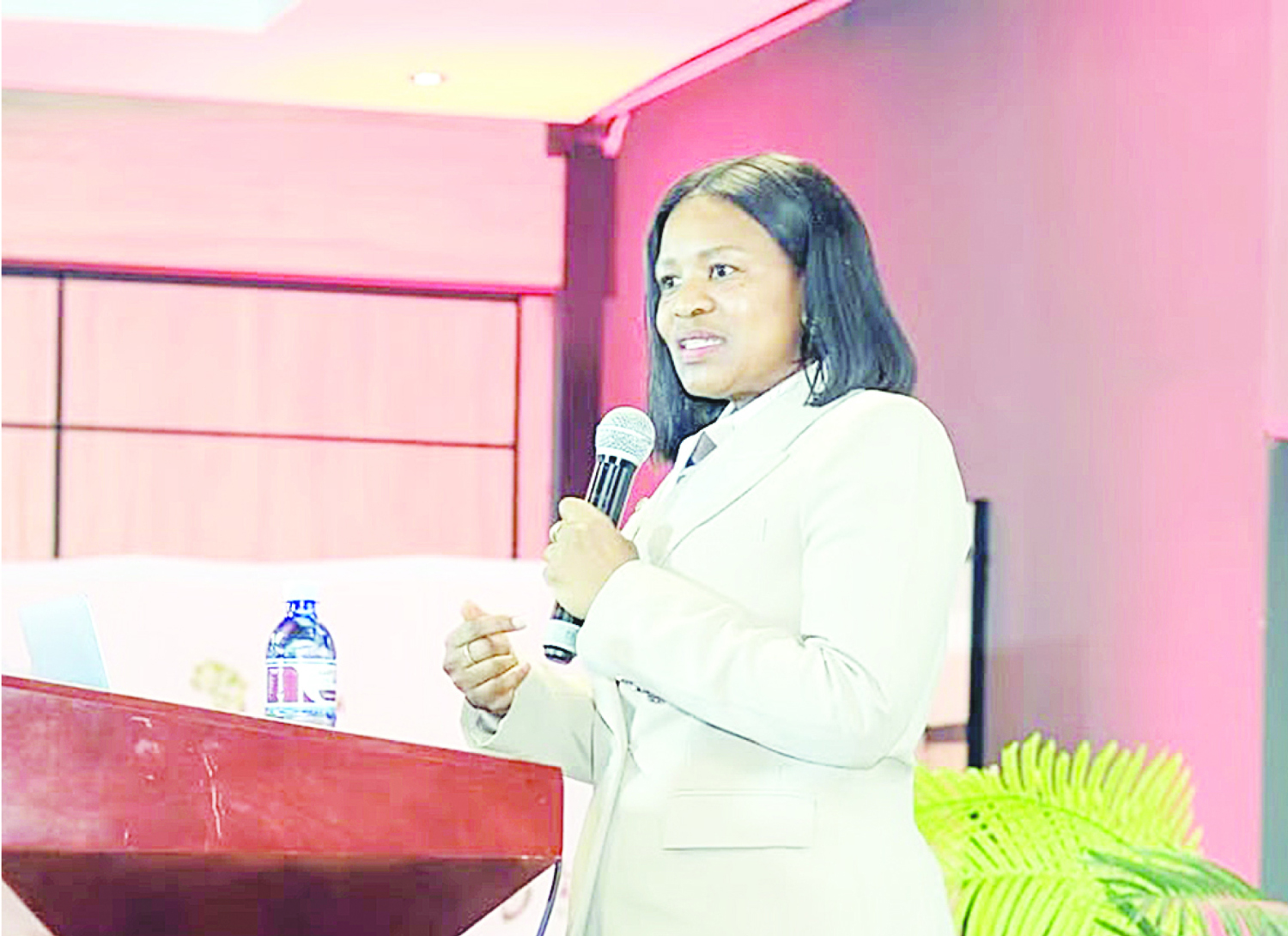
Addressing delegates as the keynote speaker on the opening day of the LeadAfrica Summit at Happy Valley Hotel in Ezulwini on Saturday, Tembe made a candid admission: leading the fund without a board has been one of the defining tests of her leadership.
“I’ve had the misfortune to lead without a board. It’s now the tenth month where there is no oversight of ENPF,” she said.
Rather than waiting for governance structures to be restored, she said management chose to keep the institution moving.
“That shouldn’t keep you from moving. You can’t sit back and say, ‘Because I don’t have a board, things won’t happen. Because I don’t have a board, staff won’t get bonuses. Because I don’t have a board, members’ services won’t continue or members’ interest won’t be paid.’
“As a leader, you need to find ways to ensure that the organisation moves despite the challenge you’re facing.”
Her remarks shed rare public light on the prolonged governance crisis at the fund. The ENPF board chaired by Derrick Shiba was appointed in October 2025, but employer and employee representatives later withdrew from participating, leaving the board unable to form a quorum or exercise effective oversight.
The situation has been the subject of repeated public scrutiny and parliamentary concern, particularly given ENPF’s strategic importance as one of the country’s largest institutional investors, managing assets exceeding E7.9 billion on behalf of more than 170 000 members.
Acting on a recommendation from a select committee chaired by MP Marwick Khumalo, Minister of Labour and Social Security Phila Buthelezi recently dissolved the ENPF board.
Despite the absence of a board, Tembe said the fund continued paying members’ interest, rewarding staff performance and delivering services without interruption.
Rather than focusing on what could not be done, she said management concentrated on what had to be done.
The governance vacuum was not the only storm confronting the organisation. Tembe identified the proposed conversion of ENPF from a provident fund into a national pension scheme as another defining challenge.
The proposal, which attracted widespread public debate and criticism last year, generated intense media attention and affected employee morale.
She admitted that misinformation surrounding the proposed reforms created additional pressure within the organisation.
“There was so much negativity,” she said, explaining that management had to consistently reassure and motivate employees while keeping them focused on serving members.
For Tembe, navigating both crises required clarity of purpose.
She said every major decision was guided by what she described as the fund’s ‘north star’ — transforming ENPF into a pension fund capable of providing members with lifelong monthly income instead of a once-off lump-sum payout at retirement.
Equally important, she said, was embracing servant leadership by placing members, employees and the institution ahead of personal interests.
Faith, she added, remained her greatest source of resilience.
Quoting Proverbs 3:5-6 which reads, ‘Trust in the Lord with all your heart and lean not on your own understanding’, Tembe said the scripture had sustained her through some of the most uncertain moments of her career.
She also revealed that, outside the organisation’s formal governance structures, she relies on what she calls her own ‘personal board of directors’ — trusted advisers who provide accountability, strategic counsel, ethical guidance, spiritual support and honest feedback.
“Leadership is never a solo journey,” she said.
Having joined ENPF in 2007 as a management and investment accountant before rising through the ranks to become the fund’s first female chief executive, Tembe described her leadership journey as “one continuous journey, but very, very bumpy.”
She believes difficult seasons ultimately reveal a leader’s character more than comfortable ones ever can.
While her remarks portrayed an organisation determined to remain operational despite an unprecedented governance vacuum, they also raise a broader question: How long should an institution entrusted with billions of Emalangeni and the retirement savings of more than 170 000 Emaswati operate without full board oversight?
For now, Tembe’s message is one of resilience. But for policymakers, regulators and stakeholders, the prolonged absence of a functioning board may remain the bigger issue.