



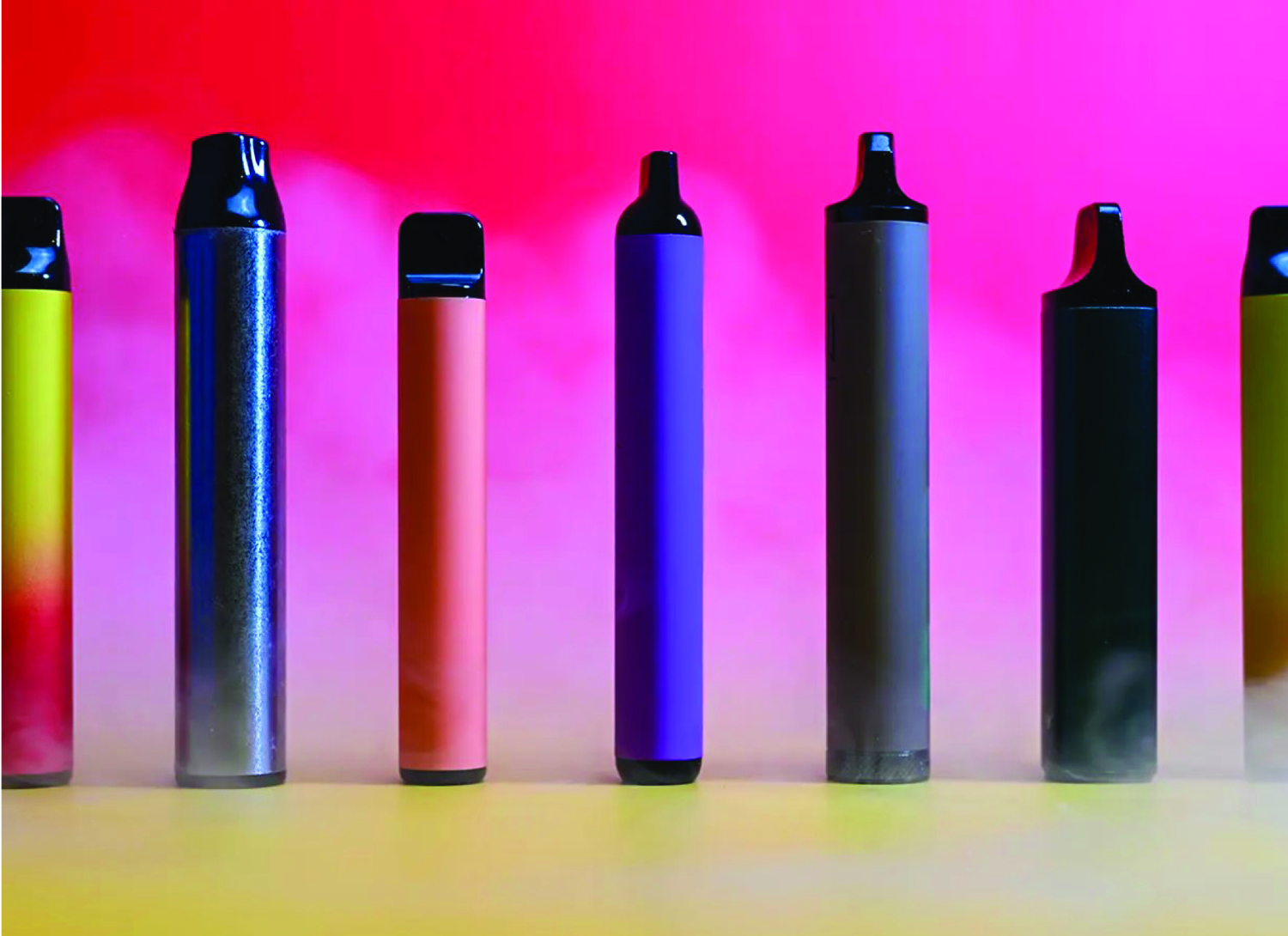
PARENTS are urged to pay closer attention to seemingly ordinary gadgets their children carry, amid growing concern that discreet vaping products are finding their way into schools.
The warning comes as some vaping devices are designed to resemble everyday items such as USB flash drives, pens and other sleek gadgets, making them easy to conceal in school bags, pockets and among stationery.
With schools set to reopen tomorrow, the concern has taken on added urgency.
The concerns emerged on social media, where a post circulating urged parents to take children’s access to vaping products seriously. The post questioned how vaping devices were becoming so accessible to children and called on parents to be more vigilant about the items they carry.
It also claimed that some children were experiencing concentration problems, forgetfulness and distraction as a result of vaping. However, such claims cannot, on their own, establish that vaping is responsible for changes in a particular child’s behaviour or academic performance.
Director of My Wardrobe Eswatini Linda Prince Malindzisa is among those urging parents to be cautious.
The businessman, whose shop sells suits, said he had noticed the trend among schoolgoing clients preparing for prom.
In one instance, Malindzisa said, a young boy who appeared unusually calm dropped what looked like a flash drive. When he picked it up, he realised it was a vaping device and questioned the child.
Malindzisa said he was particularly concerned that the devices were also being used by children from affluent families.
“What is sad is that this is being used by children who come from affluent families, who do everything for them. They go to nice schools,” he said.
As a parent and businessman, he said it was sad to watch young people being consumed by what he described as sophisticated drugs.
Another parent said she became suspicious after her child asked for a Type-C charger despite not owning a phone that used one. She later discovered that it was being used to charge a vaping device.
She urged parents, schools, retailers and government to share responsibility for preventing children from accessing the products. She said schools could strengthen education and counselling on vaping, nicotine, drugs and peer pressure.
Unlike traditional cigarettes, vaping products can be small, discreet and visually appealing. Some also come in flavours and designs that may attract young people.
The World Health Organization has warned that nicotine is highly addictive and can affect adolescent brain development, including areas responsible for attention, learning and impulse control.
It has also raised concerns about products being marketed and designed in ways that appeal to young people.
The concerns surrounding vaping come against a wider backdrop of increasingly sophisticated substance-use trends among schoolchildren in the country.
During the Manzini Regional Dissemination of the HIV Prevention Indaba hosted by NERCHA at The George Hotel recently, St Michael’s High School teacher Raphael Masuku warned that pupils were adopting behaviours adults did not always immediately recognise.
Masuku said vaping was among emerging behaviours teachers needed to understand, noting that some devices resembled pens and came in appealing flavours.
He said peer pressure remained a major challenge.
The developments have also raised questions about how easily minors can access vaping products and whether existing regulations are sufficient to protect children.
The WHO’s 2023 country profile for Eswatini reported that the country did not have specific legislation regulating e-cigarettes and electronic non-nicotine delivery systems at the time of its assessment.
The warning also places responsibility on retailers and schools to help prevent children from accessing these products.
As schools prepare to reopen, parents are being encouraged to learn what these devices look like, talk openly with their children and remain alert to unexplained gadgets or chargers.