



Public transport operators say the approved 25% fare increase will not sufficiently cushion them against rising operating costs, with fuel prices having increased by 59% since the last public transport fare adjustment.
National Road Transportation Council (NRTC) Chairperson Sabelo Dlamini said operators were grateful that the increase was finally being implemented, although it would not cover even half of the losses they had incurred over the years.
He said the latest adjustment offered some relief, but left operators with a significant shortfall between the increase in fuel costs and the additional revenue they would receive through the new fares.
Dlamini said the situation highlighted the need for government to plan ahead and put measures in place to prevent public transport operators from repeatedly finding themselves under pressure whenever fuel prices increased.
He expressed hope that government would ensure that the national oil reserve became operational as scheduled, saying this would give operators confidence that the country was better prepared to manage future fuel-related challenges.
According to Dlamini, the concern was not only about the immediate increase in fuel prices but also the country’s preparedness to deal with similar developments in the future.
He said a functioning oil reserve would be an important step towards strengthening preparedness, while emphasising that government needed to anticipate potential challenges rather than respond only after they had affected businesses and the public.
He said the experience had demonstrated how vulnerable the public transport sector remained to increases in the cost of fuel, which directly affected the daily expenses of operators.
The latest adjustment follows months of discussions between government and transport operators on how to balance rising operating costs with the affordability of public transport for commuters.
In May, some operators began charging the maximum fares stipulated in the Maximum Bus and Taxi Fares (Amendment) Regulations, 2022, after previously offering discounted fares. It was said that the new fees meant that commuters travelling from Manzini to Mpuluzi would pay E70 instead of E50, while those travelling to Dingizwe would pay E65, up from E50. The ministry of public works and transport had appealed to operators to remain within gazetted fares while discussions on a new adjustment continued.
In August, the National Road Transport Council proposed raising the minimum bus fare for journeys of up to eight kilometres from E10 to E15. The ministry proposed E12.50 for the same distance, while the council later submitted a counter-proposal that included adjustments to fares for longer journeys. The discussions also considered the need to develop a formula for future fare reviews based on fuel prices and other variable operating costs.
However, fuel was not the only expense putting pressure on their businesses.
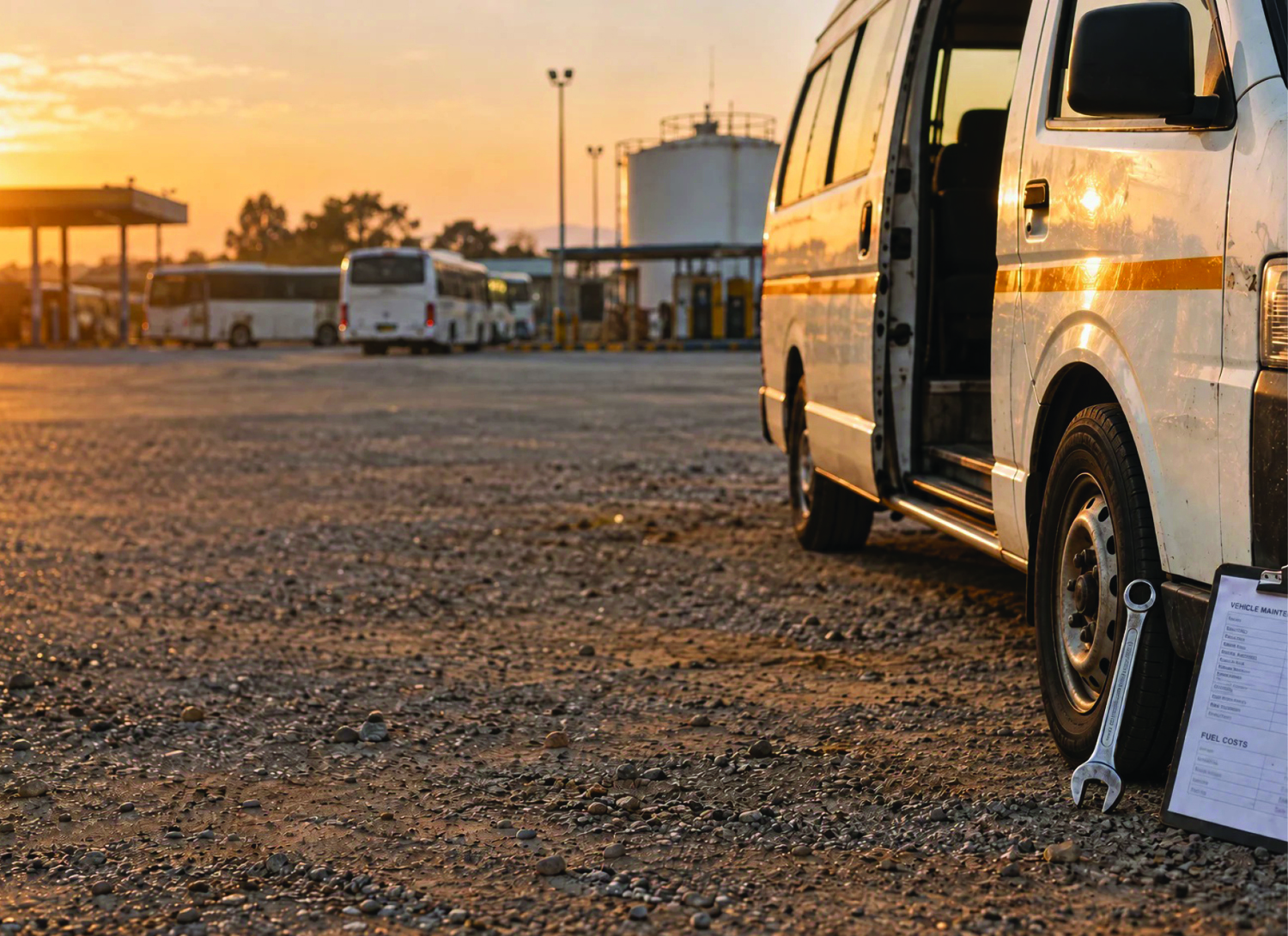
Dlamini said vehicle maintenance and repairs were also eating into operators’ earnings, with the cost of keeping vehicles roadworthy adding to the financial burden. He said this had prompted the need for public transport owners and associations to consider ways of reducing the costs associated with running their businesses, including owning filling stations and spare parts outlets.
According to Dlamini, such investments could help operators manage some of their major expenses rather than remain entirely dependant on external suppliers for fuel and vehicle components.
He said the idea was for operators and associations to explore opportunities that could allow them to reduce their operating costs and retain more of the money generated by their businesses.
Owning filling stations and spare parts businesses would, however, require operators to consider the financial and operational demands of such ventures, including the capital needed to establish them and the resources required to sustain them. Dlamini said while operators were not necessarily seeking to compare the kingdom with neighbouring countries, they believed it was important to consider how other governments and transport industries responded to similar fuel cost pressures.
He said operators in Eswatini and South Africa bought fuel at comparable market-linked prices, yet South African taxi associations had moved to increase local fares. A local minibus taxi trip in parts of South Africa costs around R20, although fares vary depending on the route and taxi association.
He said the comparison was not necessarily about matching South African fares but about ensuring that the local transport industry could remain viable as its operating costs increased.
| Economic Indicator / Route | Previous / Baseline | Current / Adjusted | Operational Impact |
|---|---|---|---|
| Fuel Price Movement | Base Level | +59% Increase | Primary driver of operating deficit since previous gazetted fare review. |
| Approved Fare Adjustment | Existing Rates | +25% Approved | Covers less than half of the documented operating expenditure increases. |
| Short Distance Minimum Fare (≤8 km) | E10.00 | E12.50 (Ministry) / E15.00 (NRTC) | Subject of extensive negotiation between operators and government. |
| Manzini – Mpuluzi Route | E50.00 | E70.00 | Shift from previous discounted operator fares to gazetted caps. |
| Manzini – Dingizwe Route | E50.00 | E65.00 | Implemented following 2022 amendment ceiling enforcement. |
Comparative breakdown of public transport fares and fuel cost adjustments in Eswatini.