
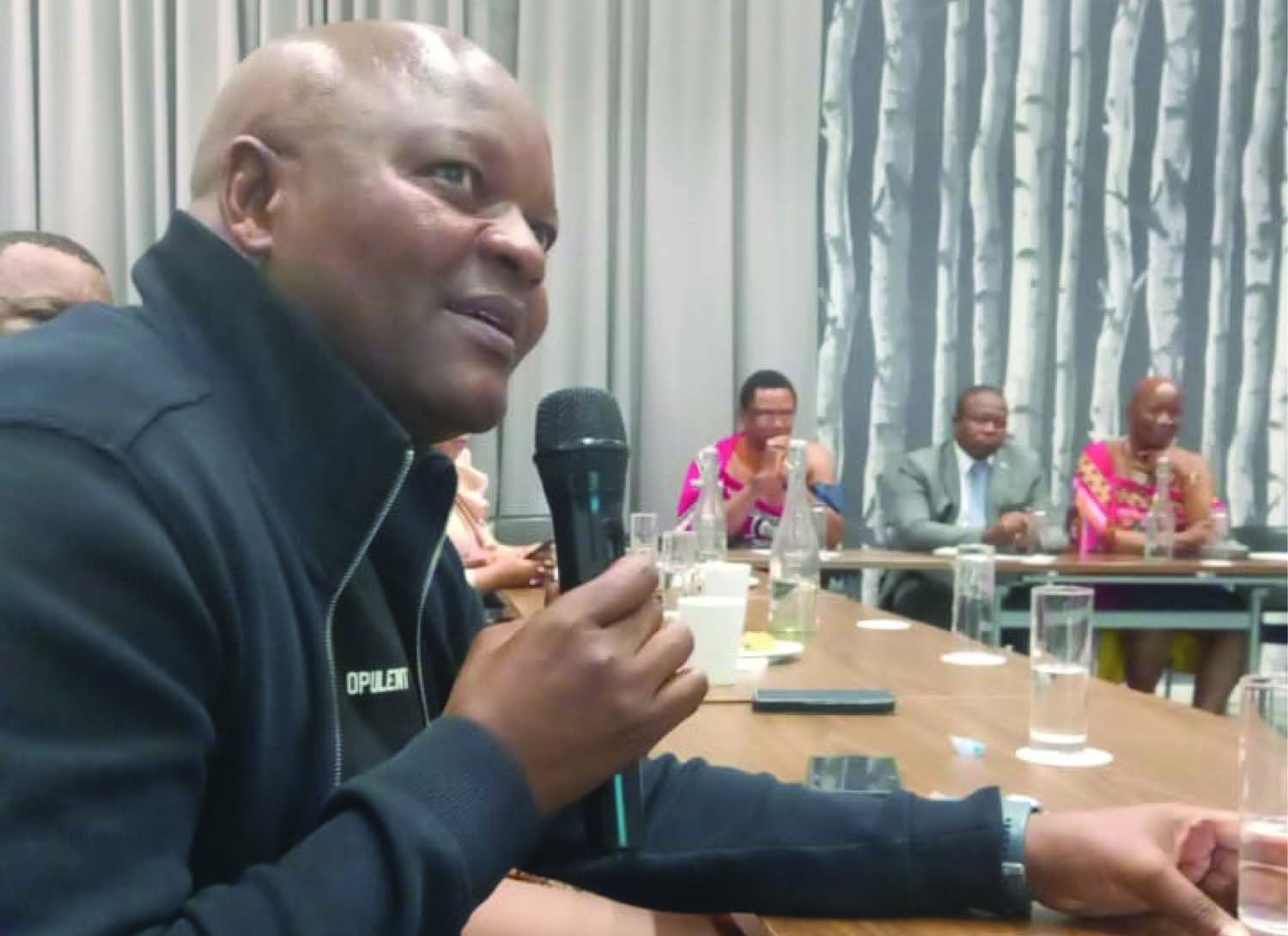
THE local retail sector could see a significant shift towards citizen ownership, with Citizens Economic Empowerment Council (CEEC) Chairperson Lincoln Motsa saying locals are ready to take over.
Motsa, who is the businessman behind OK Foods retail outlets countrywide, said the country already has a pool of educated and experienced locals capable of taking advantage of opportunities expected to emerge once the Citizens Economic Empowerment (CEE) Regulations come into effect.
Speaking during discussions with senators on the final draft of the CEE regulations at the Hilton Garden Inn, early this week, Motsa said many potential entrepreneurs already possessed the skills needed to operate businesses, but lacked access to capital.
“We have many well educated students in business from tertiary institutions but unfortunately they are unemployed,” Motsa said, adding that these individuals could fill the business opportunities expected to arise from the regulations.
He said the experience of employees already working in the retail sector also demonstrated that locals had the capacity to manage businesses successfully.
Motsa cited employees in his OK Foods supermarket chains who had worked as managers for years and accumulated considerable operational experience.

“They have great experience and skill in running a store. The only thing they need is finance from banks to take over the retail sector and run them,” he said. Motsa also pointed to Botswana’s experience as an example of how deliberate policies to promote local production could eventually result in broader economic participation.
He said the country’s decision to restrict imported vegetables initially generated public concern, but eventually encouraged foreign-operated businesses to partner with local farmers, improving production and spreading the benefits to communities.
“Eswatini needs to adopt the same approach when it comes to the retail sector. Yes, there will be pain and discomfort in the beginning of the transition, but it will be far outweighed by how many Emaswati will benefit economically. I think Emaswati are ready to take over the retail sector,” Motsa said.
Commerce, Industry and Trade Minister Manqoba Khumalo said the transition would require confidence in the ability of Emaswati to participate meaningfully in the economy.
“I think we have gone far too long without protecting them and without giving them the benefit of the doubt,” Khumalo said. “Things will not start perfectly, but we have to trust Emaswati as many have learnt a great deal about running businesses.”
The minister said transitional clauses and other mechanisms would be necessary to prevent disruptions as businesses adjust to the new framework.
Under the final draft, retail businesses with an annual turnover below E8 million would be reserved for targeted citizens, while larger businesses in specified strategic sectors could accommodate non-citizen participation through joint ventures with at least 50.1% ownership by targeted citizens.
Khumalo also said the regulations could provide for communities hosting major capital projects to benefit directly, particularly where natural resources are involved, with traditional authorities potentially being incorporated into such arrangements.
The proposed CEE framework seeks not only to increase citizen ownership, but also to broaden economic participation through procurement, strategic partnerships and community-level benefits.
| Regulatory Scope | Proposed Threshold / Provision | Strategic Intent |
|---|---|---|
| Reserved Retail Segment | Annual turnover below E8 million | Exclusively reserved for targeted Eswatini citizens |
| Strategic Joint Ventures | Minimum 50.1% citizen equity ownership | Regulated foreign partnerships in larger capital-intensive sectors |
| Community Natural Resources | Direct host-community benefit sharing | Incorporation of traditional authorities and local trusts in major capital projects |
| Market Transition Safeguards | Phased transitional sunset clauses | Prevent supply chain interruptions during operational handover |
Summary of the final draft Citizens Economic Empowerment (CEE) Regulations presented to Senate.
Foreign Exchange Rates
| Currency / Asset | Buy (SZL) | Sell (SZL) |
|---|---|---|
| USDUS Dollar | 16.6099 | 16.6599 |
| GBPBritish Pound | 21.9342 | 22.0002 |
| JPYJapanese Yen | 0.1049 | 0.1053 |
| CHFSwiss Franc | 19.9399 | 19.9879 |
| BWPBotswana Pula | 1.1544 | 1.1912 |
| AUDAustralian Dollar | 11.5489 | 11.5870 |
| CADCanadian Dollar | 11.6446 | 11.6764 |
| EUREuro | 18.6089 | 18.6649 |
| Gold | 4,129.0600 | |
| Oil | 102.78 | |
Standard Bank Global Markets Department
Direct Line: +268 2517 5330 ·
Email: gmswaziland@stanbic.com