



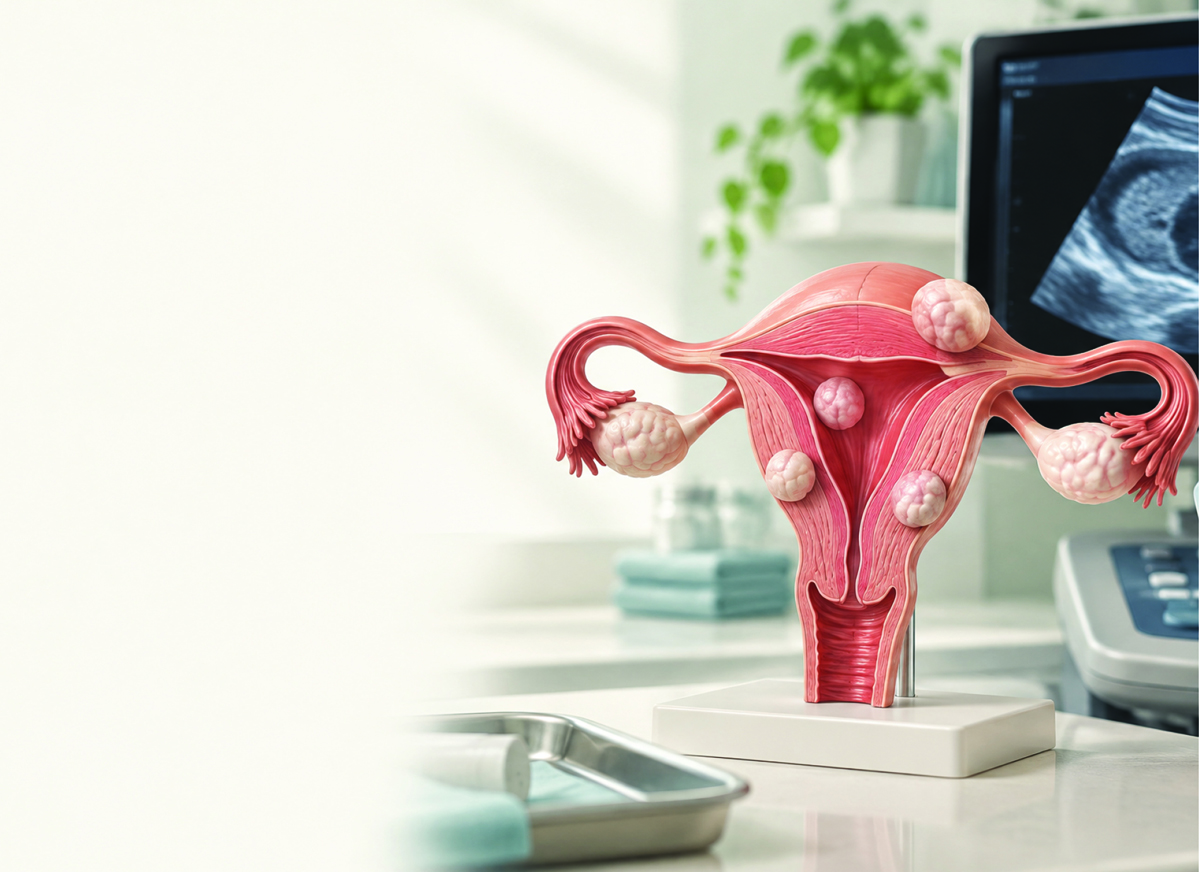
Uterine fibroids are non-cancerous growths that form in the muscle tissue of the uterus.
Also known as uterine leiomyomas or myomas, fibroids are common, affecting a significant percentage of individuals with a uterus, particularly during their reproductive years. Despite being a common condition, fibroids can vary greatly in size, shape and location, with some being relatively harmless while others can lead to significant symptoms and complications.
WHAT ARE FIBROIDS?
Fibroids are benign (non-cancerous) tumours that grow from the muscular wall of the uterus. They can develop either inside the uterus, on its outer surface, or within its muscular walls. Though fibroids are not cancerous and generally don’t pose a serious health risk, they can cause various symptoms that impact the quality of life. The exact cause of fibroids remains a mystery, but they are strongly linked to hormonal influences, especially oestrogen and may have a genetic component.
Fibroids are incredibly common, with an estimated 80% of individuals with a uterus developing them at some point in their lifetime. However, not everyone will experience symptoms.
In fact, many people with fibroids may never know they have them, as some fibroids can remain asymptomatic and are discovered incidentally during routine medical exams.
TYPES OF FIBROIDS
Fibroids are classified based on their location within the uterus. Understanding the type of fibroid helps guide treatment options, as each type can present different symptoms and challenges.
Subserosal Fibroids: These are the most common type and grow on the outer surface of the uterus. These fibroids can sometimes become pedunculated, meaning they develop a stalk-like structure attaching them to the uterus. Subserosal fibroids can grow large and press against nearby organs, potentially causing discomfort and symptoms like abdominal pressure and back pain.
Intramural Fibroids: These fibroids grow within the muscular wall of the uterus. Intramural fibroids can lead to significant pain or discomfort, especially when they grow larger. They can also affect the shape of the uterus, potentially causing complications with fertility or pregnancy.
Submucosal Fibroids: These fibroids grow into the inner lining of the uterus. While less common than the other two types, submucosal fibroids are often associated with heavy menstrual bleeding, and they can interfere with the implantation of an embryo, potentially causing fertility problems.
SYMPTOMS OF UTERINE FIBROIDS
While many people with fibroids don’t experience symptoms, others may encounter a range of issues, some of which can significantly impact their daily lives. Common symptoms of uterine fibroids include:
-
Heavy Menstrual Bleeding (Menorrhagia): Fibroids can cause excessive bleeding during menstruation, which can lead to anaemia and fatigue.
-
Painful Periods: Individuals with fibroids may experience more intense menstrual cramps or discomfort.
-
Pelvic Pain and Pressure: Large fibroids can exert pressure on surrounding organs, leading to sensations of fullness, discomfort, or even pain in the pelvic region.
-
Lower Back and Leg Pain: Depending on the location of the fibroids, individuals may experience pain in the lower back or down the legs.
-
Frequent Urination: Fibroids that press on the bladder can lead to a frequent need to urinate.
-
Pain During Sexual Activity: Known as dyspareunia, this symptom can occur if fibroids are pressing on the uterus or cervix.
-
Constipation: Large fibroids can sometimes press against the rectum, leading to difficulty in bowel movements.
For some, fibroids can interfere with fertility and they are associated with complications during pregnancy, such as a higher risk of caesarean delivery. Large fibroids may also cause abdominal swelling and a noticeable weight gain.
CAUSES AND RISK FACTORS
The exact cause of uterine fibroids remains unknown, but certain factors are known to increase the likelihood of developing them:
-
Hormonal Influence: Oestrogen and progesterone, the hormones that regulate the menstrual cycle, play a significant role in fibroid growth. Fibroids tend to enlarge during times of higher oestrogen, such as pregnancy, and shrink after menopause when oestrogen levels decrease.
-
Genetics: Family history can influence fibroid development. If a close relative, like a mother or sister, has fibroids, you may have an increased risk of developing them.
-
Age and Ethnicity: Fibroids are more common in individuals between the ages of 30 and 40 and are particularly prevalent in those of African descent, often appearing at a younger age and growing more aggressively.
-
Obesity: Being overweight or obese increases the risk of developing fibroids, as excess fat can lead to higher oestrogen levels.
-
Childbearing: Interestingly, those who have given birth to multiple children have a lower risk of developing fibroids. The risk decreases with each pregnancy.
DIAGNOSING FIBROIDS
Diagnosing fibroids typically starts with a detailed medical history and a pelvic exam, during which a doctor may notice signs of an enlarged or irregularly shaped uterus. If fibroids are suspected, imaging tests such as ultrasound are often used to confirm their presence.
Ultrasound works by using sound waves to create images of the uterus, and in some cases, a vaginal ultrasound may be performed for a clearer, more detailed view.
In certain situations, further imaging tests like MRI or hysteroscopy may be recommended for additional insight. At Ekuphileni Clinic, our Diagnostic Radiology Department is equipped with advanced technology, including ultrasound, CT scans, and MRI machines, all of which play a vital role in the accurate diagnosis of fibroids.
TREATMENT OPTIONS
While many fibroids do not require treatment, those causing symptoms or complications may need medical intervention. Treatment options vary depending on the size, location and severity of the fibroids, as well as the individual’s overall health and reproductive goals.
Some of the treatment options include:
-
Medications: Hormonal therapies like birth control pills or intrauterine devices (IUDs) may help manage heavy bleeding. GnRH agonists can shrink fibroids temporarily, while anti-inflammatory drugs may alleviate pain.
-
Minimally Invasive Procedures: Techniques like uterine artery embolization (which blocks blood supply to fibroids) or MRI-guided focused ultrasound can help shrink or destroy fibroids without the need for surgery.
-
Surgical Options: In more severe cases, surgical options like a myomectomy (removal of the fibroids) or hysterectomy (removal of the uterus) may be considered, particularly for individuals who wish to alleviate symptoms or do not plan to have more children.
Uterine fibroids are a common yet often misunderstood condition. While they are usually benign, their impact on an individual’s health and well-being can range from mild to severe. Understanding the types, symptoms, causes, and available treatments can help those affected make informed decisions about their health care.
Whether you’re living with fibroids or simply learning more about them, know that treatment options are available to manage symptoms and improve quality of life.
If you’re experiencing symptoms like heavy bleeding or pelvic pain and suspect you may have fibroids, don’t wait—take action today!
Visit us at Ekuphileni Clinic in the SMVAF Building, Mbabane, where our expert team provides comprehensive diagnosis and personalized treatment plans. With state-of-the-art imaging technology, including ultrasound, CT scans and MRI, we are here to ensure you receive the best care possible. For more information or to book an appointment, call us at 2408 9500 or 7602 3380
| Type | Location described | Possible effects described |
|---|---|---|
| Subserosal | On the outer surface of the uterus; may attach by a stalk. | May press on nearby organs and cause abdominal pressure or back pain. |
| Intramural | Within the muscular wall of the uterus. | May cause pain or discomfort and affect the shape of the uterus. |
| Submucosal | Growing into the inner lining of the uterus. | Associated in the article with heavy menstrual bleeding and possible fertility problems. |
Source: Supplied article. The article’s claim about which type is most common should be medically checked before publication.