


After walking long distances and navigating slippery roads to access healthcare, some Ekukhanyeni residents say they are subjected to unnecessarily long queues at health facilities as nurses allegedly spend considerable time on their cellphones instead of attending to patients.
The concerns emerged during a panel discussion held as part of the National Emergency Response Council on HIV and AIDS (NERCHA) World AIDS Day commemoration build-up at Ekukhanyeni Constituency on Friday, where residents laid bare some of the barriers to accessing healthcare, particularly HIV prevention services.
While geographical barriers have long been a challenge for rural communities, residents suggested that some of the difficulties experienced at health facilities could be addressed without additional infrastructure or financial resources, but through improved service delivery and greater accountability among healthcare workers.
Tshidiso Mtsetfwa, a resident of Maliyaduma Umphakatsi, said residents were compelled to travel long distances to access healthcare at Mkhulamini Clinic or Raleigh Fitkin Memorial (RFM) Hospital in Manzini.
Mtsetfwa said the situation was exacerbated during the rainy season, when roads became slippery and difficult to navigate, effectively compromising residents’ access to essential healthcare services.
However, Mtsetfwa lamented that even after overcoming these geographical barriers, patients were allegedly made to endure prolonged waiting periods before receiving medical attention.
While acknowledging that patients eventually received assistance, Mtsetfwa alleged that some nurses spent time engaging in conversations among themselves and using their cellphones while patients waited to be attended to.
Mtsetfwa argued that lengthy queues at health facilities could be significantly reduced if healthcare workers prioritised their professional responsibilities and minimised unnecessary cellphone use during working hours.
The concerns come at a time when the country is intensifying efforts to eliminate barriers to HIV prevention, testing and treatment, with timely access to healthcare remaining central to the national HIV response.
Not all residents shared the same experiences regarding service delivery, though.
Zinhle Tsela of Nkiliji Umphakatsi commended healthcare workers at Bhekinkosi Clinic for their prompt and accommodating service, despite the facility being situated far from the community.
Tsela said nurses attended to patients without making them feel as though they were inconveniencing healthcare workers, even when approaching lunchtime.
Nevertheless, Tsela raised concerns over the manner in which some healthcare workers addressed young people seeking condoms at health facilities.
Tsela appealed to healthcare workers to refrain from making remarks questioning young people about their use of condoms, arguing that such interactions undermined their dignity and could discourage them from accessing HIV prevention commodities.
The resident emphasised that healthcare facilities should provide an environment in which individuals, particularly young people, could access preventative services without fear of embarrassment or judgement.
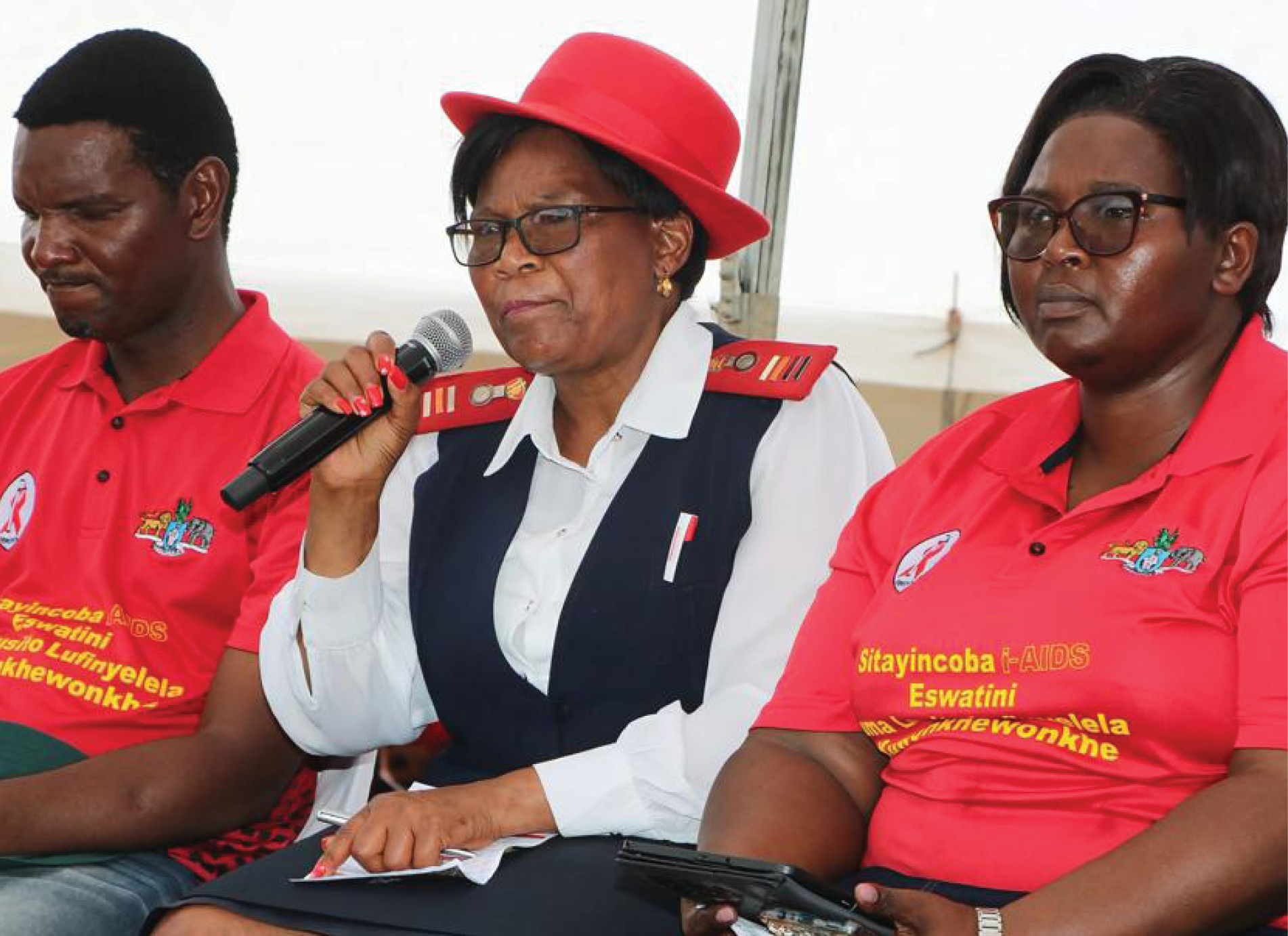
Matron Samukelisiwe Ndzinisa acknowledged the concerns regarding prolonged waiting periods and the conduct of healthcare workers.
She disclosed that the ministry had deployed managers, commonly referred to as sisters, at clinic level to strengthen supervision, address operational shortcomings and improve the quality of healthcare services.
Ndzinisa revealed that one of the clinics serving Ekukhanyeni Constituency had already been assigned such a manager, from whom the ministry expected positive outcomes.
She explained that the managers had the authority to intervene where shortcomings were identified, including addressing concerns regarding staff conduct and patient satisfaction.
Furthermore, Ndzinisa said the ministry had a customer care department tasked with assessing whether healthcare services were adequately responding to the needs of the public.
She encouraged residents to make use of existing mechanisms for raising grievances, including health committees, which served as consumer forums, and suggestion boxes available at clinics.
On the issue of geographical accessibility, Ndzinisa conceded that some health facilities were situated far from communities, noting that the ministry’s mandate was to achieve universal health coverage.
She disclosed that engagements had previously been held with the regional administrator’s office to explore ways of bringing healthcare services closer to communities and that the ministry was awaiting feedback from the constituency.
Ndzinisa added that the ministry also conducted community outreach programmes through health days, although it received numerous requests for such interventions from communities across the country.
Mothers plead for mobile clinics to reach children
MEANWHILE, women of Ekukhanyeni Constituency have appealed for the introduction of reliable mobile healthcare services, expressing concern that children may be struggling with health-related issues they are uncomfortable discussing with their parents.
Vuyisile Nkambule Nhlengetfwa, speaking on behalf of women in the constituency, said mothers recognised that their children might not always feel comfortable approaching them about sensitive health matters.
She said mobile clinics could provide an alternative avenue through which children could confidentially access professional assistance.
Nkambule Nhlengetfwa further appealed for mobile clinics to adhere to their schedules and arrive adequately equipped to provide the required services.
Eswatini National Youth Council (ENYC) representative Phumelele Gwebu said the health of young people was intrinsically linked to their productivity and economic participation.
She explained that while the council promoted entrepreneurship among young people, it also recognised the importance of safeguarding their health.
Consequently, ENYC collaborated with organisations such as the Family Life Association of Eswatini (FLAS) to bring youth-friendly mobile healthcare services to communities through trained healthcare professionals.
Bhekinkosi Bucopho Ndumiso Dlamini said the constituency had also been working with stakeholders, including FLAS and NERCHA, to improve access to healthcare services and community sensitisation.
He added that condoms were also made available at the constituency.