


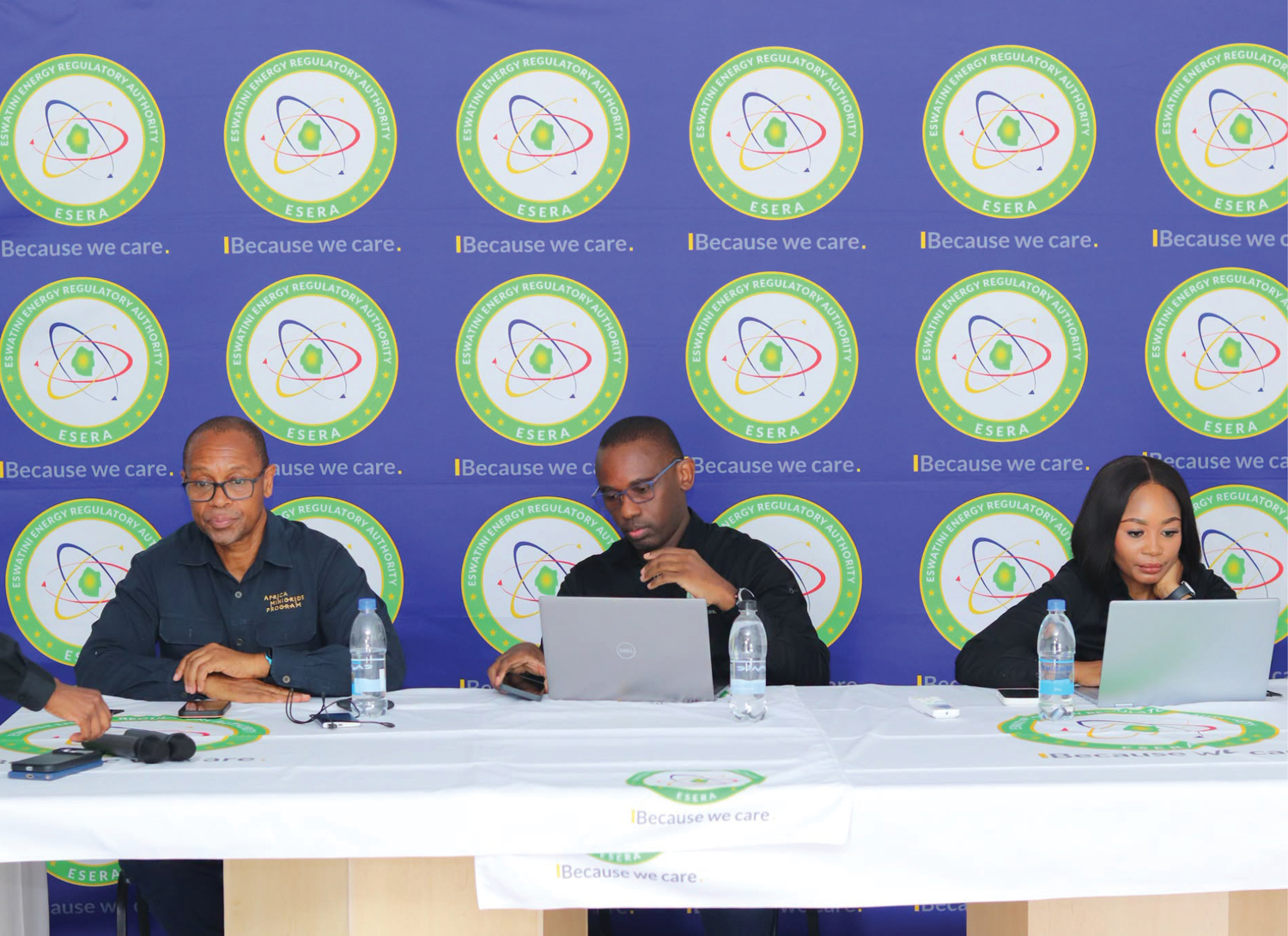
As the Eswatini Energy Regulatory Authority (ESERA) continues to receive evidence and stakeholder input that it must consider before issuing its regulatory determinations, a trend is beginning to assert itself in the deliberations.
In the four public hearings that have been held so far this week, the tone of the consultations has been whether the public contributions will result in demonstrable changes to tariff decisions, improved consumer protection and a more transparent electricity regulatory environment.
This follows the Eswatini Electricity Company’s (EEC) request for an electricity tariff hike of 18.38% for the 2027/28 financial year and 14.68% for the 2028/29 financial year.
This application is driven by the cost of bulk electricity purchases. which constitute approximately 61% of the total revenue requirement as well as the recovery of E533.I million in past under recoveries.
The initial hearings that were held in Ezulwini for the benefit of businesses, government and parastatals sent out a message that the proposed electricity tariff hikes are a threat to investment appeal. One of the biggest consumers of electricity in the country, the Royal Eswatini Sugar (RES) Corporation, represented by Bongumusa Thwala, was of the view that the proposed increases would place additional financial pressure on businesses, particularly millers and growers.
“There is a need for improved electricity supply, faster investment in local generation and greater engagement between EEC and government to find alternatives to passing the costs on to consumers” he noted.
While acknowledging the financial challenges facing the Eswatini Electricity Company (EEC), business representatives cautioned that consumers cannot be expected to shoulder the financial burden of addressing the country’s electricity challenges alone.
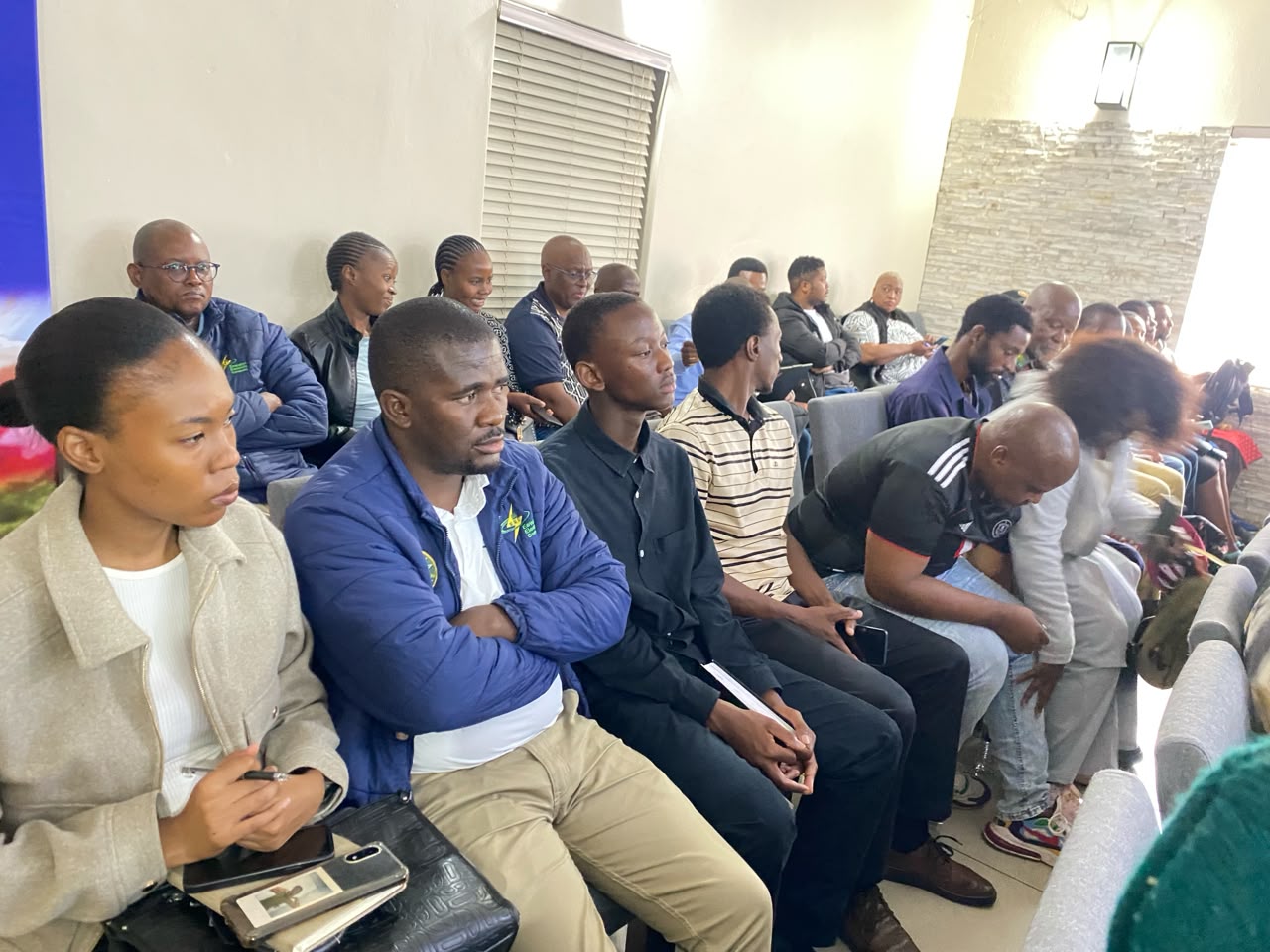
The tone was no different from that of members of civil society and the public who made their submissions at the George Hotel in Manzini on Wednesday.
Stakeholders called for a forensic audit of the Eswatini Electricity Company (EEC) before any electricity tariff increase is approved. They raised questions about financial accountability, transparency and consumer protection in the country’s electricity sector.
At the heart of the demand is the question of whether EEC has adequately demonstrated that its financial position justifies passing additional costs on to electricity consumers. The underlying argument is that consumers should not automatically be expected to finance costs that might have resulted from avoidable inefficiencies, weak financial controls or questionable management decisions.
ESERA’s role of protecting consumers has also been underscored. because it is the regulator tasked with determining whether EEC’s proposed tariffs are justified. Its mandate is not simply to approve whatever increase the electricity supplier requests.
Representing the Eswatini Consumer Forum, Mandla Ntshakala expressed strong opposition to the proposed electricity tariff increases.
His position was that ‘the proposed increases are excessive and will place an unbearable financial burden on electricity consumers’.
Ntshakala acknowledged that the Eswatini Electricity Company (EEC) was facing operational and financial challenges.
However, he argued that these challenges should not be passed on to consumers through such substantial tariff increases.
Smallholder sugarcane growers whose consumption of electricity is driven predominantly by the irrigation of their crops, expressed their helplessness at the current situation.
They are of the opinion that their views are not regarded when the decision is made as whether electricity should increase or not.
One farmer from Sihhoye, John Mazibuko, lamented the lack of representation on the boards of both the EEC and ESERA, who would be able to deliberate on their behalf.
At a sparsely attended public hearing in Mankayane, concern was raised by one of the residents, Majaha Herbert Ngwenya about the reach of the hearings. Ngwenya’s view was that the regulator has not tried to get to the consumers who reside in the rural areas.
He lamented the fact that the political leadership in many of the constituencies such as the bucopho, and tindvuna tetiNkhundla had not been adequately engaged regarding the subject matter.
“Even the traditional authorities at the various royal kraals (imiphakatsi) have not been granted an opportunity to make an input, whereas they too will be impacted by any increases in the electricity tariff” he said. In response, ESERA CEO, Sikhumbuzo Tsabedze explained that the regulator did have an interest in reaching more consumers in more constituencies, however, they were constrained by time schedules.
“A resolution on this matter has to be made by December 18 and we would encourage those consumers who were not able to make it to the public hearings to make correspondence with the regulator in writing or through the available social media platforms.”
Tsabedze stated that among all the countries in the Southern African Development Community (SADC), Eswatini has the largest number of public hearing consultations. “South Africa has four consultations, Zambia has two, Mozambique has two, and this is against Eswatini, which does nine,” he emphasised.