


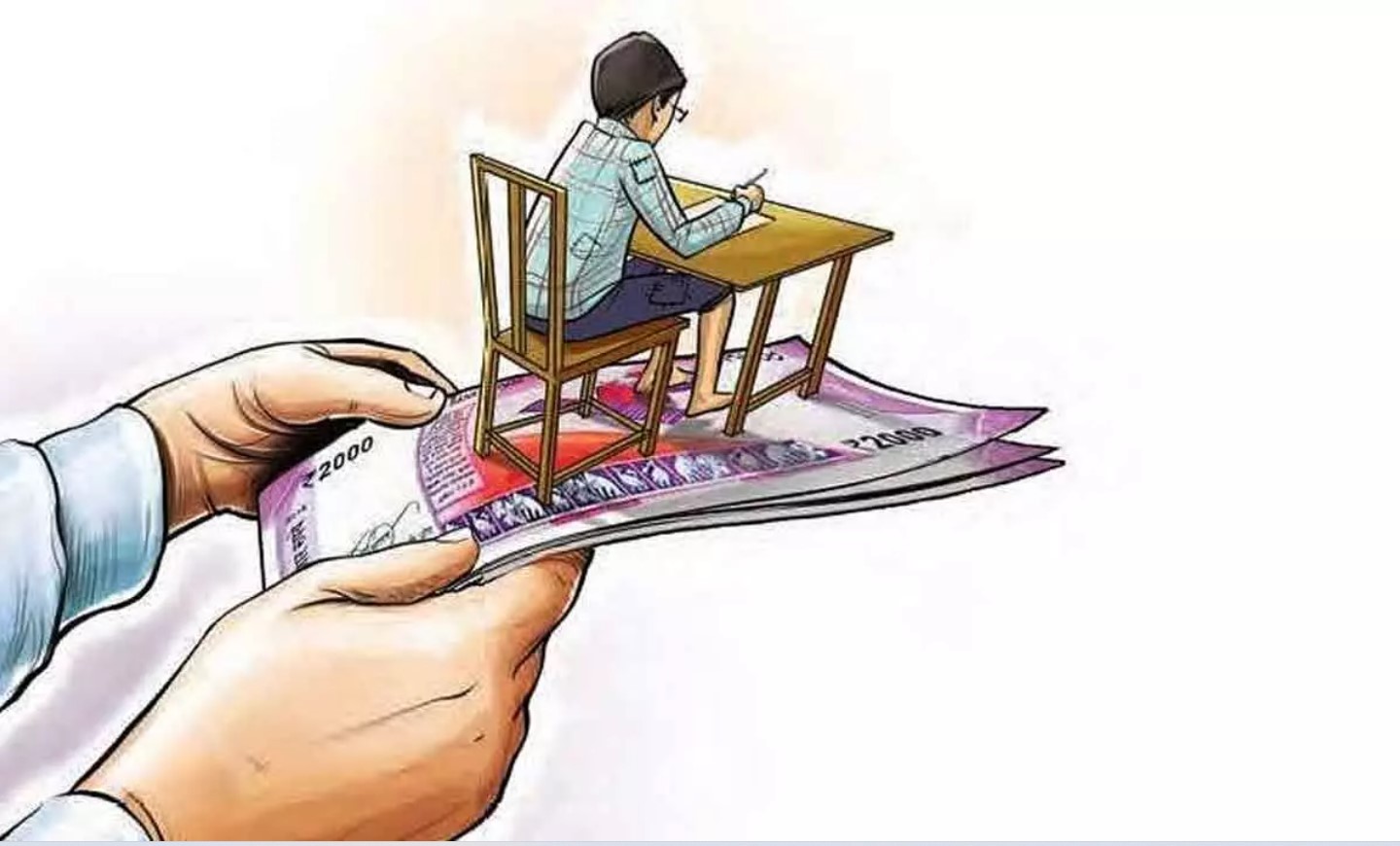
WITH the Eswatini Electricity Company (EEC) proposing an electricity tariff hike, some headteachers warn that school fees may have to be adjusted to meet the rising costs.
This was part of submissions made by consumers during a consultative meeting hosted by the Eswatini Energy Regulatory Authority (ESERA) following an application by EEC to hike electricity tariffs by 20.67%. The meeting heated up when consumers voiced out their frustration as they foresaw an unworkable situation in the near future.
When making her submission, Enjabulweni Primary School Headteacher Simangele Somntwana Mtetwa reflected on the negative impact the tariff hike would have on schools.
Mtetwa said schools were already struggling to manage electricity usage.
She said the situation was worsened by the fixed charges which were effected to schools, in a similar way that businesses were charged.
Mtetwa wondered why schools were treated as businesses whereas they were not making any profit.
Having noted that the financial challenges that would be caused by the tariff hike, Mtetwa said this would backfire on parents who would be expected to pay more for electricity.
“Primary schools will be left in the dark, while high schools will have to hike fees in order to contain these tariffs,” she said.
The headteacher was echoed by Malindza High School headteacher, Thulasizwe Zwane who highlighted that the general populace was already struggling to afford electricity.
“In all honesty, we cannot afford even 1% of the tariffs hike. The proposed tariff hike will leave us completely grounded,” he said.
Adding, Zwane advised EEC to consider pausing the expansion of network coverage. Zwane wondered if the continued expansion of network did not add to the heavy burden that the electricity company already had.
On another note, Good Shepherd High School Deputy Headteacher Musa Sifundza challenged ESERA and EEC to find more alternative ways of generating electricity.
Sifundza referred to reports suggesting that South Africa, from which the country imported a larger fraction of electricity, might eventually cut the supply due to its local demand.

He noted that if this eventually happened, the kingdom might be in a crisis in terms of electricity supply as a basic commodity.
Sifundza therefore urged EEC to explore more options to generate electricity locally, something which would also reduce the costs of importing electricity.
‘Rural churches suffocated by fixed charges’
THE issue of fixed charges is not only affecting schools and other non-profit organisations, but churches in rural communities have also cried foul.
Mavis Dlamini of Sitsatsaweni said the fixed charges for churches were an additional burden to the already expensive electricity.
Having heard of a lifeline system which applied only to low earners and users of electricity, Dlamini asked the management of EEC to consider including small churches in rural communities as beneficiaries of the system.
This was after EEC Managing Director Ernest Mkhonta spoke about a system which allowed consumers who spent very low units to buy them at a lower cost.
READ MORE | EEC tariff increase unjustified – FESBC
Mkhonta said the system usually benefitted the elderly in the rural communities.
When stressing her point, Dlamini said rural churches rarely used more than 10 units per month.
“We are not the same as those churches in cities where they even have ATM machines inside the church. Our churches are very small, and we are not making any profits here,” she said.
We can’t cut off fixed charges abruptly – EEC
When responding to some of the submissions, EEC Consumer Services James Mabundza said cutting fixed charges abruptly could land the company in a greater deficit, thus compelling them to demand more from consumers.
Mabundza said the company was making efforts to gradually reduce the fixed charges that businesses and other entities were subjected to.
He stated that, for instance, a reduction of 4% was effected on the fixed charges last year.
Mabundza said it would be impractical for the company to abruptly cut off the fixed charges at once.
He stated that these charges went a long way in mitigating the costs of service.
On the issue of churches, Mabundza said the company was currently formulating a strategy to find a balance between churches that use very little amounts of electricity and those that use industrial amounts.
He said the company was engaging the regulatory authority ESERA on this particular issue and others.