


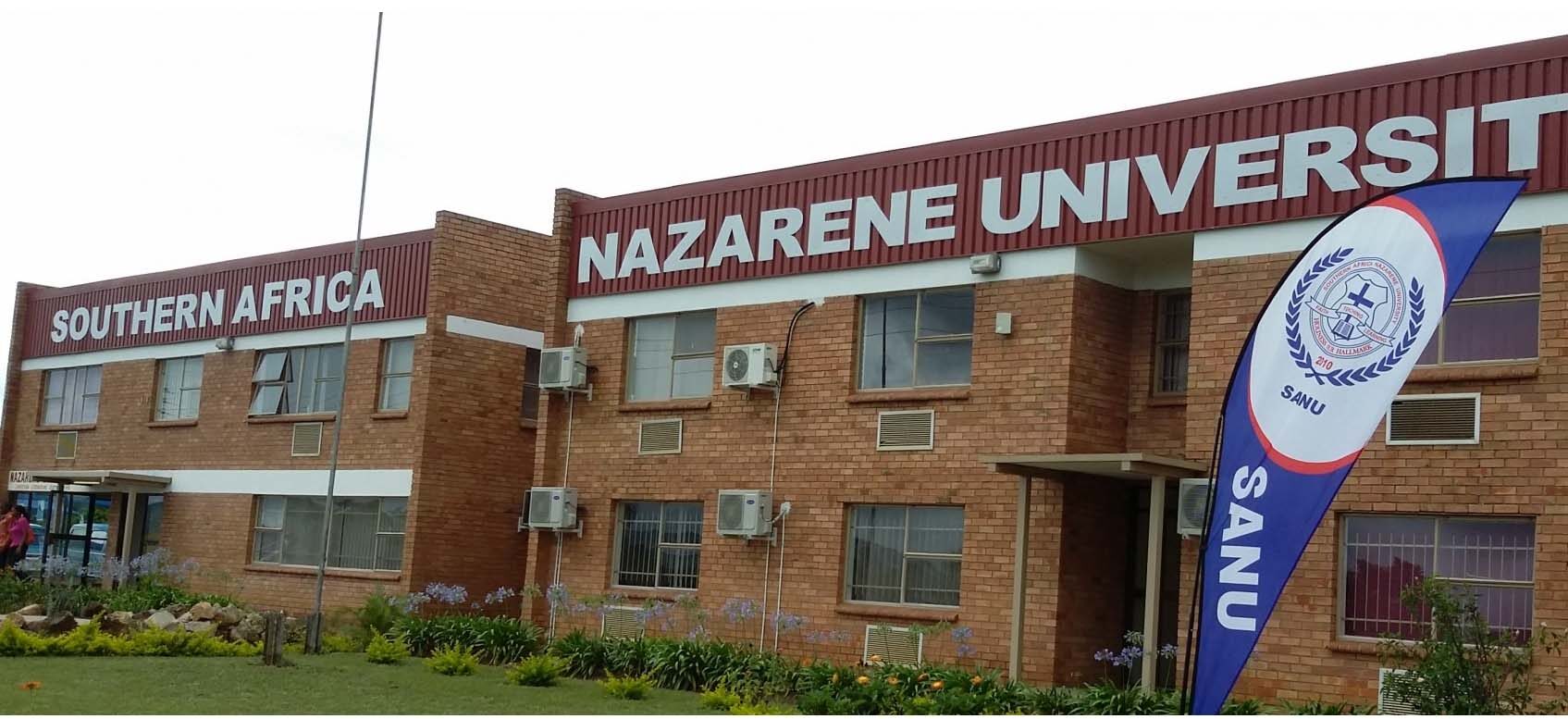
NEGOTIATIONS between Southern African Nazarene University (SANU) management and the workers’ unions have collapsed once again, with parties failing to reach consensus over the contentious no-work-no-pay principle.
The stalemate comes as employees, represented by the Swaziland Health Institutions and Allied Workers Union (SHIAWU) and the National Workers Union of Swaziland Higher Institutions (NAWUSHI), continue to protest SANU’s failure to implement the cost-of-living adjustment (CoLA) since 2022 and the non-remittance of pension contributions dating back to 2023.
SHIAWU claims that about E11 million in pension contributions remain outstanding, impacting both current employees and retirees.
SANU Registrar Sipho Mhlanga confirmed that negotiations held on Tuesday at the university had collapsed. He explained that SANU had offered a 2% CoLA for the 2023/24 financial year, including 12 months’ back pay, and a 2% adjustment for 2024/25, also with back pay.
During discussions, the parties negotiated the 2024/25 adjustment down to 1.5%, with the remaining 0.5% to be paid by the end of June. Mhlanga said the unions agreed to this arrangement, with the understanding that if the balance could not be paid, SANU would revisit the issue through further negotiations.
However, new disputes emerged regarding pension contributions. Mhlanga revealed that the total outstanding pension payments, estimated at E20 million, were beyond the institution’s current capacity.
He said SANU requested an extension until June to settle the contributions, but the unions were dissatisfied, even though they ultimately accepted the offer.
ALSO READ: 13.61% Tariff Unfair on Economically Marginalised Emaswati, Businesses
The final stumbling block was the no-work-no-pay principle. Mhlanga stated that prior to the industrial action, the university had informed employees that this principle would apply.
He said during the negotiations, the unions insisted on full payment for January salaries even though staff did not work for much of the period.
The university proposed a compromise of paying 50% of salaries alongside the agreed CoLA, with the balance to follow later, but the offer was rejected.
“Negotiations ultimately collapsed because no agreement could be reached on the no-work-no-pay rule,” Mhlanga said, highlighting the additional challenge posed by students idling at home and unable to continue with their studies.
He said the university had engaged the Student Representative Council (SRC) to appeal for patience while efforts to resolve the dispute continue. SANU has also adjusted its academic calendar to accommodate disrupted semesters resulting from the ongoing strike.
NAWUSHI acting President Jomo Thwala confirmed the breakdown, stating that during the negotiations, unions demanded pension payments if the university enforced the no-work-no-pay rule — a request SANU declined.
Thwala added that the “last round” of negotiations is scheduled for tomorrow.
Meanwhile, this was not the first time the unions rejected SANU’s offers. Most recently, a 3% CoLA proposal was turned down. The offer included 1% for 2023/24 and 2% for 2024/25, both with 12 months’ back pay to be paid over staggered periods.
Workers demanded a minimum 6% CoLA, suggesting either a split of 3% per year or a 5% adjustment. Their initial demand had been 7%, citing prolonged delays in salary adjustments amid rising living costs.