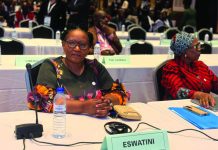



ESWATINI BANK Managing Director Nozizwe Mulela has called for stronger leadership and better immigration systems to address the growing tensions over illegal immigrants in South Africa.
She said African countries should welcome one another while ensuring that immigration laws are respected.
The MD and member of the Zulu royal family made the remarks during an interview on Fixing the Nation, a programme aired on NTV Kenya on Friday while she is in Nairobi for women empowerment engagements.
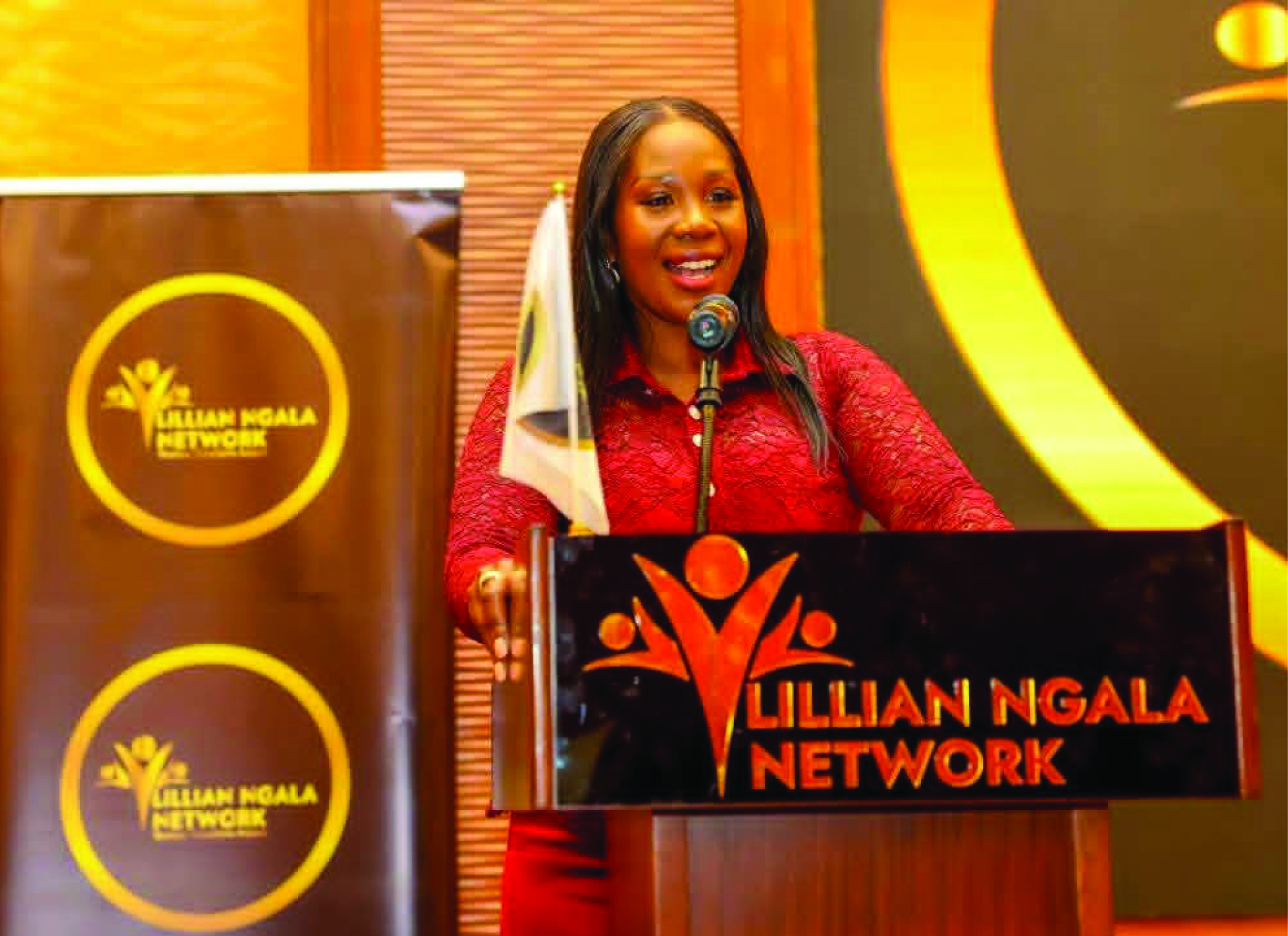
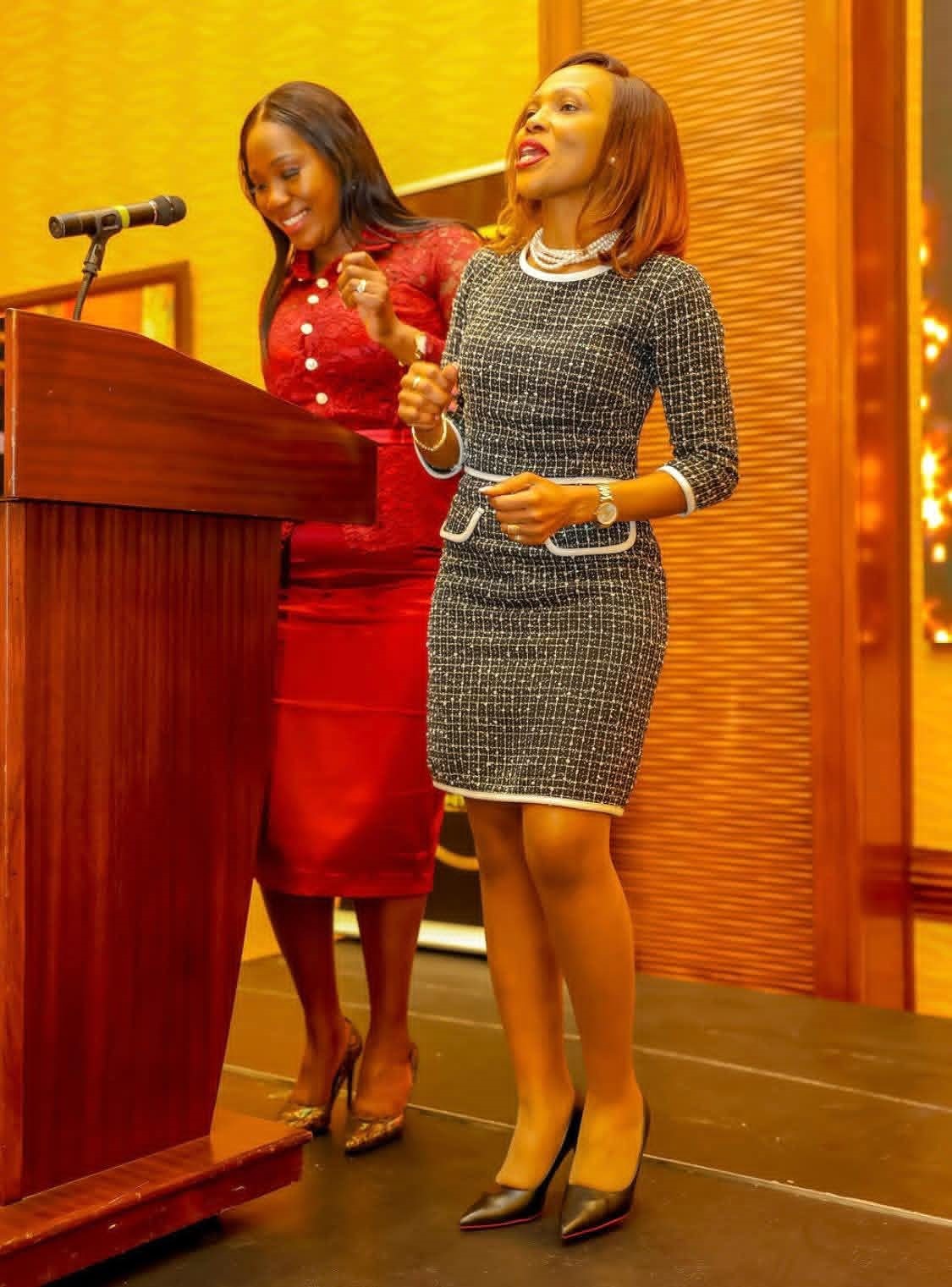
During her visit, she is expected to participate in activities hosted by the Lillian Ngala Foundation, a Kenyan organisation that supports vulnerable children through education, healthcare, vocational training and youth empowerment programmes.
Responding to a question about anti-immigrant protests in South Africa, after the programme’s host recounted the experience of a Kenyan woman who had lived in KwaZulu-Natal for 15 years before returning home, Mulela said Africans should coexist peacefully. “We are Africans, let us welcome each other and be together, but let us also do what is right to live happily together,” she said.
When asked to explain what she meant by ‘doing the right thing’, Mulela said every country has laws governing entry and residence, which should be respected. “The issue, as I understand it, is about being in a space illegally because there are rules and regulations in every structure.
“I do not see a problem with us being everywhere and anywhere, but I am here legally and that is how it should be,” she said. The MD stressed that Africans should not resort to violence or chase one another from their countries. “We do not want to fight and chase each other. We are one people, but because we have borders for now as well as rules and regulations on how one gets into the other country, let us stick to that,” she added.
Mulela, however, argued that governments also bear responsibility for the situation, saying authorities should improve immigration systems and ensure people can obtain the necessary documentation more efficiently.
“I think governments have to do better. Maybe certain things were not done at the right time to ensure that people are able to access the right documentation or that the process is easier. Government needs to do better in improving the situation so that people do not get to the state where they are now whereby it now looks like we are fighting each other,” she emphasised.
She further urged governments to revisit their policies and take the lead in resolving the crisis. Dr Mulela also maintained that the current tensions could still be reversed if African leaders acted decisively.
“I think leaders need to do what they have to do to fix the problem. People took the law into their own hands because they were frustrated, but the leadership has to come to the party, be proactive and not wait until things get to this point,” she said.
The MD added that African leaders should work together to find practical ways of allowing people to live and work across the continent lawfully.
On the economic drivers of xenophobia, Mulela said perceptions that foreigners were taking jobs and business opportunities contributed to tensions. She suggested that governments should empower local entrepreneurs while ensuring financial institutions provide greater support to small businesses.
“Maybe we need to empower our people a lot more and allow them to do the businesses they should be doing. There are certain businesses that maybe should be given to the locals so that they are able to grow. Banks also have an important role in supporting small businesses and empowering people,” she said.
Mulela grateful for royal life balance
BEING allowed to continue pursuing her career, instead of becoming a full-time stay-at-home royal wife was one of Nozizwe Mulela’s biggest surprises after marrying Zulu monarch King Misuzulu kaZwelithini.
This was revealed by Mulela during an interview with NTV Kenya last Friday. She said she had feared that marriage into the Zulu royal family would require her to give up her professional life, but instead she has been able to balance her work with her royal responsibilities.
Mulela described balancing the demands of being a modern working woman and a royal wife as challenging, saying it requires careful management of both responsibilities.
“It is heavy. It is difficult to balance the two because you need to balance work while also being a royal wife,” she said.
Mulela also revealed that her relationship with King Misuzulu began long before he ascended the Zulu throne. She said they were already in a relationship while he was still a prince and only married after he became king. She explained that this has generally been how the king entered into all his marriages.
She said this after had been asked by the hosts how the Zulu king chose his wives.
“With me, I had a relationship with him when he was still a prince. We then got married after he became king. That is how he has been doing it; getting into relationships and then getting married,” she said.
She added that although some people believe Zulu kings traditionally choose wives during the Umhlanga Reed Dance, King Misuzulu has not done so yet.
Reflecting on the beginning of their relationship, Mulela said her Christian parents were initially shocked by the prospect of her dating a prince who was likely to practice polygamy.
“They were shocked. But issues of the heart are something else. I also had a debate in my head before the relationship started. Maybe my parents thought the relationship was a phase and that I would probably get over it,” she said. She said the decision to marry came as an even greater surprise to her extended family.
Mulela credited her ability to navigate the demands of royal life to the values she has upheld throughout her life. “I respect, I am humble and I love. As a Christian, traditional woman, leader and wife, the values are the same in all the different spaces and I think that is what keeps me together,” she said.
Despite the demands of royal life, Mulela said being a royal wife has provided her with an opportunity to pursue causes that are close to her heart, particularly youth empowerment and education. She acknowledged, however, that expressing opinions within a traditional leadership structure requires tact.
“As a modern woman, I have to mind how I get my opinions across in the traditional setting,” she said. On whether women have a voice within traditional institutions, Mulela said women wield significant influence, although much of it happens away from public view.
“Women have so much power in traditional structures. It is just that it cannot be seen in the forefront because everything happens behind the scenes. In traditional structures, it is how a woman brings her point forward,” she said.
Comparing Zulu and Swati traditions, Mulela said she experienced little difficulty adapting because the two cultures share many customs and values.