



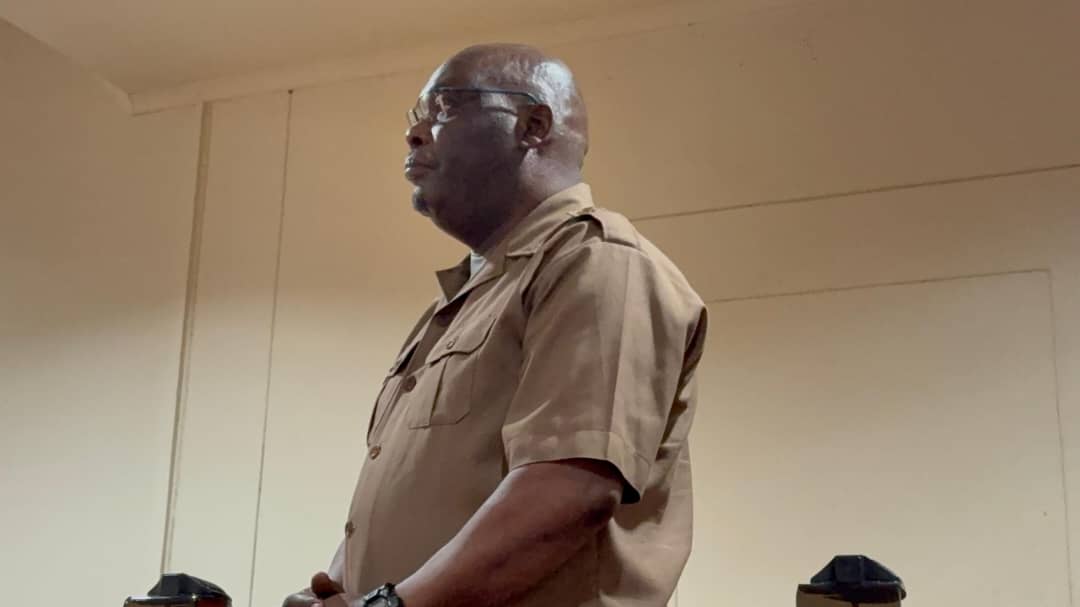
The Supreme Court has granted Alpheous Mfana Nxumalo condonation for the late filing of his appeal record in a legal challenge against the constitutionality of the Sexual Offences and Domestic Violence Act of 2018.
The decision clears the way for Nxumalo’s appeal to proceed, after the court accepted that the 13-day delay in filing the record resulted from an error by his attorney, who mistakenly believed that court deadlines stopped running during the judicial recess.
Nxumalo is represented by Khumbulani Professor Msibi.
In a judgment delivered by Justice Mbutfo Mamba, the Supreme Court ruled that the delay was not excessive and that the constitutional questions raised in the appeal were of national importance.
The court further ordered that an application by the director of public prosecutions (DPP) and deputy prime minister to have the appeal declared abandoned be struck off the roll. However, Nxumalo was ordered to pay 75% of the costs incurred by the DPM and attorney general in opposing the condonation application. The matter stems from an application Nxumalo instituted in the High Court, where he sought among other relief, an order declaring the Sexual Offences and Domestic Violence Act No. 15 of 2018 null and void.
The application was heard by a full bench of the High Court, which unanimously dismissed it in its entirety in a judgment delivered on December 10, 2025. Dissatisfied with the outcome, Nxumalo filed and served his notice and grounds of appeal on December 15, 2025, raising no fewer than 11 grounds of appeal.
However, he failed to file the record of appeal within the 40-day period prescribed by Rule 36(1) of the Supreme Court Rules. According to the judgment, the deadline expired on February 13 without the record having been filed.
Nxumalo subsequently filed an application for condonation on March 5, seeking the court’s permission to accept the late filing. The application was opposed by the DPM and attorney general, who through their attorneys, had written to Nxumalo’s legal representatives on March 4 notifying them of their failure to comply with the court rules.
In the letter, the respondents indicated that they intended approaching the court to have the appeal declared abandoned and struck off the roll. The judge further explained that Rule 36(5) provides that where an appellant fails to submit the record for certification within the prescribed 40-day period, the appeal is deemed to have been abandoned and must be struck off the roll. However, the court found that the circumstances surrounding Nxumalo’s failure to comply with the deadline warranted condonation.
Justice Mamba said he would not determine the actual merits of the constitutional challenge at the condonation stage, as that responsibility rested with the full bench that would eventually hear the appeal.
He nevertheless observed that the grounds of appeal did not suggest that the matter was hopeless or an exercise in futility. The court also considered that Nxumalo had filed the condonation application shortly after being alerted to the default by the respondents’ attorneys.
Furthermore, the judge noted that the record had been filed with the Registrar on March 5 although it was only served on the respondents’ attorneys on March 25. The court acknowledged that no explanation had been provided for the difference between the filing and service dates.
Justice Mamba highlighted that the constitutional issues raised by Nxumalo were matters of public interest because they concerned the validity and provisions of legislation dealing with sexual offences and domestic violence. He observed that sexual offences and gender-based violence remained a major challenge in society.
He consequently condoned the late filing of the record of appeal on March 5. The application by the respondents to have the appeal declared abandoned was struck off the roll.
The DPM and attorney general were awarded only 75% of their costs.