



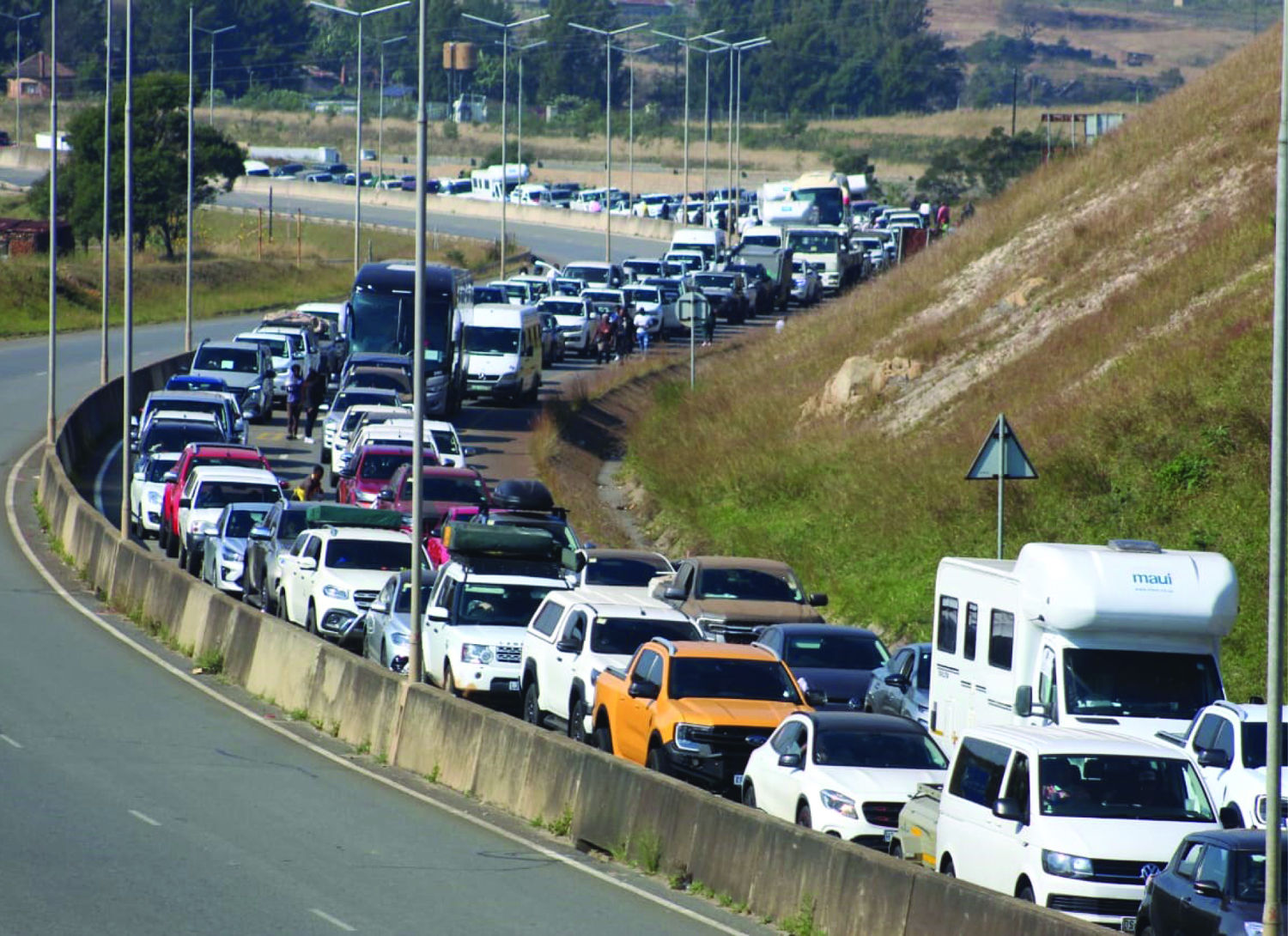
OFFICIAL reports from the ministry of home affairs indicate that the country recorded 26,774 arrivals between Thursday and Friday last week.
The impressive turnout was largely driven by the 19th edition of the now globally acclaimed MTN Bushfire Festival. Of the more than 26,000 arrivals recorded, Ngwenya Border Post registered the highest traffic volume, handling 12,517 arrivals over the two-day period. Meanwhile, 32 aircraft landed at King Mswati III International Airport, further demonstrating sustained international interest in both the festival and Eswatini as a destination.
THE ECONOMIC WEIGHT OF BUSHFIRE
The significance of these numbers extends far beyond tourism statistics. The festival itself is estimated to generate an economic impact of approximately E121 million annually, making it not merely a privately convened gathering, but an event of national, regional and international importance.
MTN Bushfire is one of the country’s most recognisable global brands. It supports tourism, hospitality, retail, transport and the broader services sector, while projecting the country’s image onto the international stage.
Every visitor contributes to economic activity that extends well beyond the festival grounds.
This year’s event took place from May 29 to 31, with final performances concluding at 9pm on Sunday evening. As expected, a substantial number of the more than 26,000 international visitors had already made arrangements to return the following day, Monday.
A BORDER BOTTLENECK
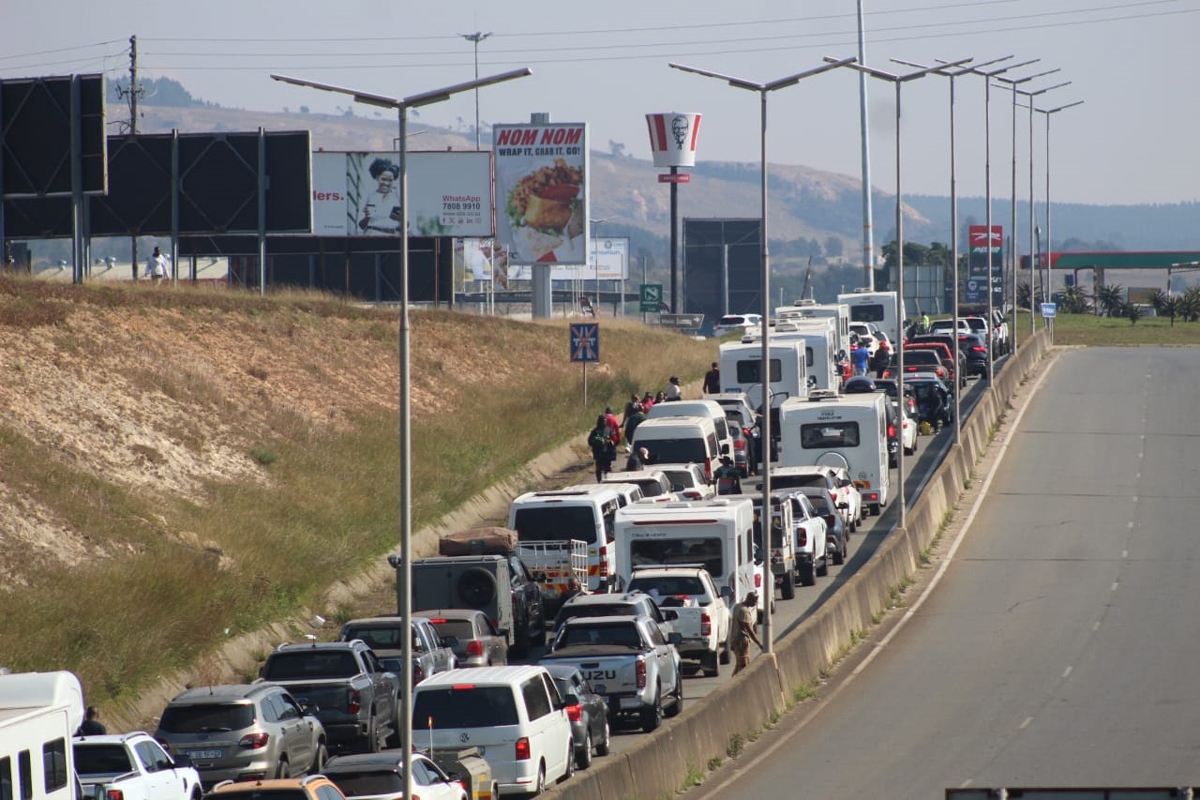
Unfortunately, what should have been a routine departure day turned into a serious logistical nightmare. For travellers, businesses and border agencies alike, Monday became a day of frustration and uncertainty as a new border management system came into effect, coinciding with one of the busiest travel periods on the calendar. The result was widely seen as entirely avoidable.
The newly introduced Border Management System by the South African Revenue Service (SARS) requires travellers to comply with additional customs and travel declaration requirements when entering or leaving South Africa, including declarations relating to foreign-registered vehicles, goods and prescribed traveller information.
Mass media widely reported unprecedented congestion at the Ngwenya-Oshoek Border Post. Thousands of travellers were stranded in long queues, many expressing frustration to the point of regretting their visit to Eswatini.
A CRISIS THAT COULD HAVE BEEN PREVENTED
The scenes left one unavoidable question: could this have been prevented? From a stakeholder and regional cooperation perspective, the answer is almost certainly yes.
Historical records show MTN Bushfire consistently attracts large numbers of visitors from neighbouring countries and beyond. The resulting concentration at Ngwenya Border Post is a predictable annual feature. Managing it requires strong coordination among agencies on both sides of the border.
It is therefore difficult to understand how planning processes failed to anticipate the challenge created by introducing a new system at the exact moment thousands were expected to cross.
The issue is not the system itself. Modernisation and improved border management are legitimate objectives. The concern is timing. With festival dates known a year in advance, launching a major border intervention during peak travel appears a serious miscalculation.
THE COST OF WORKING IN SILOS
This reflects a wider challenge affecting national and regional development: stakeholders often operate in isolation, even where coordination would clearly benefit everyone.
The festival calendar was known well in advance, allowing time for engagement between Eswatini and South African authorities, customs agencies, tourism bodies and organisers. A simple adjustment of timing could have made a major difference.
Had the system been introduced days later, around June 3, authorities would still have achieved policy objectives while allowing Bushfire-related travel to pass under established procedures. Public awareness efforts could have continued without pressure from peak traffic.
Some visitors who faced long delays may think twice about returning. Even a small drop in attendance would represent a loss. Every visitor supports accommodation, transport, retail and tourism-linked services.
BEYOND FESTIVAL TRAVELLERS
This is about how an economy can be affected when major systems are introduced without sufficient consideration of timing and broader economic activity.
The disruption also affected businesses relying on Ngwenya as a trade and logistics corridor. Commercial operators and service providers experienced delays and financial losses that are unlikely to be fully captured.
At this stage, there is little value in assigning blame. The damage has been done. What matters now is learning from the experience.
The incident casts an unnecessary shadow over what was otherwise a successful international festival and reflects poorly on institutions responsible for cross-border movement.
When regulations are introduced without coordination, it creates the impression that policy is being pursued without sufficient regard for tourism flows, supply chains and economic realities.
The government has consistently supported MTN Bushfire and the country’s tourism sector. It is therefore reasonable to expect that policy decisions consider their impact on nationally significant events.
REGIONAL INTEGRATION PUT TO THE TEST
Cross-border logistics should by now be among the least of our concerns as a region.
Yet the reality is different. Instead of seamless movement, travellers and businesses face increasing administrative requirements and procedural delays that make regional integration feel distant. This raises important questions about the practical implementation of regional aspirations.
For decades, Southern African countries have spoken about regional integration and free movement of people and goods. Similar commitments exist across the continent.
However, incidents such as Ngwenya-Oshoek suggest these ambitions remain, at times, more theoretical than practical.
CONNECTING THE DOTS BEFORE THE NEXT CRISIS
The new border management system will continue to generate discussion around traveller readiness, digital compliance and coordination at ports such as Ngwenya-Oshoek.
As regional mobility grows, stakeholders will need to assess how such systems perform under pressure and what measures are required to support smoother movement.
A festival contributing E121 million to the economy, attracting thousands of international visitors and projecting Eswatini globally should not be compromised by avoidable administrative shortcomings.
Here is the lesson in all of this. National and regional cooperation must be central to policy design and implementation. When agencies connect the dots, everyone benefits. When they do not, even strong economic opportunities can be placed at risk.
For a festival of Bushfire’s stature and value, that is a risk the country cannot afford.