



EMASWATI may soon use movable assets as collateral for loans as work progresses on a national roadmap to establish a Movable Collateral Registry.
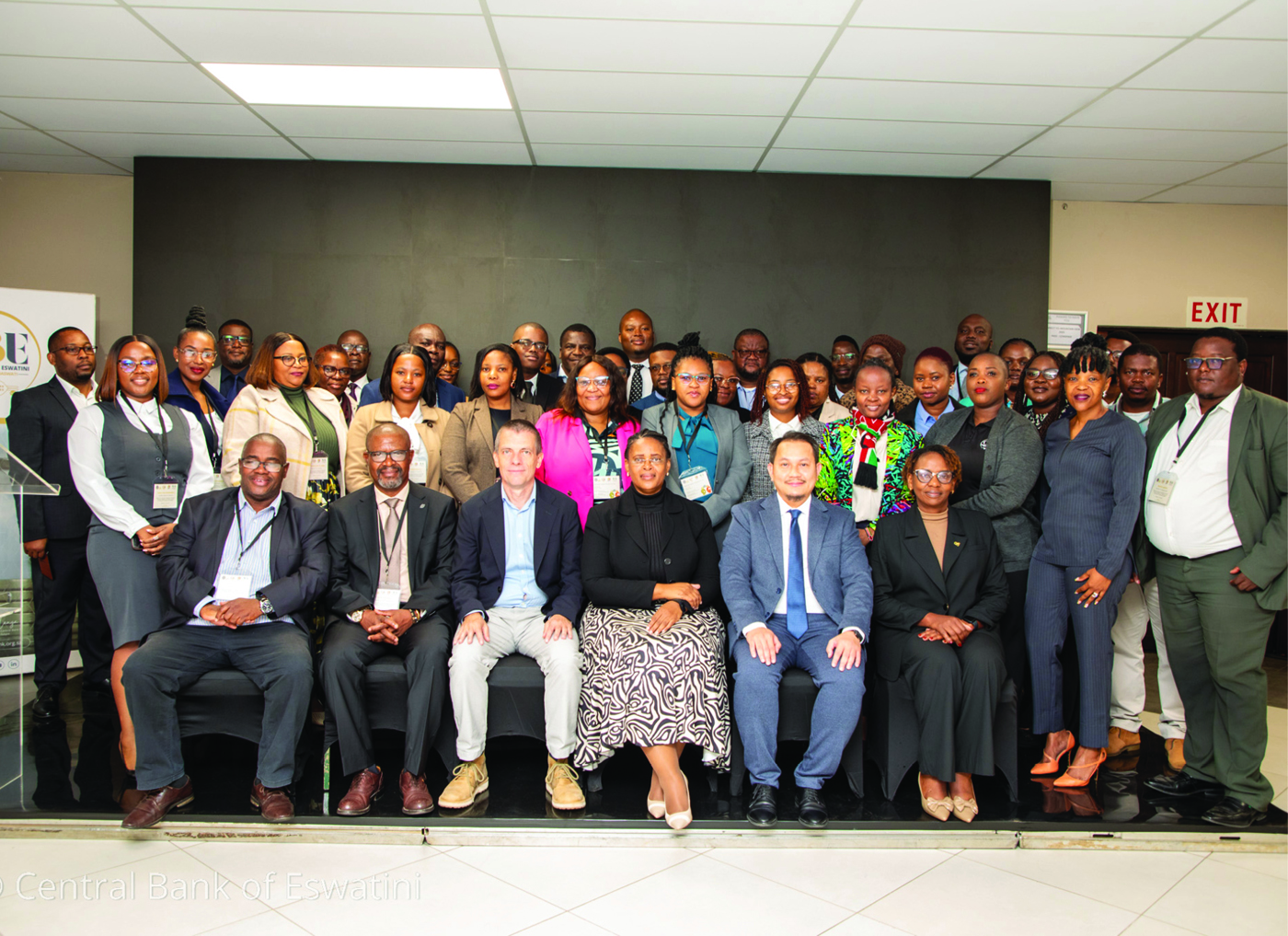
The Central Bank of Eswatini (CBE) in partnership with the Alliance for Financial Inclusion (AFI) hosted a workshop with commercial banks, micro-lenders and government ministries to advance this reform, held at the CBE Headquarters at Ezulwini yesterday.
Stakeholders from Ghana, Zambia and Zimbabwe also shared their insights on the subject matter.
CBE Financial Regulation Director Lungile Dlamini noted that lack of or limited collateral remains a key barrier to finance especially for women-led micro, small and medium enterprises (MSMEs).
She explained that while the financial system relies heavily on immovable and fixed assets like land and buildings, many entrepreneurs hold movable assets such as machinery, vehicles, inventory, livestock, crops, receivables and intellectual property which are not fully recognised.
She said the proposed Movable Collateral Registry was therefore not just a technical reform. She described it as an important step towards promoting fairness, improving efficiency and unlocking economic potential.
CBE is expanding access to loans by leveraging the country’s movable collateral registry system, a reform designed to help individuals and small businesses secure credit using movable assets instead of traditional fixed property like land or buildings.
“Guided and anchored in the National Financial Inclusion Strategy 2023–2028 and the Gender Inclusive Finance Roadmap, the initiative aims to expand inclusive access to credit and strengthen participation in the economy.
ALSO READ | Govt to incentivise TaxCore invoicing adherence
To our colleagues from Ghana, Zambia and Zimbabwe, we look forward to learning from your experiences as we consider how best to adapt these lessons to our own context and begin shaping a practical pathway for the country,” Dlamini said.
At its core, she said the initiative addressed a simple yet critical question; how to make the financial system more effective and inclusive for the people and businesses it is intended to serve, particularly women who have historically been disadvantaged?
Over the past year, she said CBE took a closer look at access to finance for local women-led MSMEs.
In collaboration with the Centre for Financial Inclusion and other relevant stakeholders, she said the bank conducted a case study which confirmed what many have observed in practice; women play a central role in our economy and own approximately 60% of MSMEs in the country.
However, she said significant challenges remained. She said approximately 74% of firms with a female top manager identified access to finance as a major constraint, and only about 10% of MSMEs can secure formal financing.
Cited as one of the key barriers is the lack of adequate collateral to access credit, she said the financial system continued to rely heavily on immovable assets such as land and buildings.
Yet many women entrepreneurs and low-income individuals do not own such assets.
“In many jurisdictions, Movable Collateral Registry provides these assets with legal recognition as collateral, effectively transforming everyday productive assets into instruments for accessing finance particularly for women,” added Dlamini.
In other jurisdictions including Eswatini, she said many of the assets mentioned above were not fully recognised within their financial system.
The issue therefore is not the lack of assets, but rather a system that has yet to adequately recognise and accommodate these movable assets as collateral for access to credit, hence the establishment of the Movable Collateral Registry.
She further stated that the Movable Collateral Registry was about expanding opportunities and enabling more businesses to participate meaningfully in the formal financial sector.
“Over the coming days, we will learn from the experiences of fellow member countries that have successfully implemented Movable Collateral Registry and have seen measurable increases in MSME credit following establishment of such kind of a structure,” said Dlamini.