

The month of March carries great significance in the calendar of national and global advocacy for women’s rights and gender equality, beginning with the women’s labour and peace movements of the early 1900s.
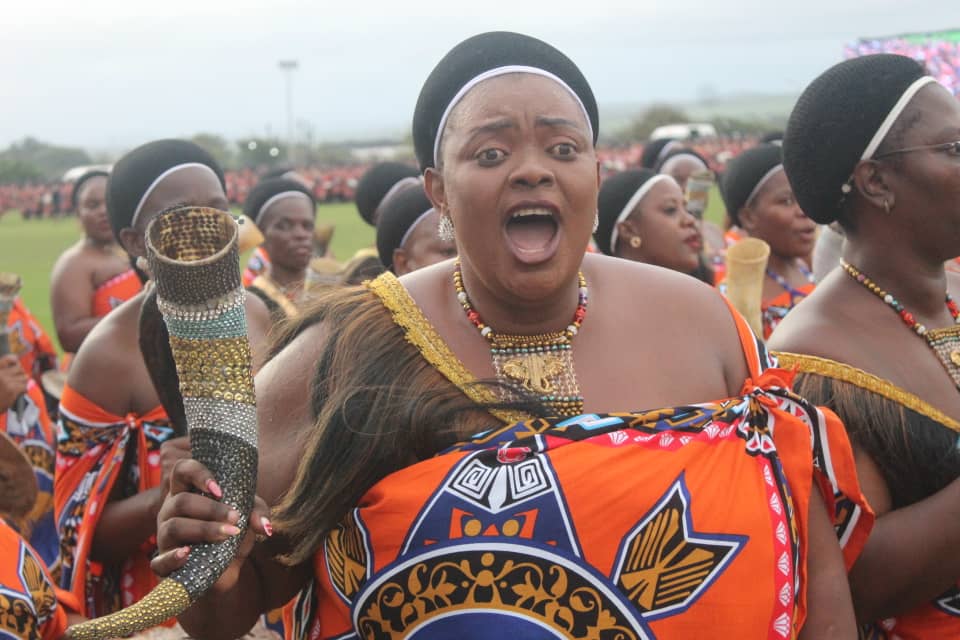
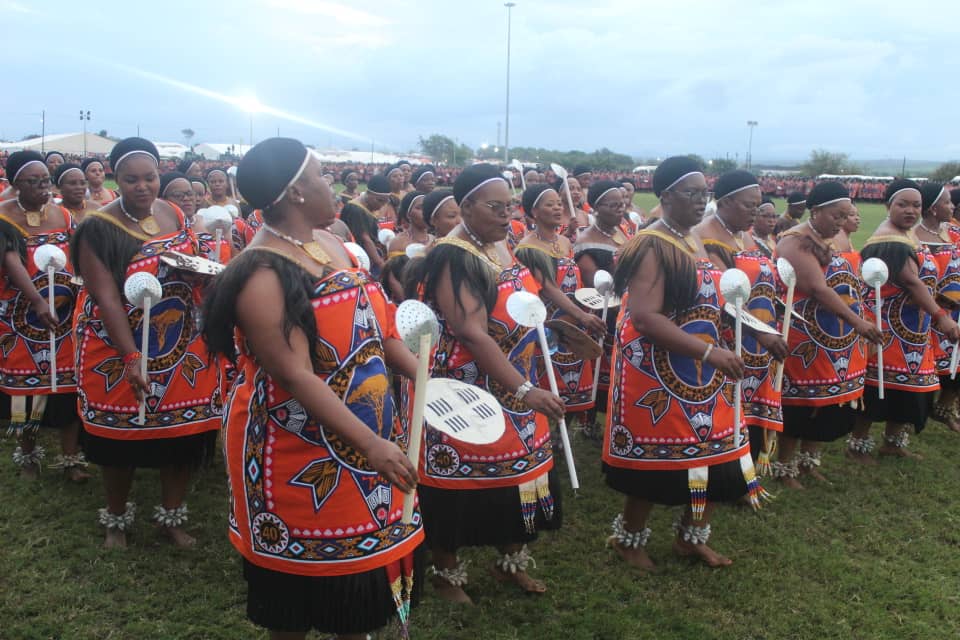
On March 11, I was privileged to join Eswatini’s commemoration of International Women’s Day (IWD), which is celebrated globally on March 8.
For two weeks every March, representatives of UN Member States, civil society organisations and UN entities gather at UN headquarters under the Commission on the Status of Women (CSW) to review progress and gaps in the implementation of the 1995 Beijing Declaration and Platform for Action, the key global policy document on gender equality.
The 2026 CSW is currently ongoing in New York.
Here in Eswatini, Lutsango Day adds a jewel to March’s crown.
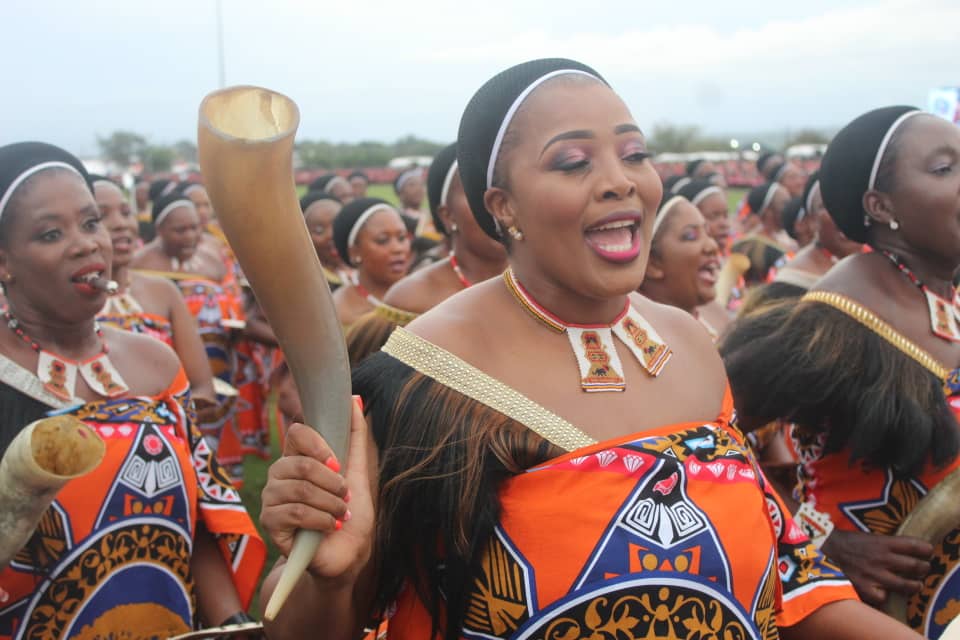
Commanded by His Majesty King Mswati III to honour the strength, unity, dignity and enduring contributions of Emaswati women, the day lends a uniquely powerful and grounded expression of national recognition and celebration of women and their power.
His Majesty’s declaration of Lutsango Day aligns with the 1977 resolution of the United Nations General Assembly, which invited Member States to “proclaim in accordance with their historical and national traditions and customs, any day of the year as United Nations Day for Women’s Rights and International Peace.”
At its core, Lutsango Day recognises the central role that women play as custodians of culture, values, identity, education and social continuity.
Lutsango Day also affirms women as a key pillar of all aspects of social, political and economic life.
TAKING STOCK OF THE GLOBAL REALITY
This year’s CSW focuses on ensuring and strengthening access to justice for all women and girls, including by promoting inclusive and equitable legal systems, eliminating discriminatory laws, policies and practices and addressing structural barriers.
Across the world, progress toward gender equality has been meaningful but uneven.
Women today have greater access to education, employment and public life than in previous generations. Yet the pace of change remains slower than global aspirations.
Globally, women represent just over 26% of parliamentarians and hold fewer than one in three managerial positions.
Women continue to earn, on average, about 20% less than men, while many remain excluded from equal access to land, finance, markets and digital opportunities.
As United Nations Secretary-General António Guterres has noted, women worldwide still enjoy only a portion of the legal rights available to men, with discriminatory laws and social norms continuing to limit women’s opportunities and participation.
In this year’s message for International Women’s Day, Guterres reminded the world that women hold only about two-thirds of the legal rights enjoyed by men.
Women continue to face legal discrimination in more than 40 countries where marital rape is not recognised as a crime, while other laws restrict women’s ability to pass citizenship to their children.
Across Africa, encouraging strides have been made in increasing women’s representation in politics.
However, women still hold around a quarter of parliamentary seats on average and remain underrepresented in senior political and economic decision-making roles.
WOMEN AT THE HEART OF ESWATINI’S FORWARD MARCH
Lutsango Day must serve to remind us that women’s strength, resilience and leadership have always been central to the life of the nation.
In Eswatini, women represent 50.4% of the population and the country has achieved near gender parity in educational attainment.
From agriculture and informal trade to emerging enterprises, public and private sector leadership and political representation, women contribute significantly to Eswatini’s progress.
Across homes, communities, institutions and the economy, Emaswati women support livelihoods, strengthen social cohesion, lead corporations and departments, and contribute to national progress, often under challenging circumstances and always with remarkable dedication.
Girls record higher completion rates than boys at both primary and lower secondary levels, reflecting sustained investments in education and human development.
Encouraging progress has also been made in women’s representation in Parliament following the most recent elections, bringing Eswatini closer to the 30% representation threshold and toward the SADC aspiration of parity.
His Majesty King Mswati III’s continued advocacy for greater participation of women in leadership has played an important role in advancing these gains.
Yet important challenges and structural barriers remain.
Women continue to face disproportionate levels of poverty and unemployment, while structural barriers limit their participation in economic and political life.
Gender inequality in Eswatini is shaped by disparities in access to assets, land and financial services, contributing to a high Gini coefficient of 54.6.
Despite their contributions to agriculture, the informal economy and household care, women continue to shoulder a disproportionate share of unpaid care work, limiting their ability to participate fully in the formal economy.
Addressing these structural barriers is therefore essential for unlocking Eswatini’s full human and economic potential.
GBV: A MARCH IN THE WRONG DIRECTION THAT WE MUST STOP
Gender-based violence (GBV) remains a blight in our society. It stands in direct contradiction to all our aspirations as a nation.
We must call it what it is: terror against our women and girls, the very people we celebrate this month.
Every day, our newspaper headlines carry stories of this horror. Many others go unreported.
Yet we have the means to change this unacceptable reality.
Lutsango Day reminds us of something I have come to treasure in Eswatini: the kingdom is a well-structured and ordered society, built on enduring values of inhlonipho (respect), unity, dignity, cohesion and pride in national identity.
At the head of this beautifully ordered society are Their Majesties.
In a society structured around discipline, respect and collective responsibility, Their Majesties’ word is a command to all regiments and society.
His Majesty has spoken clearly, consistently and repeatedly, calling on the nation to end violence against women and girls, most recently in this year’s Speech from the Throne.
What remains is for every Liswati to honour this command.
All our structures – traditional leadership, schools, churches, law enforcement, workplaces and municipalities – must align with this purpose.
The country’s inspired push against HIV/AIDS is admired worldwide.
The progress achieved was driven by leadership from the top, strong community mobilisation and effective partnerships.
We must do it again for our women and girls.
Respecting women and advancing their rights is a matter of justice.
It is also fundamental to our vision of a prosperous nation.
We must turn around and march in the right direction.
Happy Lutsango Day!