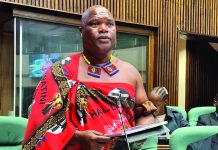
The Eswatini National Council of Arts and Culture (ENCAC) Chief Executive Officer Stanley Dlamini went live on the council’s official Facebook page on Tuesday afternoon, but viewers who had been promised an opportunity to raise their concerns were left without answers.
The broadcast, which started at 2:30pm, came a day after ENCAC invited creatives and members of the public to engage directly with Dlamini, encouraging them to bring forward questions and issues they wanted addressed.
“Got questions that need answers? Issues you want heard? Bring them along and join the conversation, this is your chance to speak directly with the CEO,” read part of the invitation posted on the council’s official Facebook page.
However, instead of responding to the questions posted by viewers, Dlamini delivered an address focusing on the importance of the National Arts and Culture Awards (NACA), the progress made following the regional competitions and the council’s mandate to position creatives for opportunities.
His address came amid growing concerns among some local creatives over the support they receive from the council, following allegations raised by local actress Phindile Maggie Ginindza regarding the treatment of artists who travelled to South Africa for filming on the popular television drama Isitha the Enemy.
Other creatives subsequently shared similar concerns about the assistance available to local artists.
During Tuesday’s broadcast, Facebook user Thabo Mkhabela directly raised the issue, asking: “What is your commentary on what was alleged about you and the group that was sent to Isitha?”
The question was among those viewers expected the CEO to address during the engagement. Instead, Dlamini outlined the council’s role in recommending artists for cultural exchange programmes and other development opportunities. He said the council ensured that artists selected for such programmes received support covering accommodation, travelling allowances, living allowances and meals.
“At no point have we sent an artist to a development programme without support,” he said.
For artists travelling abroad, getting an opportunity is only the beginning. They also need proper support to make the experience worthwhile.
In South Africa, the National Arts Council has funding arrangements for eligible artists invited to perform internationally. Applicants must clarify which costs will be covered, including accommodation, local transport and performance fees. Botswana has also demonstrated practical support. The Botswana Telecommunications Corporation contributed P30 000 (approximately E36 132) towards an artists’ exchange programme in Zimbabwe. The contribution covered transport, accommodation, meals and host-facility costs.
…Creatives want an indaba, not just a live
THE concerns surrounding the Eswatini National Council of Arts and Culture (ENCAC) go beyond individual experiences, with some creatives calling for more direct engagement and transparency from the council.
In the comments section of the council’s Facebook post announcing the live session, Welile Masuku-Nxumalo questioned whether a social media broadcast was an effective way of engaging artists, particularly those who might not have the time or resources to remain online while waiting for their concerns to be addressed.
She called for a face-to-face meeting between artists and the ministry responsible for arts and culture, saying creatives needed an opportunity to be heard.
“We are asking for an indaba for artists face to face with the arts and culture council where you will actually listen to hear, not to respond,” she wrote.
Masuku-Nxumalo also expressed concerns about the pace of development in the local creative industry, pointing to countries such as Botswana and Lesotho as examples she believes are making progress.
Meanwhile, Khulekani Mamba raised questions about the council’s management and accessibility of its resources.
He sought clarity on the policy governing the use of the council’s recently acquired sound system and mobile stage, questioning how artists and event organisers could access the equipment and what procedures they needed to follow.
His concerns come against the backdrop of the ministry of sport, culture and youth affairs’ second quarter performance report, which states that ENCAC supported 10 events with sound equipment and a mobile stage between June and September 2026.
The initiative required event organisers to demonstrate meaningful participation of local artists and creatives in their programmes.
The report further indicates that the programme supported the employment of 113 artists across eight of the listed events and programmes. The Shiselweni Day and NACA Festival recorded the highest number, with 19 artists employed, followed by Lubombo Fest with 18.
Although the report outlines the council’s efforts to make professional event infrastructure accessible, Mamba wants clarity on the practical process of accessing these resources.
He also questioned the council’s procurement practices, particularly how external service providers were selected for its activities.
Among other things, he wanted to know whether the council solicited quotations from different providers before awarding work or selected service providers without comparing the quality and cost of their services.