


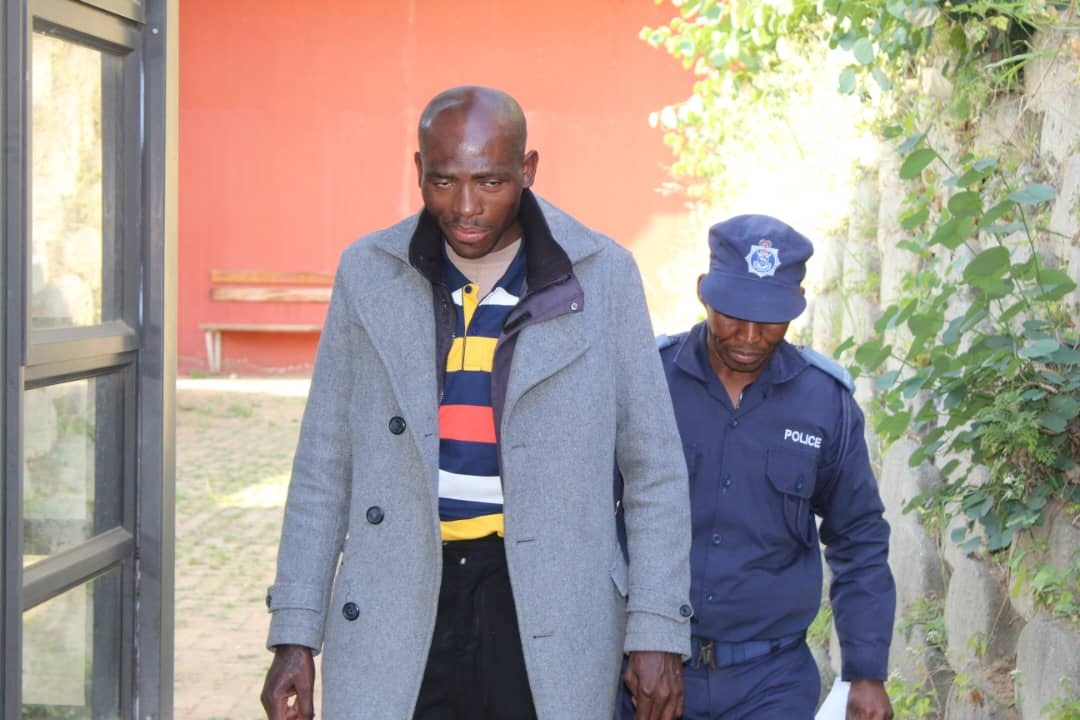
THE arrest of the pastor and alleged serial rapist, killer Nkosingiphile Zwane has sparked renewed calls for churches to stop protecting religious leaders accused of serious crimes and instead cooperate fully with law enforcement.
The appeal was made by SWAGAA Director Nonhlanhla Dlamini, who said the disturbing case should serve as a wake-up call for both churches and policymakers to strengthen accountability and safeguard communities.
Her remarks come after the pastor from the Apostolic Faith Church International, who also served as a community police, was arrested in connection with the alleged rape and murder of four women. The victims’ bodies were dumped in Mfabantfu, a case that has shocked the nation and raised concerns about trust in community and religious leaders.
Dlamini said while pastors are often viewed as moral leaders and protectors, they are still ordinary people who are capable of committing abuse and other serious offences.
“It is painful to see people who are expected to guide, protect and support communities become the very individuals who cause pain and suffering,” she said.
According to Dlamini, there have been instances where churches have defended or protected pastors even when allegations against them later proved to be true. She warned that such actions not only deny justice to victims, but also damage the credibility of religious institutions that many rely on for spiritual guidance and support.
She urged churches to adopt a zero-tolerance approach towards abuse, saying religious organisations should immediately report suspected criminal conduct to the relevant authorities rather than attempting to resolve such matters internally.
Dlamini further stressed that protecting alleged offenders sends the wrong message to victims and survivors, discouraging others from reporting abuse out of fear that they will not be believed or supported.
She also challenged lawmakers to strengthen measures aimed at protecting vulnerable people and ensuring that perpetrators are brought to justice without delay.
Dlamini said ending violence against women and girls requires a collective effort involving government, faith-based organisations, law enforcement agencies and communities.
She appealed to churches to stand with survivors rather than perpetrators, saying faith institutions have a responsibility to help create safe communities where abuse is exposed, condemned and dealt with through the justice system.
Conference of Churches condemns pastors’ criminal conduct
THE Eswatini Conference of Churches (ECC) has condemned reports linking some pastors to serious crimes, saying such acts are a betrayal of the trust people place in religious leaders and called for justice to be meted out fairly and without fear.
ECC Vice President Hamilton Malaza said the Conference was shocked and saddened by recent reports of pastors allegedly being involved in cases of suicide, rape and murder.
His remarks come amid growing public concern following the arrest of the pastor in connection with the alleged rape and murder of four women, a case that has sparked nationwide debate about accountability within religious institutions.
Malaza said pastors and other church leaders are expected to uphold the highest moral standards as they occupy positions of trust within society.
“Such individuals are expected to be above reproach, self-controlled and worthy of respect. When shepherds become wolves, the flock suffers and the credibility of the church is compromised,” he said.
“The Eswatini Conference of Churches condemns in the strongest possible terms all forms of sexual abuse, violence and any conduct that brings harm to others, regardless of who commits such acts. The incidents point to a deeper spiritual and moral crisis that requires urgent attention from both the church and society at large.
“We stand in solidarity with victims and their families and believe those responsible for criminal acts should face the full force of the law,” he said.
Malaza also urged pastors to recommit themselves to lives of holiness, integrity and accountability while taking care of their mental health.
He encouraged religious leaders not to suffer in silence, but seek help when facing emotional, psychological or spiritual challenges.
“We advise our pastors to return to holiness and credibility and to prioritise their mental health. Let us restore the altar of the Lord in our lives and churches,” he said.
Malaza stressed that the ECC has not remained silent on ethical issues affecting the church. He said, beyond weekly preaching, the organisation works closely with its member churches to strengthen leadership, ethics and governance through policies and ongoing guidance.
He further called on Christians to uphold biblical values and pursue justice whenever wrongdoing is uncovered.
While acknowledging that recent allegations have damaged public confidence, Malaza appealed to the nation not to lose faith in the church.
He said the church remains a source of hope for the country and welcomed public scrutiny, adding that religious institutions must continue to hold themselves accountable while working to restore trust through transparency, justice and principled leadership.