


A forensic investigation will be launched into the alleged disappearance of approximately E2.5 million from the Swaziland Lutsango LwakaNgwane Multi-purpose Cooperative.
This follows that the cooperative’s management and some committee members were allegedly linked to mismanagement of funds.
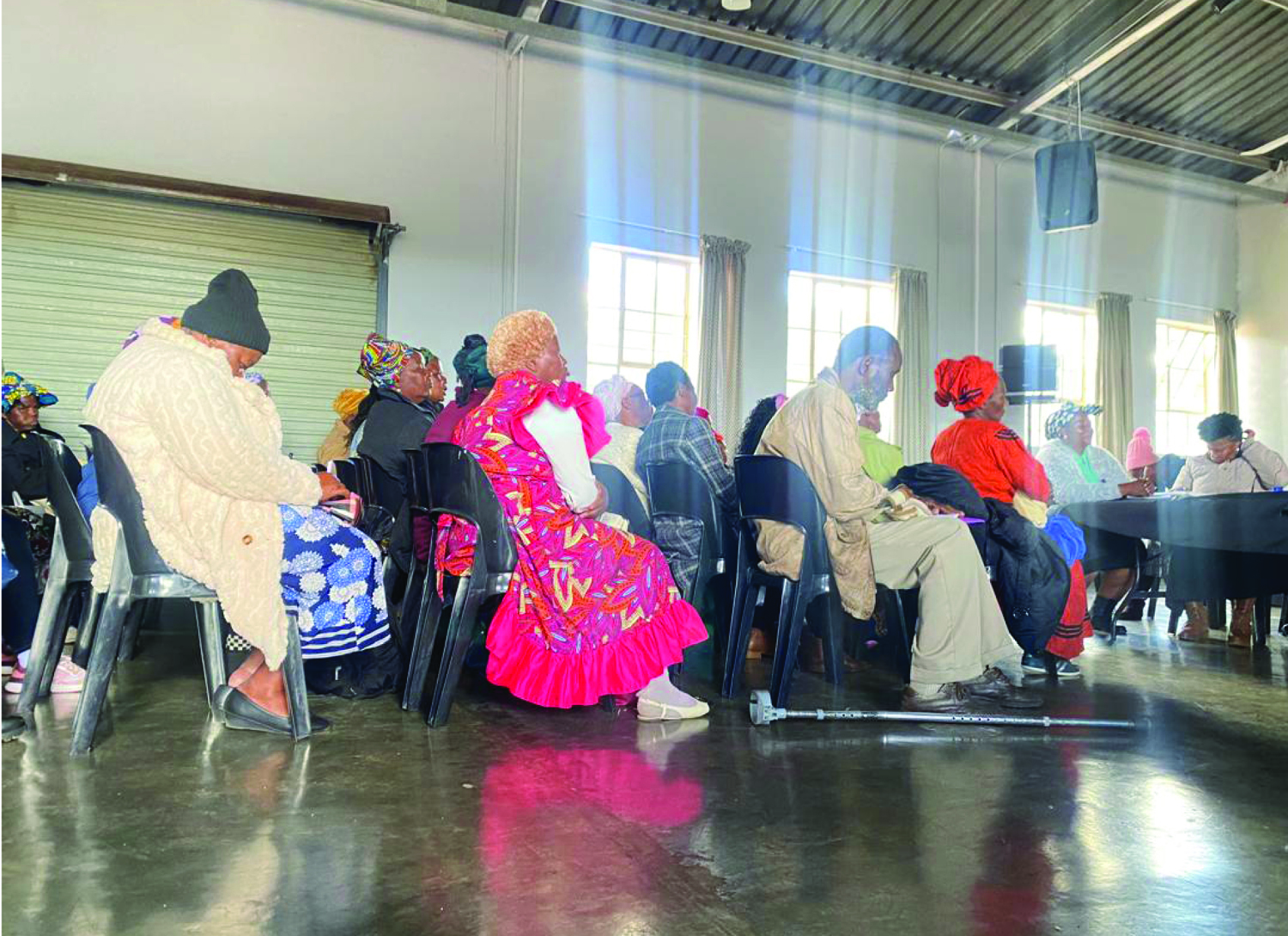
The resolution was reached during a meeting held at Liberty Centre in Manzini last Friday, where members confronted the cooperative’s leadership over the whereabouts of their savings and demanded answers about the organisation’s financial affairs.
Adding to members’ concerns, they were informed during the meeting that the cooperative currently has no money in its account, raising fresh questions about the whereabouts of their savings and the organisation’s ability to meet members’ claims.
The announcement heightened tensions at the meeting, with members demanding clarity on how the cooperative had reached a position where it could no longer access funds that had been entrusted to it.
The development comes more than a year after concerns over the cooperative’s financial position were first raised publicly, with the ministry of commerce, industry and trade confirming in January 2025 that an onsite inspection had uncovered a deficit of E2.5 million, alongside allegations of mismanagement, maladministration, non-compliance and governance failures. During Friday’s meeting, members raised concerns about the accuracy of the cooperative’s books, outstanding loans, property ownership and the accountability of those who had been entrusted with managing their money.
One member questioned whether members still owned the cooperative’s rental properties at KaShali and whether their interests in the organisation had been properly documented.
“Do we still own the properties for rent at KaShali? Do we have shares, because nothing was written down?” the member asked.
She also questioned what would happen to a member’s interests in the cooperative in the event of death, asking whether their children would be able to claim what was rightfully theirs. Members further called for a proper financial and administrative structure to be established, with one member alleging that some committee members had interfered with the cooperative’s records. She claimed that there were instances where members’ savings had allegedly been increased in the books despite the actual amounts being lower.“Let us have a correct structure,” she said, adding that the committee had failed members by not providing satisfactory answers about their missing money.
“Our committee kills us by one thing, they fail to give us answers on where our money is,” she said. Another member called for every person who played a role in the cooperative’s financial affairs to account for their actions.
She said members should declare their respective roles in the alleged mismanagement of funds so that the circumstances surrounding the missing money could be properly established.
Concerns were also raised about a member of the management team who was allegedly linked to the mismanagement of funds and was reportedly no longer available to provide information. The member said the cooperative had been unable to obtain satisfactory information regarding the money allegedly associated with the individual.
“We are not satisfied,” the member said.
The meeting also highlighted the complicated position of members who had either resigned from the cooperative or were indebted to it.
One member said some former members had resigned but still needed to complete processes relating to their membership and payments, while others owed the cooperative amounts exceeding their accumulated savings.
Members therefore called for clarity on how outstanding debts and savings should be reconciled, particularly where a member’s debt exceeded the amount they had saved.
A committee member acknowledged the concerns raised and urged members to allow the law to take its course against those who may have been responsible for the alleged financial irregularities.
“Let us take the ones responsible into task, let the law take its course,” the committee member said. However, the committee member stressed that the priority should also be recovering the money belonging to elderly members who had entrusted their savings to the cooperative.
The member said the identities of those involved and the amounts owed were recorded, making it possible for the cooperative to pursue recovery of the funds.
Following the deliberations, members resolved that a forensic investigation should be conducted to establish how the approximately E3 million was allegedly misappropriated and to identify those responsible. The meeting further resolved that members who owed money to the cooperative should continue repaying their outstanding loans.
However, members who were not repaying their loans were advised to stop making further savings until the cooperative’s financial position was clarified. The forensic investigation is expected to provide a clearer picture of the cooperative’s financial affairs, including how the alleged deficit arose, the role played by those responsible for managing the funds and the extent to which members’ savings can be recovered. The latest development also raises questions about whether the interventions announced by the ministry of commerce, industry and trade after its 2025 inspection were sufficient to resolve the cooperative’s financial problems.
In January 2025, the then commissioner for cooperatives, late Russell Nxumalo, confirmed that a tripartite task team comprising officials from the ministry, the Financial Services Regulatory Authority and the Eswatini Association of Savings and Credit Co-operatives had conducted an onsite inspection following complaints from Lutsango members.
Nxumalo said at the time that the inspection had uncovered a E2.5 million deficit and other concerns relating to governance and compliance.
The ministry had subsequently summoned the cooperative’s management and instructed it to address the irregularities and develop a turnaround strategy.
Members were also asked to wait approximately a year if they wished to discontinue their membership while the cooperative attempted to recover money owed through outstanding loans.
More than a year later, the cooperative’s members are once again demanding answers, with Friday’s resolution for a forensic investigation signalling a renewed attempt to establish what happened to their savings and who should ultimately be held accountable.
MEMBERS QUESTION SOURCE OF E100 TRANSPORT ALLOWANCE
QUESTIONS were raised by members of the Swaziland Lutsango LwakaNgwane Multi-purpose Cooperative after each attendee was given E100 for transport following Friday’s meeting at Liberty Centre in Manzini.
Members who attended the meeting had their names registered and were required to sign against their names at the end of the proceedings before receiving the E100, which was described as transport money.
The payment, however, left some members questioning where the money had come from, particularly after they were informed during the meeting that the cooperative’s account currently had a zero balance. The members questioned how the cooperative could afford to provide transport money when they had been told that there was no money in its account.
The development further fuelled concerns over the cooperative’s financial position, with members seeking greater transparency on how funds were being accessed and spent.
For members already demanding answers about the alleged disappearance of approximately E3 million in savings, the source of the E100 payments became another issue requiring clarification.
The questions also came at a meeting where members had resolved that a forensic investigation should be conducted to establish how the alleged financial deficit arose and whether funds had been misappropriated.
Members said the payments should also be accounted for as part of efforts to establish the cooperative’s true financial position.