



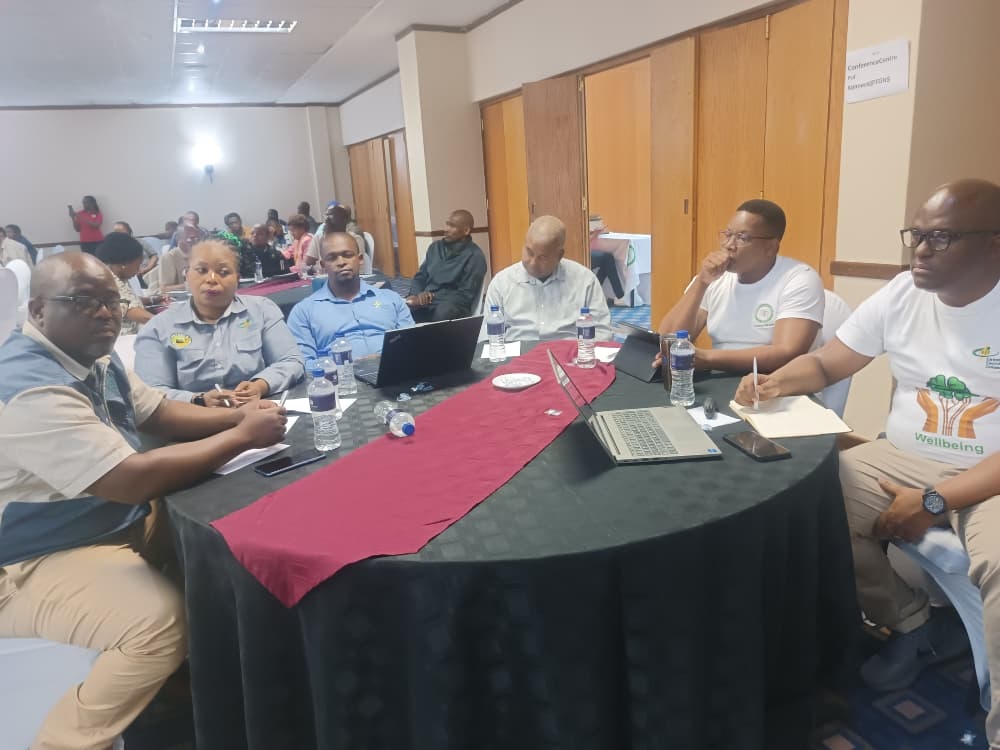
Members of the public in the Manzini region have raised concerns over the proposed electricity standardised connection charges by the Eswatini Electricity Company (EEC).
The proposed charges were revealed by the Eswatini Energy Regulatory Authority (ESERA), sparking debate among residents who fear that the new fees may be unaffordable for many.
| Eswatini Observer WhatsApp Channel
This was during an ESERA regional stakeholder consultation meeting held at The George Hotel in Manzini on Saturday.
ESERA General Manager Regulation Simphiwe Khumalo informed the meeting that after the EEC applied for a tariff review for the 2025/26 and 2026/27, financial years to cover rising costs, ESERA conducted a nationwide stakeholder consultation exercise, where they received a lot of complaints from customers on connection charges being too high.
ALSO READ: ACC Faces Pressure Over ‘Bobhabuli’
He said ESERA then mandated EEC to come up with standardised electricity connection charges before March, 2026.
Khumalo added that ESERA then formulated guidelines for EEC that would assist them when implementing the standardised electricity connection charges.
He stated that during Saturday’s meeting they were seeking public input which would be incorporated in the final draft of the guidelines.
EEC General Manager Customer Services James Mabunda confirmed that they received complaints from their customers that the connection charges were too high, hence the reason they came up with the standardised connection charges as per a directive from ESERA. However, he said standardised charges would apply only to customers whose structures were located between 300 and 350 metres away from the transformer.

He said if the structures were not within this range, the non-standardised connection charges shall apply.
Mabunda added that in the event the transformer had been utilised to full capacity and could not cater for additional connections, even if it was within the required range of 300 and 350 metres, it would be considered as non-existent and, therefore, the non-standardised connection fees shall apply.
He said the required distance of between 300 and 350 meters must be in a straight voltage line for the customer to benefit from the standardised connection charges.
He said if the structures were located in such a way that they would have to divert the voltage line and add extra poles in the process, the connection fee would increase.
On that note, EEC Commercial Administrator Lindelihle Mabuza said the standardised connections only targeted residential customers and small businesses.
He said the calculations for the new standardised charges would be made according to distance within the specified range of 300 and 350 metres.
For example, he said a customer whose structure was located at about 50 metres away from the transformer would pay a connection fee lesser than a customer, whose home was located 100 metres away from the transformer.
He stated that when coming up with the standardised charges, they considered the materials to be used during the connections such as meter box, bolts, transportation costs, labour and customer interface unit (CIU), to name just a few.
He said as per the guidelines, connections should be done within a space of 30 working days from the time the application was made.
On that note, Eswatini Consumer Forum’s Mandla Ntjakala, one of the stakeholders who attended the meeting, said the materials which the customer was paying for during connections remained the property of EEC, in the event the customer relocates or decided not to use electricity anymore.
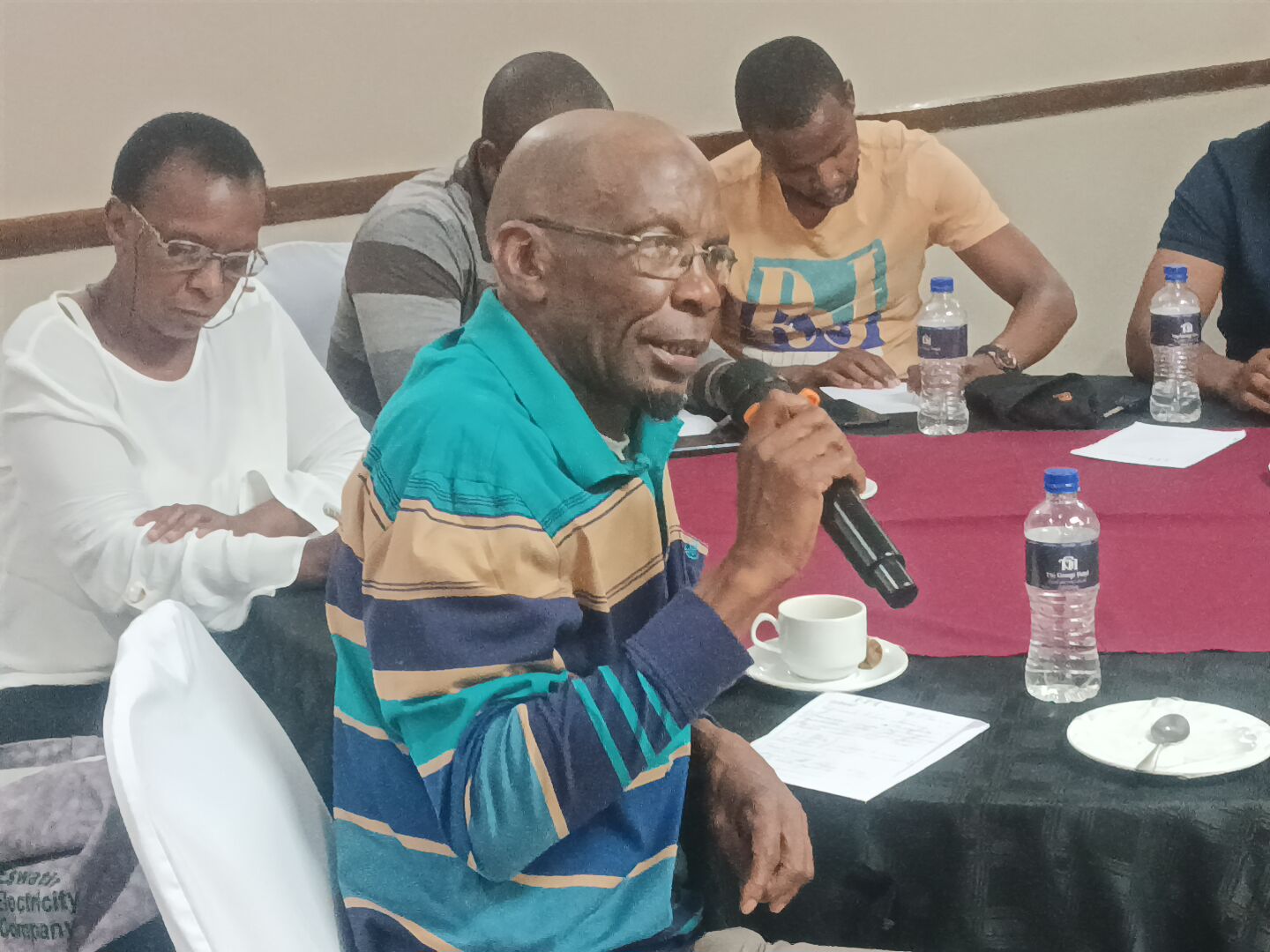
He opined that ECC should meet them halfway by contributing a certain amount of money during the purchasing of the materials.
Ntjakala stated that it was highly possible that there would be surplus of the materials during the connections which remained EEC’s property, as such the utility provider should consider making a deduction on the connection charges.
In response, EEC’s Mabunda said it was necessary for the customer to contribute the whole amount when purchasing the connections material because even though it remained the property of EEC, once they malfunctioned or got stolen, it was the responsibility of the utility provider to fix or replace them.
A customer Jabulani Masimula said they were concerned that electricity units had become too expensive.
ALSO READ: EEC recognised for Excellence in Corporate Ethical Procurement and Supply
“Paying E300 and then getting less units is just bad,” he said.
In response, Mabunda admitted that they had received complaints from customers that they were paying more money to EEC before purchasing the actual electricity units.
He said customers must take into consideration the fact that there were costs of buying electricity on their end and this resulted in electricity being expensive.
Another customer, Charles Mbingo said since EEC has pointed out that the reason the standardised connection charges were very high was a result of the material they buy during the connections, EEC should consider negotiating for reduced fees from the supplier.
Mabunda responded by saying negotiating for lower prices from the supplier was something they were working on and would continue doing so for the benefit of the consumer.
Meanwhile, other concerns that the stakeholders raised during the meeting was the high price of underground cables. They asked if it was possible for EEC to subsidise. They also opined that it was high time for EEC to have a competitor as that will drastically reduce the price of electricity.
‘EEC doesn’t interfere in land disputes’
Eswatini Electricity Company (EEC) does not interfere in land disputes.
These sentiments were shared by EEC General Manager Customer Services James Mabunda.
This came after EEC customer Mandla Ntjakala claimed that some members of the public were facing difficulties in having electricity connected to their homes due to land and chiefdom disputes.
He claimed there were areas where one could not have electricity installed in their home without the consent or approval of a chief.
In response, Mabunda said it was unfortunate that ECC did not interfere in land disputes.
He said their wish was to connect electricity for everyone, but if they were instructed by traditional authorities not to do so due to on-going land disputes, they were obligated to obey the order.
“We cannot interfere in land disputes but we can be party to a resolution. We don’t lead such a process though,” he said.
Eswatini Observer Press Reader | View Here