



Eswatini is making steady progress in strengthening its systems to combat money laundering, terrorism financing and related financial crimes.
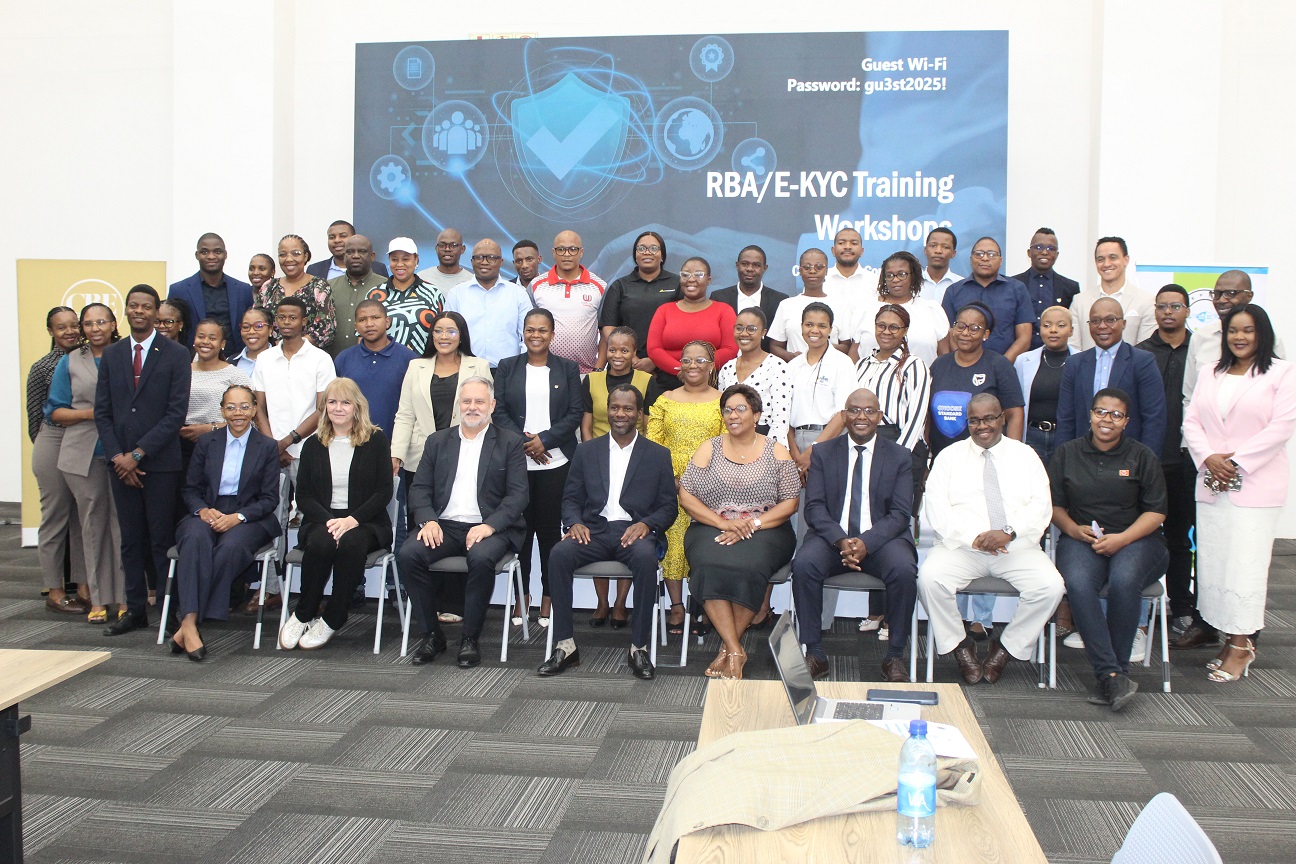
This was shared during a recent workshop on Anti-Money Laundering (AML), Combating the Financing of Terrorism (CFT), Counter Proliferation Financing (CPF) and electronic Know Your Customer (e-KYC), hosted by the Central Bank of Eswatini in collaboration with the Eswatini Financial Intelligence Centre (EFIC) and FinMark Trust.
The engagement formed part of ongoing efforts to modernise the country’s financial sector and ensure it remains secure, trusted and aligned with global standards.
Representing EFIC Director Babhekile Matsebula, Calvin Dlamini noted that digital financial services had become a cornerstone of economic activity across the SADC region, driving payments, remittances and financial inclusion.
He, however, cautioned that as access to these services expands, there is a growing responsibility to safeguard financial systems against criminal abuse.
Dlamini said central to this effort is the Risk-Based Approach championed by the Financial Action Task Force (FATF), which requires institutions to identify risks of money laundering, terrorism financing and proliferation financing, and apply mitigation measures proportionate to those risks.
“Eswatini has made meaningful progress in this regard. Amendments made in 2024 to the Money Laundering and Financing of Terrorism Prevention Act of 2011 strengthened the country’s legal framework by embedding risk-based obligations directly into the law.
“The 2023 National Risk Assessment also provided deeper insight into national threats and vulnerabilities, including gaps in beneficial ownership transparency, misuse of identity documents and the need for a more risk-informed national AML strategy,” he said.
He added that the 2022 Mutual Evaluation Report by the Eastern and Southern Africa Anti-Money Laundering Group (ESAAMLG) offered important recommendations, including strengthening national, sectoral and institutional understanding of money laundering and terrorism financing risks, improving coordination and enhancing risk-based supervision.
ALSO READ | COMESA CCC Unveils New Regulations
Dlamini emphasised that these assessments were not merely diagnostic but a call to action, with the workshop forming part of the country’s response.
Participants examined key components required for an effective risk-based AML/CFT/CPF framework, including updates on Eswatini’s Mutual Evaluation Report, findings from the National Risk Assessment and practical steps financial institutions can take to integrate risk-based approaches into governance, customer onboarding and compliance systems.
He said an effective Risk-Based Approach would allow resources to be directed where they are most needed, strengthen regulatory oversight and enhance institutional resilience, while reducing opportunities for criminal exploitation of the financial system.
Organisers expressed confidence that Eswatini has the institutional capacity and regional support required to further strengthen its financial safeguards and position the country’s financial system for integrity, resilience and sustainable growth.
Participants were encouraged to translate the insights gained into practical improvements within their institutions to further protect the financial system.
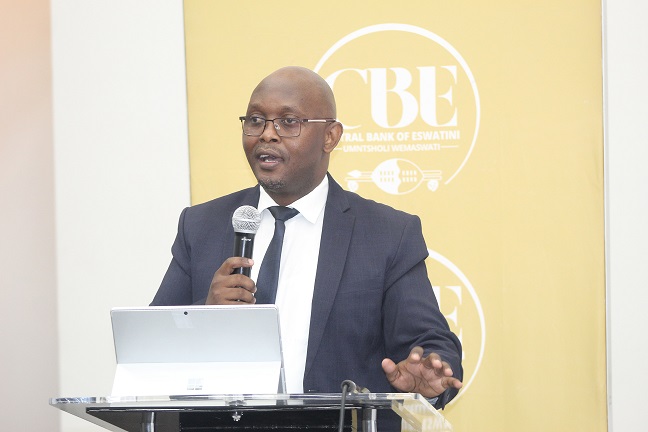
Meanwhile, Central Bank Director Financial Regulation Beverly Mavuso, speaking on behalf of Deputy Governor Felicia Dlamini-Kunene, acknowledged the important role played by regulatory bodies in strengthening the financial sector.
In her welcoming remarks, Mavuso recognised the presence of key regulatory authorities, including EFIC and the Financial Services Regulatory Authority, along with the Central Bank’s internal supervisory units.
She said their coordinated oversight continues to strengthen Eswatini’s AML/CFT framework, helping ensure the financial sector remains resilient, credible and aligned with international best practice.
She also thanked industry players, including commercial banks, mobile money operators, foreign exchange service providers and other financial institutions for their commitment to innovation, compliance and customer protection.
According to Mavuso, their role in advancing financial inclusion while maintaining strong governance standards is vital to economic stability and growth.
She noted that the training came at a pivotal time for the financial sector as stakeholders work together to enhance financial integrity, strengthen customer due diligence systems and support the country’s digital transformation agenda.