



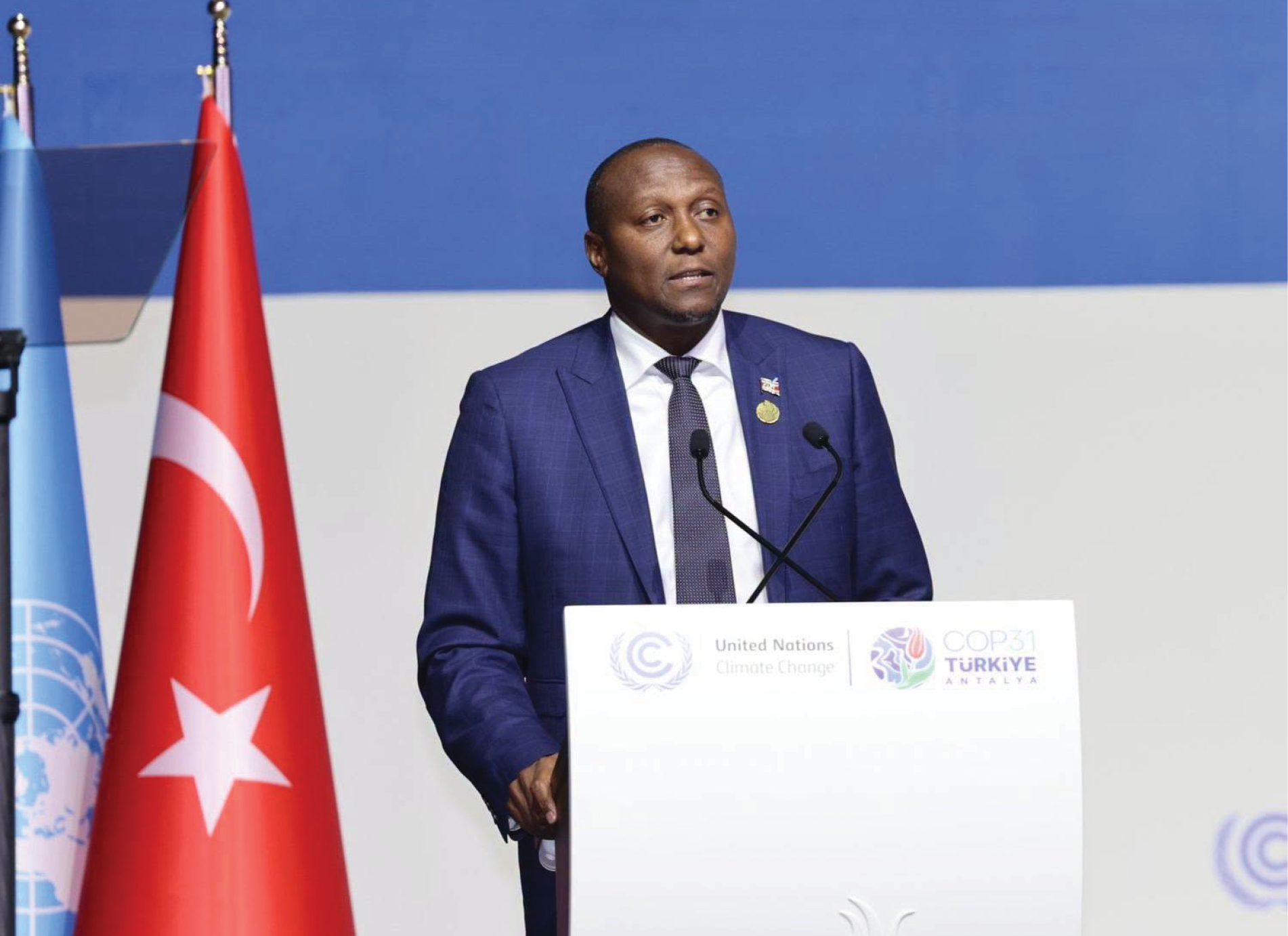
The country has set its sights on connecting every household to electricity by 2030.
Prime Minister Russell Dlamini told the international community that access to affordable and reliable energy was central to the country’s economic transformation.
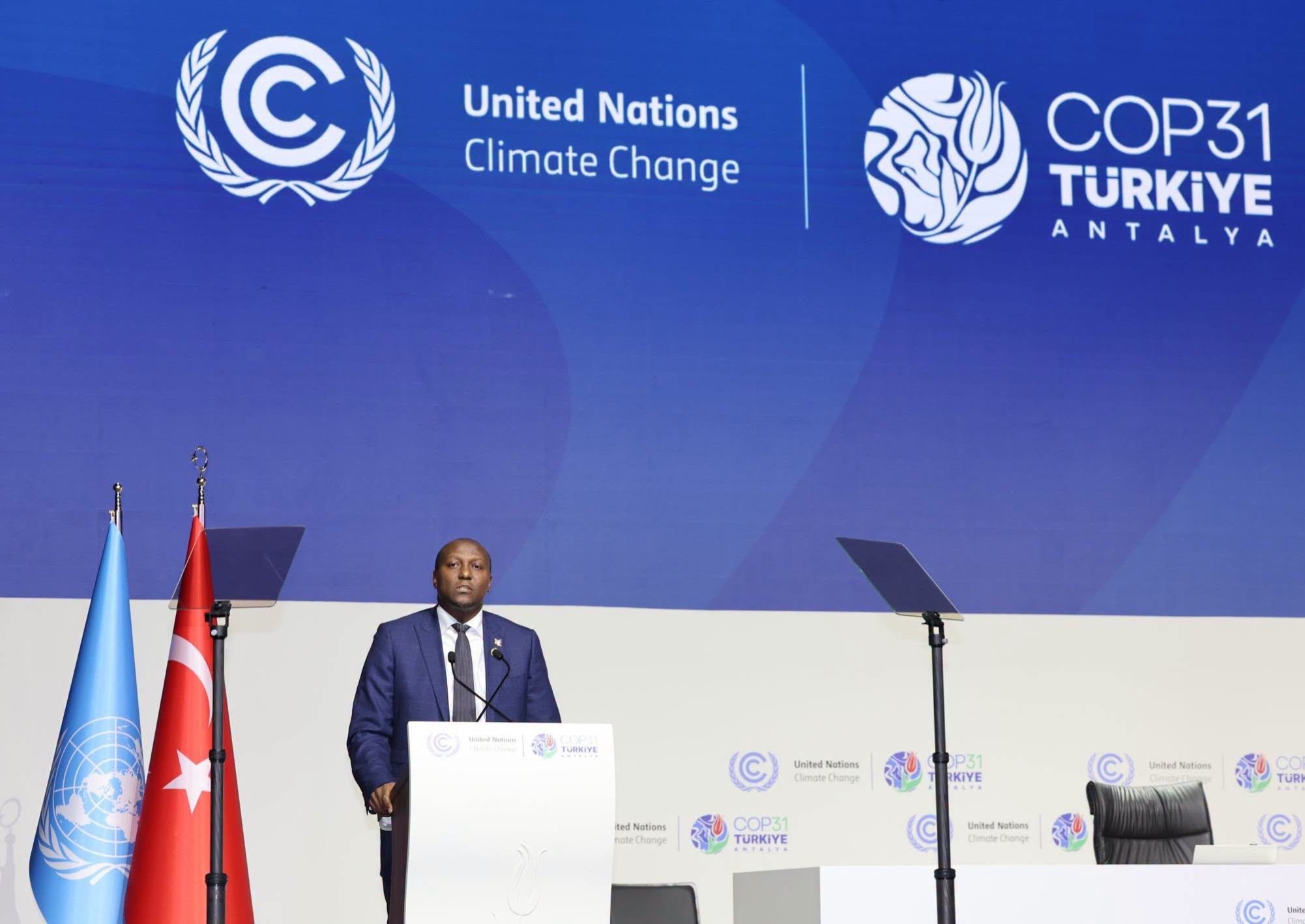
Addressing the launch of the COP31 35-by-35 Global Electrification Pledge in Antalya, Türkiye yesterday, the prime minister said government remained committed to ensuring that all citizens had access to modern, affordable and sustainable energy services.
This was during a high-level session titled Regional Pathways to Stronger Climate and Energy Governance and Transparency, co-hosted by the European Environment Agency and the Energy Community Secretariat.
The commitment comes as the country seeks to expand electricity infrastructure, increase domestic power generation and reduce its dependence on imported electricity. Dlamini highlighted the World Bank-supported Accelerating Sustainable and Clean Energy Access Transformation (ASCENT) Project, which aims to benefit approximately 200 000 additional people through 50 000 new household electricity connections.
The initiative combines expansion of the national electricity grid with off-grid solutions, particularly solar home systems, to reach remote and underserved communities where conventional connections may not be economically viable.
The ASCENT Project is expected to play a significant role in advancing the country’s 2030 electrification target.
The use of solar home systems is particularly important for communities in remote areas, where extending the national grid may be expensive or technically challenging.
However, Dlamini emphasised that electrification must go beyond simply connecting households. He said reliable electricity was equally important for industrial development, agriculture, businesses, healthcare facilities and schools.
Without dependable power, businesses struggle to expand, industries face operational challenges and essential public services remain constrained.
The PM also outlined government’s plans to strengthen domestic electricity generation through renewable energy investments.
These include solar photovoltaic, biomass and hydropower projects, complemented by battery energy storage systems to improve grid flexibility and support the integration of renewable energy.
He said investments in modern electricity infrastructure and domestic generation would help reduce reliance on imported power, strengthen national energy security and create employment opportunities. “The development of battery storage systems is particularly important because it can help address the intermittent nature of renewable sources such as solar energy.
“Government, therefore seeks an energy mix that supports both sustainability and the reliability required by a growing economy. Eswatini stood ready to work with the international community to turn the global electrification ambition into tangible results,” said Dlamini.
While welcoming the COP31 35-by-35 Global Electrification Pledge which seeks to increase electricity’s share of global final energy consumption to 35% by 2035, Dlamini cautioned that countries have different development priorities, institutional capacities and financial resources.
He said the country’s engagement with the initiative would be guided by its national development objectives and available resources.
The prime minister called on development partners, international financial institutions and private investors to provide more accessible climate financing, technology transfer, knowledge-sharing opportunities and technical support.
He emphasised the need for investment-ready projects that expand electricity access, modernise transmission and distribution networks and strengthen energy security. For developing countries such as Eswatini, he said, the energy transition must be economically viable and socially inclusive, ensuring that vulnerable communities were not left behind.
Meanwhile, African Union Commissioner for Agriculture, Rural Development, Blue Economy and Sustainable Environment Moses Vilakati called for stronger regional cooperation and transparent governance to accelerate climate action and the energy transition.
Vilakati delivered closing remarks during a high-level session. He stressed that climate and energy commitments must translate into practical benefits for African communities through stronger institutions, coordinated policies and sustainable investment.
For Africa, he said effective climate governance must strengthen resilience, improve energy security, mobilise investment and empower communities.
Vilakati also highlighted the importance of transparency, accountability and access to reliable data in ensuring that governments made informed decisions and successfully implement their climate commitments.
“The African Union is committed to advancing Agenda 2063 through stronger partnerships, knowledge exchange and regional cooperation.”