



GOVERNMENT has called on financial institutions to rethink how they finance micro, small and medium enterprises (MSMEs), saying many businesses remain constrained despite having viable ideas and products.
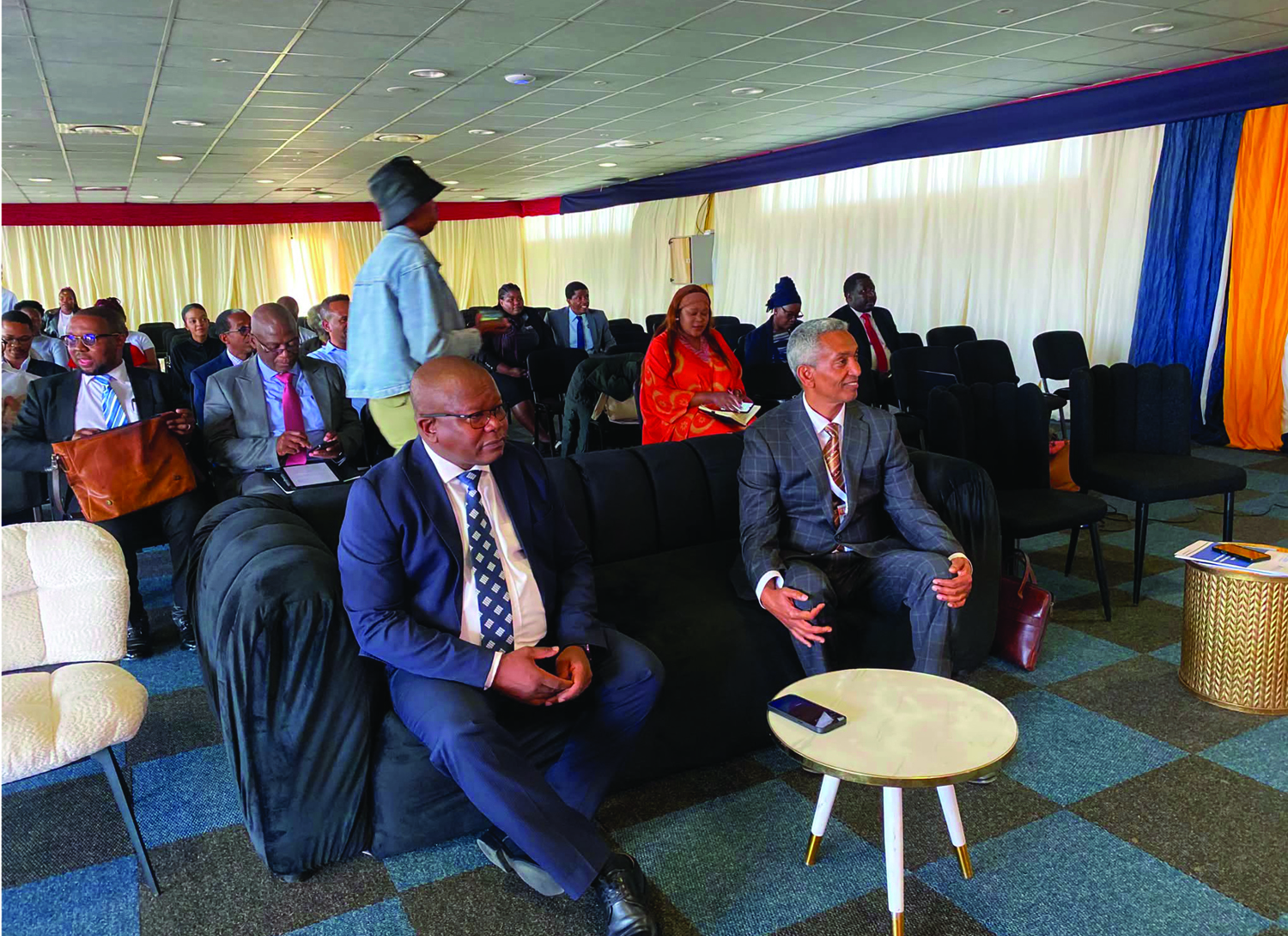
Speaking at the AeTrade Group Integrated Ecosystem Dialogue at the Mavuso Trade and Exhibition Centre, Minister of Commerce, Industry and Trade Manqoba Khumalo said the challenge was not only about increasing the availability of money, but ensuring financing responds to the realities of small businesses.
The dialogue was held yesterday under the theme, ‘Unlocking Opportunity: Connecting Youth, Enterprise, Finance and Markets for Jobs and Growth.’
“We need financing that is appropriate to the realities of our enterprises, combined with financial literacy, proper business records, stronger credit assessment and credible market opportunities,” Khumalo said.
The minister highlighted that access to finance remains one of the key barriers limiting the ability of MSMEs to move from survival to sustainable growth. Government recognises that many entrepreneurs have viable business ideas and products, but require financing models that are aligned with their operational realities.
He noted that building a stronger MSME sector requires a coordinated ecosystem, where businesses can access not only capital, but also the skills, technology, standards and markets needed to compete.
“Training without access to finance is insufficient. Finance without access to markets is insufficient. Market access without the ability to meet quality standards is insufficient,” he said.
Khumalo added that interventions supporting enterprise development must, therefore, be connected, allowing entrepreneurs to access the full range of support required to grow their businesses. Government’s focus, he pointed out, is on creating an environment where the private sector can contribute more meaningfully to economic development through investment, innovation and employment creation.
“This means improving the ease of doing business, reducing unnecessary bottlenecks, strengthening institutions, facilitating investment, supporting MSMEs and ensuring that our businesses are able to participate meaningfully in domestic, regional and international markets,” Khumalo stated.
He challenged financial institutions and other stakeholders to develop solutions that move beyond traditional lending approaches and help enterprises build capacity.
According to the minister, financing must be accompanied by stronger business practices, including proper financial records and improved credit readiness, to increase the ability of MSMEs to access funding.
He said investment and finance must ultimately contribute to increased production, job creation and stronger local supply chains.
“Investment must translate into economic value. We want investment that expands production, creates jobs, transfers skills, strengthens local supply chains and opens new markets for Eswatini businesses,” he said.
Khumalo stressed that the success of enterprise support programmes should be measured by practical outcomes, including how many businesses access finance, reach new markets, meet required standards and create employment opportunities.