


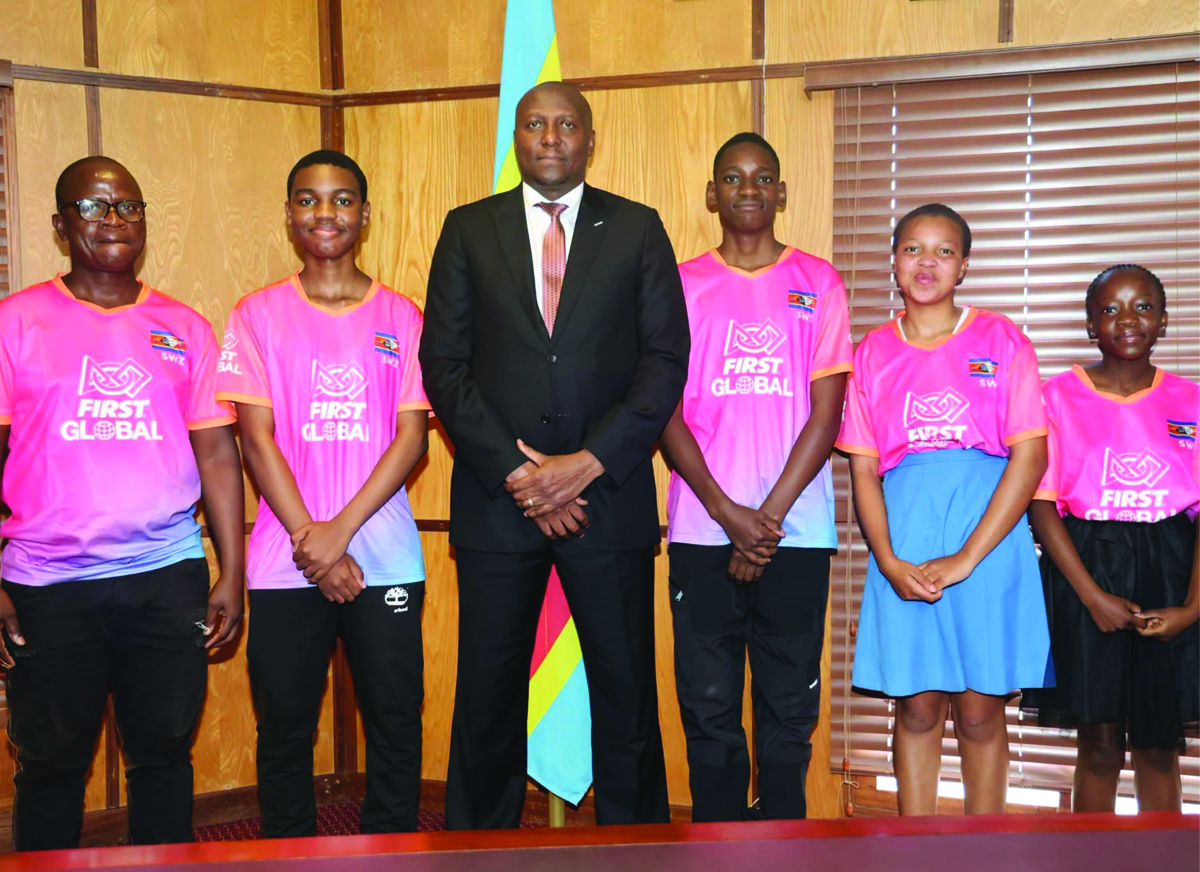
PRIME Minister Russell Mmiso Dlamini has commended STEM Club Eswatini for developing an innovative wildfire detection and early-warning system, describing the initiative as an important step towards industrialisation and homegrown technological innovation.
The prime minister made the remarks after being presented with the pupils’ Improved Satellite and Sensor Detection Platform, which is designed to detect wildfires early and help protect the country’s forestry and sugarcane sectors.
Dlamini said locally developed technological solutions were critical to addressing real-world challenges and advancing the country’s industrialisation agenda. He said the platform could potentially serve as a national early-warning system for fires, adding that the National Disaster Risk Management Authority (NDRMA) and farm owners could benefit from procuring the technology once it had been successfully developed and proven effective. The prime minister encouraged the pupils to conduct further research into existing wildfire detection technologies to identify opportunities to improve and differentiate their innovation. He stressed that continuous learning, research and development were essential to ensuring that locally developed technologies remained relevant, effective and practical. Dlamini further expressed hope that the pupils’ innovation would move beyond the prototype stage and eventually be mass-produced and widely deployed in the country.
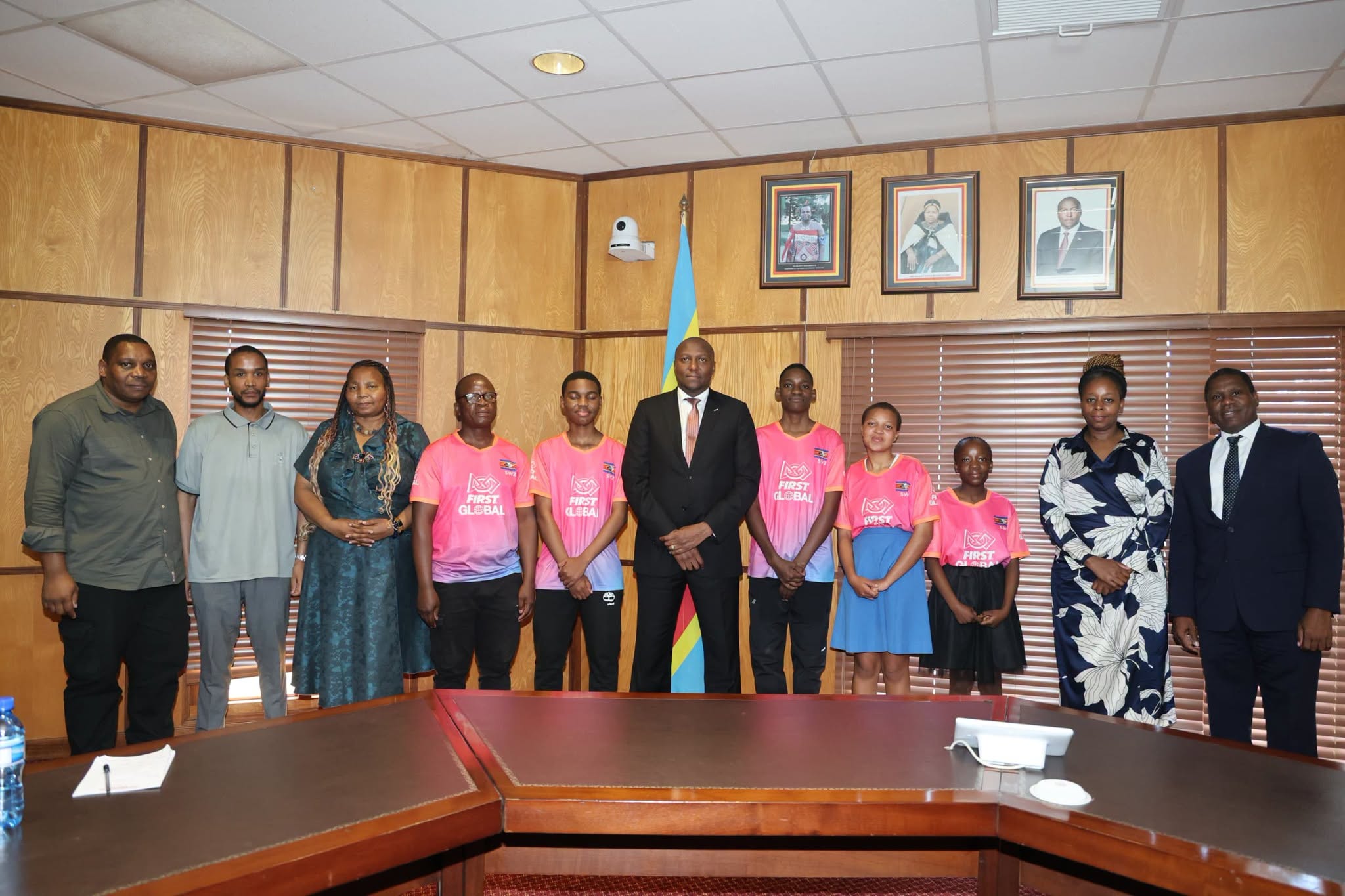
Founded in 2015 in Simunye, STEM Club Eswatini is a youth technology and robotics organisation that equips young people with skills and confidence through science, technology, engineering and mathematics (STEM) programmes. The club currently supports 43 pupils from 18 schools across the country, with guidance from eight educators, technical engineers and university alumni mentors. Through Team Eswatini 2026, the pupils developed an integrated early-warning system combining NASA VIIRS satellite thermal data with ground-based sensors and artificial intelligence-supported processing.
The system uses BBC micro:bit boards and Python AI servers to identify potential wildfires while filtering out false alerts associated with agricultural burning.
| Feature | Details reported |
|---|---|
| Platform name | Improved Satellite and Sensor Detection Platform |
| Developers | STEM Club Eswatini pupils through Team Eswatini 2026 |
| Intended purpose | Early wildfire detection to help protect forestry and sugarcane sectors |
| Satellite data | NASA VIIRS satellite thermal data |
| Ground-based technology | Ground-based sensors and BBC micro:bit boards |
| Processing | Artificial intelligence-supported processing using Python AI servers |
| Reported alert filtering | Identifies potential wildfires while filtering out false alerts associated with agricultural burning |
| Development status | Prototype; the prime minister encouraged further research and eventual wider deployment once proven effective. |
Source: Supplied article by Brian Mabuza. No testing results or performance measurements were provided.
| Item | Details |
|---|---|
| Founded | 2015, in Simunye |
| Organisation | Youth technology and robotics organisation |
| Pupils supported | 43 |
| Schools represented | 18 |
| Guidance team | Eight educators, technical engineers and university alumni mentors |
| Programme focus | Science, technology, engineering and mathematics (STEM) |
Source: Supplied article by Brian Mabuza.