



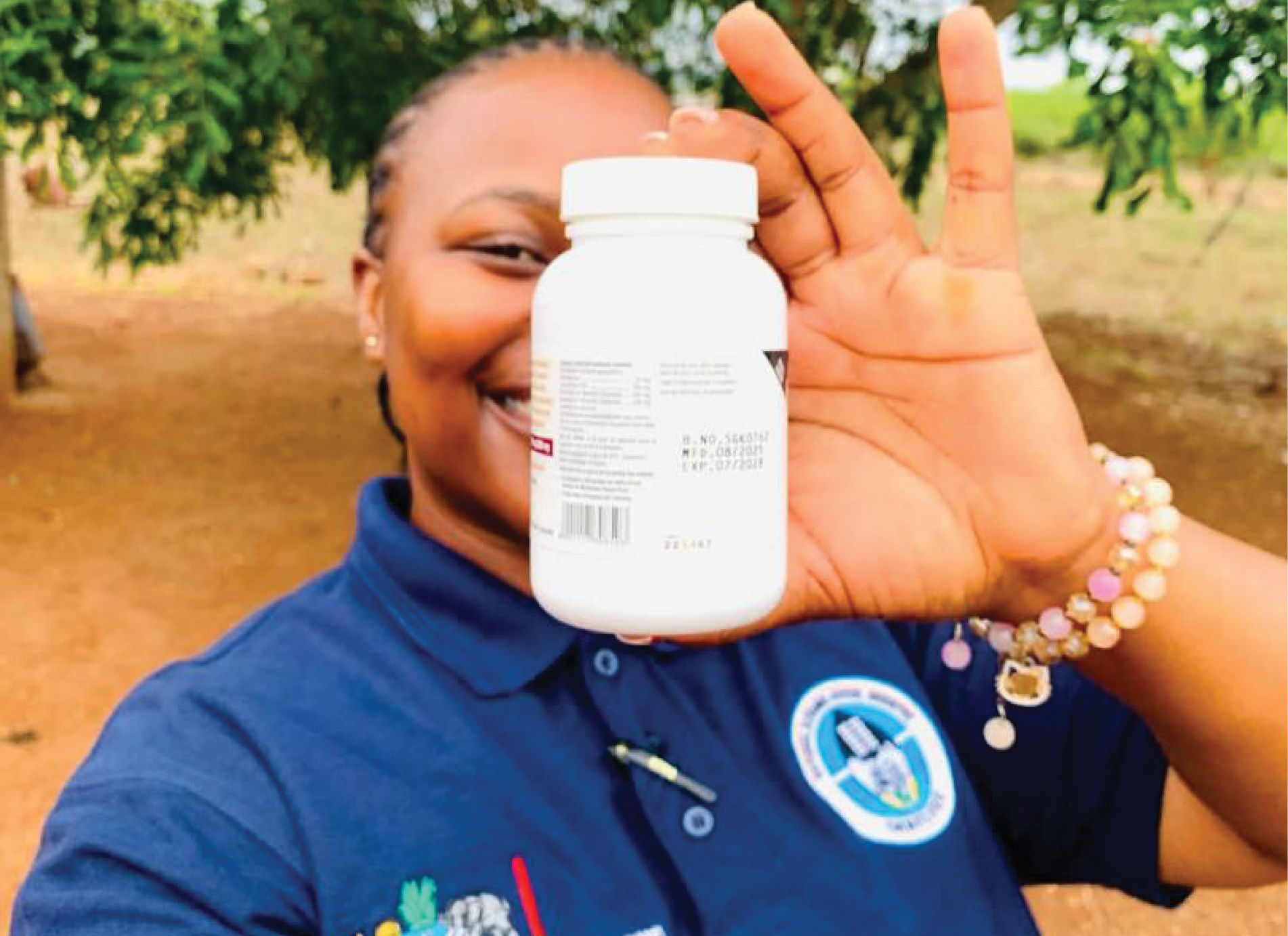
AT a time when HIV-related stigma remains high in the country, Njabulo Ngcamphalala is openly speaking about her HIV-positive status and sharing videos of herself taking her medication on social media platforms, including Facebook and TikTok.
Through this, Ngcamphalala seeks to challenge the shame, discrimination and misconceptions often associated with HIV/AIDS.
Sharing her story with this publication ahead of the World AIDS Day commemoration, Ngcamphalala said an experience of rejection had motivated her to become an HIV advocate and use her personal journey to create awareness on social media, including through videos of herself taking her antiretroviral therapy (ART).
She said about four months after receiving her diagnosis, she attempted to enter a relationship and disclosed her status to her partner, who did not receive the news well.
The experience was particularly difficult because she was still trying to come to terms with her diagnosis.
“In my mind, I was asking myself how other people in the same predicament continued with life after receiving positive results,” she said.
However, she later turned to social media, where she came across videos of people sharing their experiences of living with HIV. Their stories gave her strength and encouraged her to begin sharing her own journey. Following her experience, Ngcamphalala said she became aware of the number of young people living with HIV in the country who had nobody to turn to for support. This motivated her to become a voice for them, particularly young women.
She said stigma remained widespread in the country, adding that women often faced a different experience when disclosing their HIV status to partners.
While women were expected to accept their partners’ status, the same understanding was not always extended to them.
Ngcamphalala said she had also experienced stigma on social media, with some people suggesting that the positive comments she received were influenced by her physical appearance. They claimed that if she did not look attractive, the reactions to her content would be negative.
In a recent TikTok post, she shared that she had finally found someone who supported her treatment by bringing her medication and reminding her to take it every day. However, some people responded by suggesting that her partner was probably also HIV-positive and did not want to risk reinfection.
Ngcamphalala said such comments demonstrated that some people still lacked adequate information about HIV/AIDS. She added that some communities continued to believe that people living with HIV should have a particular physical appearance.
As a result, some people accused her of being paid to produce social media videos advertising ART, rather than accepting that she was sharing her personal experience.
“People are still of the view that HIV kills, yet that has changed completely,” she said.
She said the man she was dating at the time had tested HIV-positive long before her diagnosis but had not disclosed his status to her. He was already taking antiretroviral treatment, which he was defaulting on, but had kept his status a secret despite the two living together in the same room.
She only learnt about his status after she fell ill.
“I had never on a single day stumbled on his medication in the house, yet he was supposed to be on medication,” she said.
Although she had some knowledge of HIV/AIDS, Ngcamphalala said she had expected her partner to support her when she received her positive results.
The lack of support was painful, particularly because her partner eventually ended their relationship. What hurt her most, she said, was that he had failed to support her through the experience despite knowing that his undisclosed status had exposed her to the virus.
To cope with the diagnosis, Ngcamphalala decided to share her story with her friends, who frequently visited her while she was studying at the University of Eswatini.
Meanwhile, National Emergency Response Council on HIV and AIDS (NERCHA) Information Centre Manager Sibusiso Ngubane said people such as Ngcamphalala, who openly shared their experiences and advocated for adherence to ART, played an important role in encouraging others to accept their status.
Ngubane said accepting oneself after testing HIV-positive was important before expecting other people to offer acceptance.
He said Ngcamphalala’s courage in using her voice to promote treatment adherence and healthy living played a critical role in addressing self-stigma, which remained prevalent among people living with HIV. Ngubane explained that while some people openly discriminated against those living with HIV, others also stigmatised themselves.
Self-stigma remained one of the barriers preventing people from taking antiretroviral medication because they feared being seen taking their treatment. According to Ngubane, HIV was no longer viewed in the same way as it was in the past, as people who adhered to treatment could live longer, healthier and normal lives.
“As we are building up to the commemoration of World AIDS Day, the theme, ‘Ending AIDS Starts with Access’, highlights the need for people living with HIV to access medication and adhere to treatment,” he said.
NERCHA was encouraged by young people such as Ngcamphalala, who openly spoke about their HIV status and encouraged others to understand that it was not a death sentence.
Ngubane said people living with HIV should be open about their status, access treatment and continue living normal lives.