Russia has set its sights on increasing trade with Africa to E826.5 billion (US$50 billion) within the next four years.
This is as Mascow seeks to turn its growing diplomatic relations with African countries into stronger investment, energy, agricultural and educational partnerships.
The target emerged as one of the key economic ambitions highlighted following the third Russia–Africa Summit and Economic and Humanitarian Forum, held in Moscow.
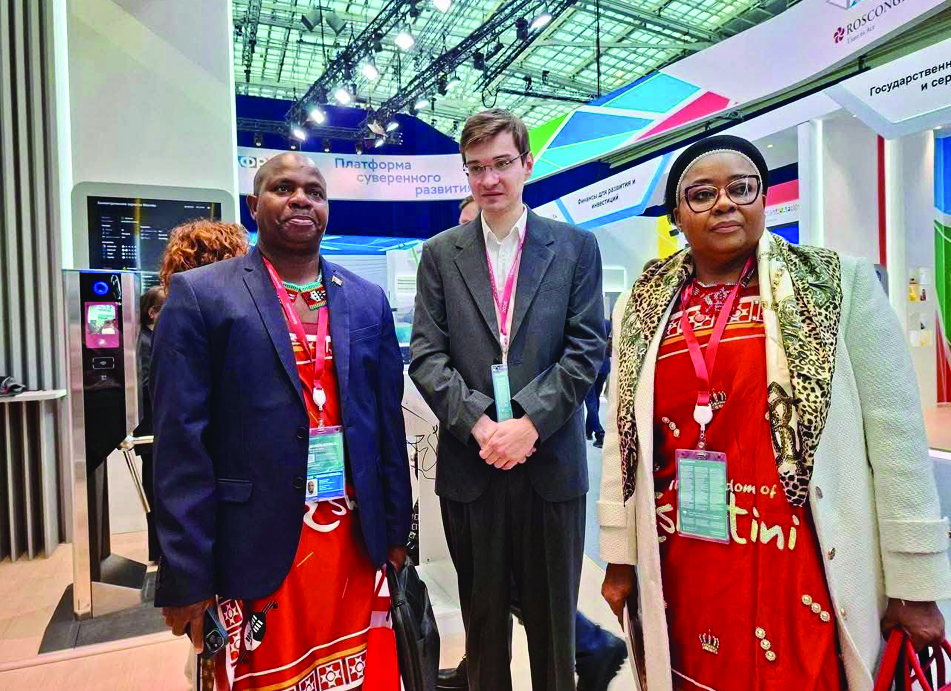
The kingdom was represented by a delegation from the Eswatini Tourism Authority (ETA) in the summit which focused on expanding trade, investment, food and energy security, technological development and education, while promoting greater economic cooperation between Russia and African countries.
Its outcomes were examined further during a roundtable discussion held in Moscow last week, where Russian government officials, business representatives and academics outlined opportunities for strengthening cooperation through to 2030.
According to a press statement form the Kremlin, trade between Russia and Africa increased seventeenfold between 2001 and 2025, rising from US$1.5 billion to US$27 billion. At the current exchange rate, the latter represents approximately E446.3 billion, with Moscow now targeting E826.5 billion.
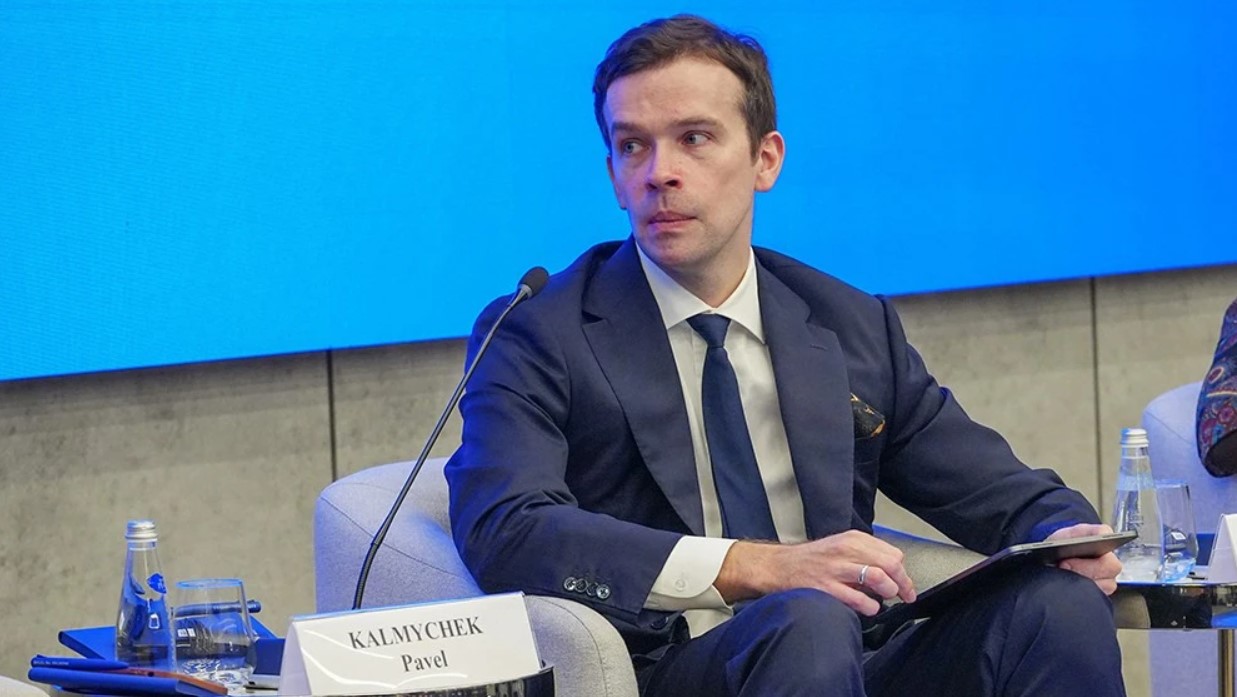
Russia’s Ministry of Economic Development Director for Development of Bilateral Cooperation Pavel Kalmychek said President Vladimir Putin had set a target of increasing trade with African countries to US$50 billion.
He acknowledged though that trade remained heavily tilted in Russia’s favour, with Russian exports substantially exceeding imports from Africa.
“This is our task for the next three to four years. Trade remains unbalanced for now, as our exports significantly exceed imports from Africa, but all the targets set by the president are achievable,” Kalmychek said.
He promised that achieving the target would require moving beyond conventional trade towards greater investment in African economies.
“If we want to increase trade several times over, we need to move towards investment,” he said.
Kalmychek identified agriculture as one of the most promising sectors, with Russia offering expertise in soil management, fertiliser supplies, food processing and agricultural technologies.
He acknowledged though that high transport costs and limited understanding of African markets continued to constrain trade expansion.
Food security featured prominently in the discussions, with Russian grain exports to Africa having more than doubled over the past four years to 22 million tonnes.
Russian Grain Association Executive Director Ksenia Bolomatova said Africa now accounted for more than one-third of Russian grain exports, with wheat representing 94% of shipments to the continent.
She attributed growing demand to population growth and urbanisation, which are changing food consumption patterns across African countries.
Energy was another major priority, with Russia proposing cooperation in nuclear, gas and solar power generation to help African countries address electricity shortages and support industrial development.
Russia’s Minister of Energy Press Secretary Rustam Alypkachev said reliable electricity supplies were essential for the development of industries, cities and transport infrastructure.
Russia also identified healthcare and education as sectors with significant potential for cooperation, including medical technology, pharmaceutical distribution and specialist training.
Participants heard that Russia currently hosts approximately 40 000 African students, while Russian universities are exploring additional opportunities in engineering, artificial intelligence and distance education.
According to a statement issued by acting Government Spokesperson Thabile Mdluli, the kingdom was represented by ETA Board Chairperson Phiksile Mkhwanazi and Chief Executive Officer Vusi Dlamini at the summit.
The delegation, according to Mdluli, engaged Russian counterparts on tourism promotion, visitor exchanges and the development of travel packages that could incorporate Eswatini into existing African tourism routes.
Mkhwanazi reportedly held discussions with Mikhail Serov of the Russian Ministry of Economic Development’s Department of Multilateral Cooperation at Gostiny Dvor, where summit activities took place.
Dlamini, on the other hand, described Russia as a potential tourism market for the kingdom, saying the delegation had engaged several organisations during the gathering.
The summit came against a background of expanding diplomatic engagement between Eswatini and Russia, with both governments pursuing cooperation in education, healthcare, agriculture, energy, technology and security. Days before the gathering, Russian Ambassador to Eswatini Vladimir Tararov outlined the opportunities presented by closer relations in an article published in this newspaper.
“Despite the considerable geographical distance, Russia sees great potential in developing comprehensive ties with the kingdom,” Tararov wrote.
He identified trade, agriculture, education, healthcare, science, technology, culture and tourism as areas where cooperation could expand. “The forthcoming summit in Moscow presents an excellent opportunity to take these ties to a new level,” he added. The county previously participated in the second Russia–Africa Summit held in St Petersburg in 2023, with Minister of Foreign Affairs and International Cooperation Pholile Shakantu and Minister of Public Service Mabulala Maseko taking part.
Relations have since been strengthened through high-level diplomatic exchanges, including Russian Foreign Minister Sergey Lavrov’s visit to Eswatini and Shakantu’s participation in Russia–Africa Partnership Forum engagements.