




The nation would be stunned, horrified and sympathetic if an accident would claim the lives of 486 people.
Parliamentarians would immediately demand an inquest, government officials would deploy all resources to support the bereaved and prevent the same from happening again. Faith leaders would call for a national day of prayer that would be honoured by thousands.
The accident would be a memorable tragedy that brought the country to a standstill.
In comparison, the country’s suicide rate is yet to trigger such a matching collective outcry even though the World Health Organization has been ringing the alarm about Eswatini’s suicide rate that is the highest in the world. In the 2022 and 2024 period, 486 souls were lost to suicide, 80% of whom were fathers, uncles, brothers and husbands who were cherished and loved by family members and friends.
Recognising this crisis, Prime Minister Russell Dlamini declared suicide a national emergency and crisis in July 2025. But political declarations are just the first step.
Urgent action is required from multiple sectors to inspire empathy and support towards people who contemplate taking their own lives. Furthermore, deliberate interventions can remove the restrictive cultural stigmas, misunderstanding and taboos associated with suicide.
An empathetic attitude that suicide is conceived by a hurting, confused and wounded mind would direct more care and support to individuals who are in mental anguish.
Suicide notes are powerful testimonies that reveal a hurting heart that is trapped in one set of thoughts, constantly rationalising the futility of life. Psychiatrist Rory O’Connor quotes a note that characterises the suicidal mind: “if you are reading this, I have had enough and I’m dead. You can see how terrible my life is. I can’t think of any day when things have gone well recently and who really cares about me anyway. I am a failure, can do nothing right. Useless. Trapped.”
O’Connor’s book, ‘When It Is Darkest: Why People Die by Suicide and What We Can Do to Prevent it’, reveals that “suicide is not usually about the desire to die, it is about ending the unbearable mental pain”, as a result of polarised thinking and feeling a profound sense of failure.
That mindset could be in response to a job loss, divorce, unmanaged debt, shame, illness or the loss of a loved one, that could cause someone to feel trapped in a state of endless and unbearable pain with no immediate solution in sight.
The internal monologue escalates: “things are only going to get worse. How can I make it all stop? My life is just so meaningless and empty. The pain is never going to end”.
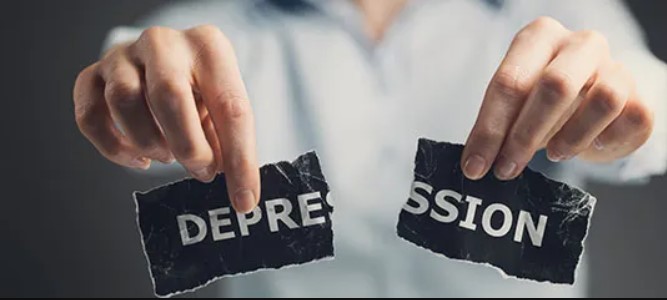
This psychological tunnel vision blinds the individual to alternative solutions. They believe they have reached their absolute limit, and suicide begins to look like a permanent solution to what are, in reality, temporary challenges.
Left behind, family members and friends are cast into a whirlwind of confusion, shock, shame and guilt. It is common for the bereaved to view the act as selfish.
What they often do not know is that the person consumed by mental pain genuinely believed they were a burden. In their distorted reality, taking their own life felt like an act of love to relieve their family from stress. Over time, as they isolate themselves, their tolerance for emotional pain increases while their fear of death decreases, desensitising them to the act of dying. They choose the final option because the mind has hidden all other paths.
BECOMING THE LIFELINE
A lot of Emaswati can help provide more coping mechanisms to people in mental anguish.
Many still miss the signs, such as the confessions: there is nothing worth living for, there is no other choice, and I have the strong urge to hurt or kill myself. Friends, colleagues and family members can learn to provide social support to individuals who make such confessions and provide helpful coping mechanisms because suicide is a mental health challenge that clouds personal judgement by overcomplicating temporal problems as permanent features of life.
Most importantly, strong social connections can make a massive difference, like listening with compassion to overcome the feeling of isolation and low self-worth. Stepping closer and connecting with people could save a life.
Meaningful conversations can challenge the thought of despondency and make the person feel heard and appreciated. That could be that important, life-saving act that makes the difference. It reminds us that we can all play a part in preventing suicide.
For help please contact:
– Eswatini Mental Health Association: +268 2404 3160.
– Doctors Without Borders (MSF’s) Sitsandziwe Clinic in Matsapha. Call 2518 4823 or send a WhatsApp text on 7627 5194.
– The mental health department at any government hospital.
– A counsellor or social worker at your nearest clinic or hospital or social workers’ offices.
– A trusted friend to discuss the pain you are in and keep an open mind to suggested solutions.
– A pastor or faith leader whom you trust.