Singer Mandisa Mamba’s performance at the Standard Bank Luju Food and Lifestyle Festival over the weekend has become one of the most talked-about moments from the event.
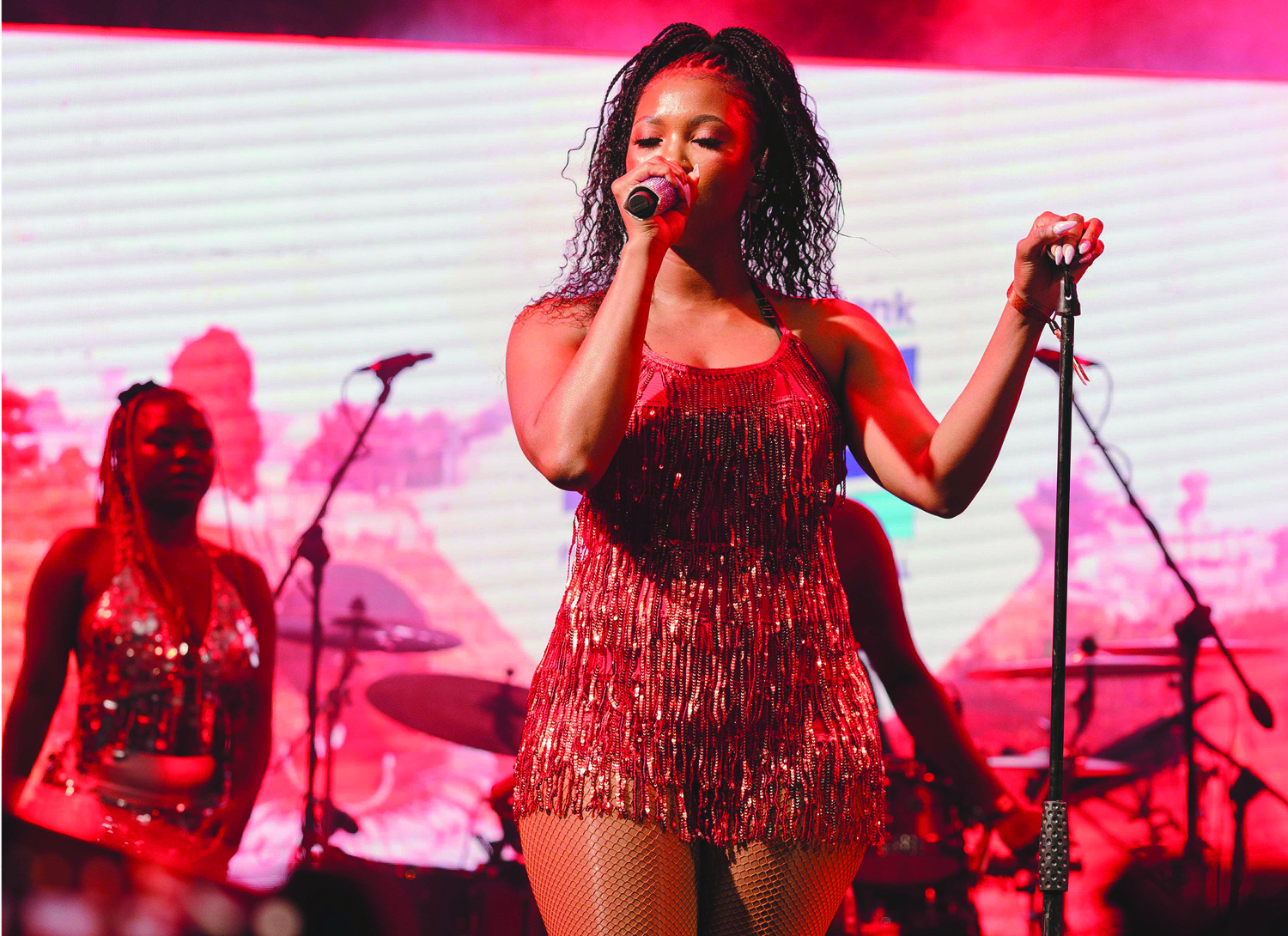
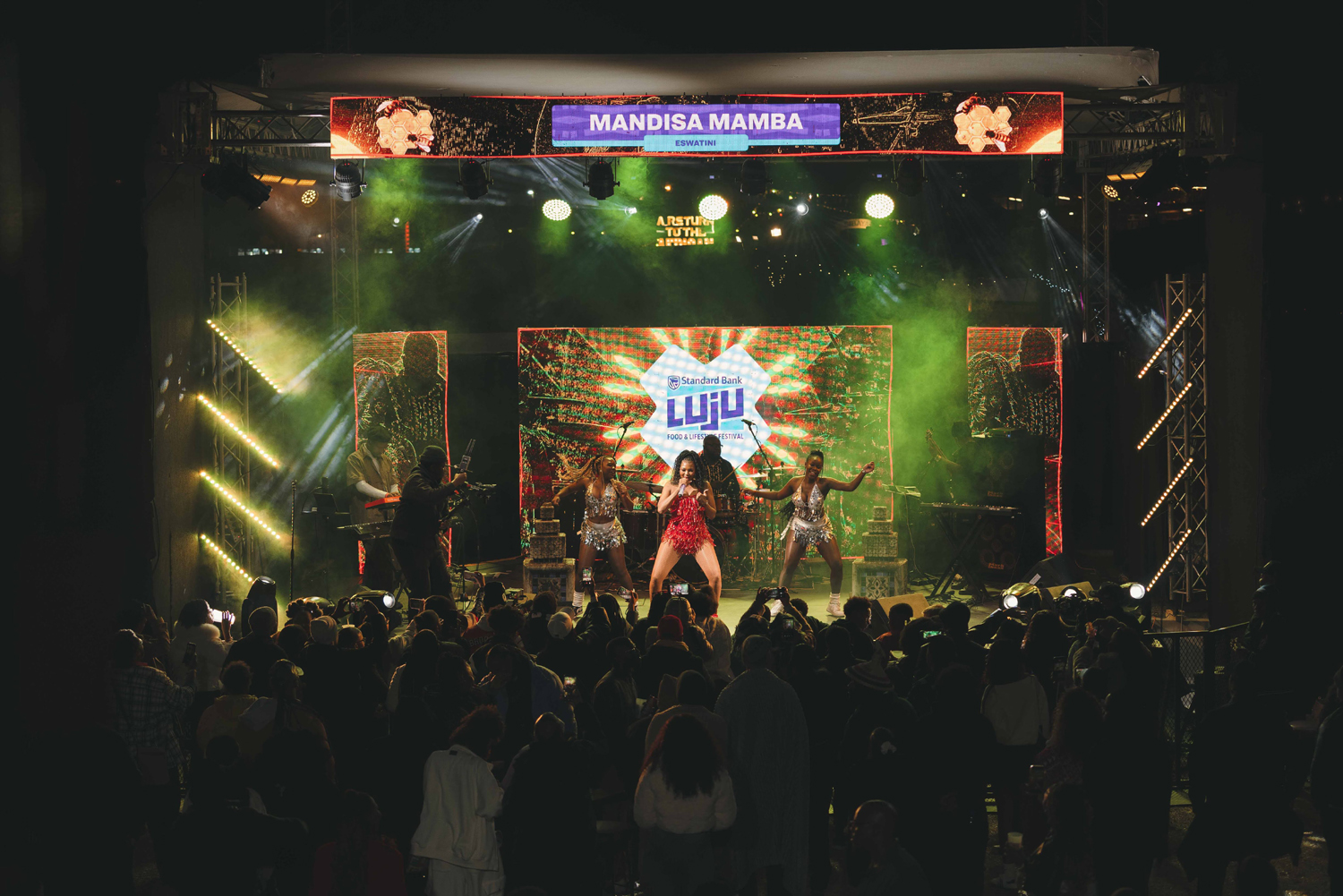
The talented singer took to the stage in a bold red performance outfit, accompanied by dancers, live musicians and energetic choreography. Her set drew loud cheers from many people in the audience, with several festival-goers praising her confidence, vocals, stage presence and dance moves.
However, not everyone was impressed. A section of the public felt that her outfit and some of her dance moves were too revealing and inappropriate. The debate quickly moved beyond the festival grounds, with people sharing different views on social media and in everyday conversations.
For some, Mandisa gave a strong performance that showed growth, confidence and readiness to compete on bigger stages. For others, the performance raised questions about what is acceptable for a local artist in a public setting. But perhaps the bigger question is this: what space do we give local artists to fully express themselves?
Luju is not an ordinary concert. It is a major festival that brings together music, food, fashion, culture and lifestyle. It attracts people of different ages, interests and backgrounds. It is also one of the few local platforms where artists are able to perform before a large and diverse audience, alongside strong production, professional sound and festival-level staging.
In such a setting, artists are expected to bring more than a microphone and a good voice. They are expected to create a full experience. Mandisa’s performance did exactly that. Her red outfit, her dancers, the lighting and her movements all worked together to create a show that was designed for a festival stage. It was expressive, energetic and visually strong. Whether one personally liked the outfit or not, it is difficult to deny that she came prepared to perform.
The reality is that music performances around the world have long used fashion and dance as part of storytelling. International stars such as Beyoncé, Doja Cat and Nicki Minaj have, over the years, used bold outfits, choreography and strong visuals to support their music and stage identity. Their costumes are often designed to fit the mood of a song, the type of event and the message behind the performance.
This does not mean every artist must copy what is done overseas. But it does show that music has changed. Performance is now about the full package. The singer is no longer judged only by how well they sing. Audiences also look at how they carry themselves, how they connect with a crowd, how they dress, how they move and how memorable their show is.
This is especially true at festivals. Local artists should not be expected to remain small in their ideas while being asked to perform on big platforms. If Eswatini wants its artists to reach international standards, then they must be allowed room to experiment, improve and build their own identities. That freedom may sometimes make people uncomfortable. Art often does.
Still, there is a need for balance. Eswatini is a country with strong values, traditions and respect for public spaces. It is understandable that some people may feel that certain outfits or movements go too far. Their concerns should not simply be dismissed. A healthy entertainment industry must be able to listen to different views, especially when performances are watched by people from many age groups.
At the same time, criticism should not turn into personal attacks against an artist. Mandisa did not step onto the stage to disrespect anyone. From what was seen during her set, she was delivering a planned festival performance. She was confident, focused and fully involved in the music. Her dancers also added to the energy of the show, helping to create a polished production that matched the scale of the Luju Festival.
It is important to separate discomfort from wrongdoing. Not every performance that challenges a person’s personal taste is automatically inappropriate. Sometimes it is simply different from what they are used to seeing from local artists. The local music scene is growing, and with that growth will come new fashion choices, new sounds, new dance styles and new ways of performing. That should be expected.

The debate around Mandisa’s performance also shows how much attention local artists receive when they take bold steps. When an artist keeps things safe, people may say they lack creativity. When they take a risk, people may say they have gone too far. It can be difficult for performers to find the right balance.
But artists must be allowed to develop. Mandisa’s performance should be seen as part of that development. She showed that she understands the importance of presentation. She understood that Luju is a platform where artists have an opportunity to leave a lasting impression. Her performance was not quiet or forgettable. It got people talking, and in the entertainment industry, that often means the artist has made an impact.
Many people who supported her pointed to her confidence and professionalism. They felt that she represented a new generation of performers who are willing to work on their craft beyond singing alone. They saw a woman in control of her stage, her body, her music and her image.
That is an important point. Female performers are often judged more harshly than male performers when it comes to clothing and dance. A male artist can perform with confidence, energy and boldness and be celebrated as a star. But when a woman performs with the same freedom, the conversation can quickly become focused on her body rather than her talent.
This is not to say that all criticism is unfair. People are entitled to their opinions. But the discussion should be respectful and fair. Mandisa should be judged on the full performance: her voice, preparation, creativity, professionalism, audience connection and the effort she put into entertaining the crowd.
The photographs from her Luju set show a performer who was fully committed. On one stage, she is seen singing with confidence under dramatic red lighting, while dancers and musicians support the show behind her. In another moment, she commands the stage with her dancers as the crowd watches and records the performance on their phones.
That is the image of an artist working hard to deliver a proper live show. Festivals such as Luju are important because they give artists a chance to test themselves. They give singers an opportunity to move beyond small performances and step into a bigger space. They also allow local audiences to experience a wider range of music, fashion and creative expression.
This does not mean local culture should be ignored. It means culture and creativity can exist together. There is room for artists to respect their audience while still being daring. There is room for audiences to voice concerns without tearing down the people who are trying to grow. And there is room for the entertainment industry to have honest conversations about standards, expression and the future of performance in Eswatini.
Mandisa Mamba’s Luju performance may have divided opinion, but it also proved that she is an artist willing to be seen, heard and remembered. For a festival stage, that is not a bad thing at all.