



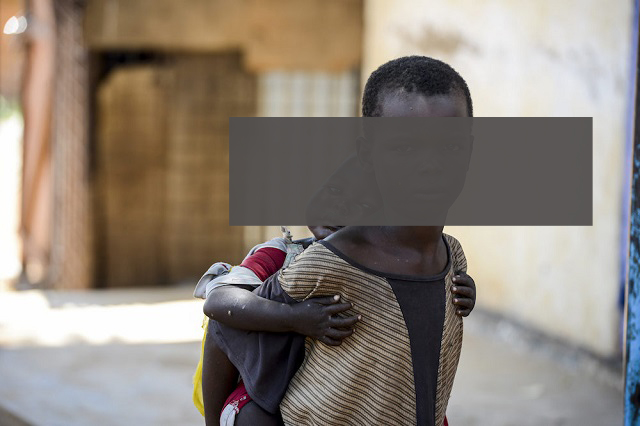
About two weeks ago, while travelling home by bus, I overheard a conversation that left my mind unsettled.
Two gentlemen seated next to me were speaking about the rising presence of children on the streets of Eswatini—children who aggressively beg from motorists, loiter in parking lots, or idle near shops.
Their position was clear: society must stand up against this behaviour, as it breeds entitlement and portrays a worrying future. To them, “street kids” are a public nuisance. They argued it is our collective duty to curb this growing trend before it spirals further out of control.
| Eswatini Observer WhatsApp Channel
While this concern is valid, I believe society often applies an outdated lens to the issue. I hold a different view: these children are not self-made. No child chooses to live a life of begging and rejection. They are born into families—or what should have been proper homes. And therein lies the deeper issue—a broken family system and a failing social safety net.
Beyond the Surface
We label these children as wayward, rebellious, or disrespectful—which may be true in some cases. We complain about their boldness, their perceived lack of gratitude, and how they make the streets untidy. But have we stopped to ask: how did they get there?
Behind every street child is a breakdown of love, guidance, and protection. Many of these children come from families shattered by economic hardship and social decay. They are not roaming the streets simply because they are unruly, but because they lack something fundamental—love, safety, and hope.
‘Street Kids’ Everywhere
When we talk about street children, we often picture those in Mbabane, Matsapha, or Manzini. Yet many are in our communities—loitering by shopfronts or roadside corners from morning until late.
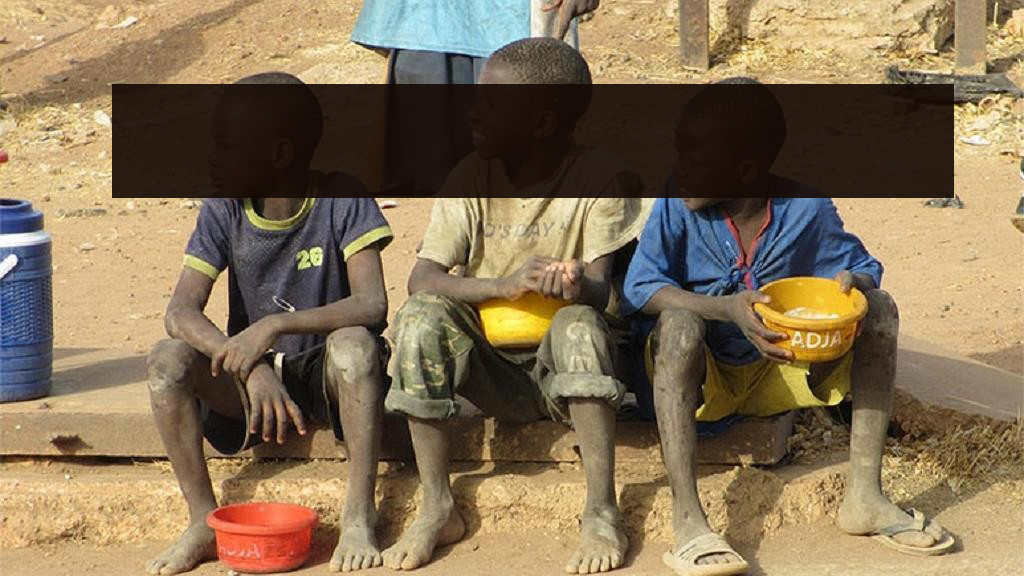
Though some return home at night, they go to houses, not homes; to affectionless and despair-ridden structures. Their parents, worn down by financial strain or alcoholism, struggle to provide even a single meal. Others return home late to avoid landlords or loan sharks. Domestic violence further erodes the little security left.
These children are not born defiant—they are casualties of broken families and a crumbling social safety net.
Broken Families, Broken Systems
The roots of this crisis lie in poverty, unemployment, domestic violence, and unplanned pregnancies. Divorce, absent parents, and parental alienation compound the problem.
In Eswatini, the societal safety net is eroding. We have normalised children slipping through the cracks. But street children are not just begging for food—they are crying for guidance, worth, and love.
What’s at Stake?
Children are the most valuable asset of any nation. If we allow a generation to rot on the streets—socially, emotionally, and economically—we erode our national potential.
These children are not “someone else’s problem.” They are citizens entitled to rights and protection. Their potential is no less than that of a child in a private school.
What if we are quietly losing future leaders, artists, and entrepreneurs—simply because we failed to show up for them?
Lessons from Abroad
-
Norway & Sweden: Early intervention to support at-risk families.
-
UK: Troubled Families Programme pairs struggling families with mentors and social workers.
-
Canada: Community-based youth engagement with school meals, safe spaces, and recreation.
These nations treat vulnerable children with compassion, not criminalisation. Eswatini can—and must—adopt similar approaches.
Call to Action
-
Government: Invest in youth centres, parenting programmes, counsellors, and mental health services.
-
Churches: Go beyond the pulpit—offer mentorship, after-school care, and support.
-
Businesses: Through CSR, fund education, sponsor street-to-school programmes, and partner with NGOs.
-
Civil Society: Lead prevention efforts; communities must protect their children.
-
Parents: Promote responsible parenting, delay teenage pregnancies, and seek community support when overwhelmed.
Our Values
-
Ubuntu: “I am because we are.” A child lost is a loss to us all.
-
Equity and Justice: Every child deserves a fair start.
-
Hope and Dignity: Every child has potential—let us restore their belief in themselves.
Final Thoughts
No matter how familiar the sight becomes, children on the streets must never be normalised. They are not born broken—they are broken by systems that failed them.
Let us stop calling them “street kids” with disdain. Let us call them our children—the future of this nation.
📩 Feedback & Correspondence:
Email: johnpires@live.com | Mobile: +268 7606 5993 | WhatsApp: +268 7602 7758
Eswatini Observer Press Reader | View Here