




A staggering 1 994 cases of gender-based violence (GBV) were reported to the police within the first three months of 2026, with 22 people losing their lives in related incidents during the same period.
The alarming figures were revealed by National Commissioner of Police (NatCom) Manoma Vusi Masango yesterday during the National GBV Indaba (symposium) held at The Luke Commission under the theme ‘Safer Communities: A Collective Response to Eliminating GBV’.
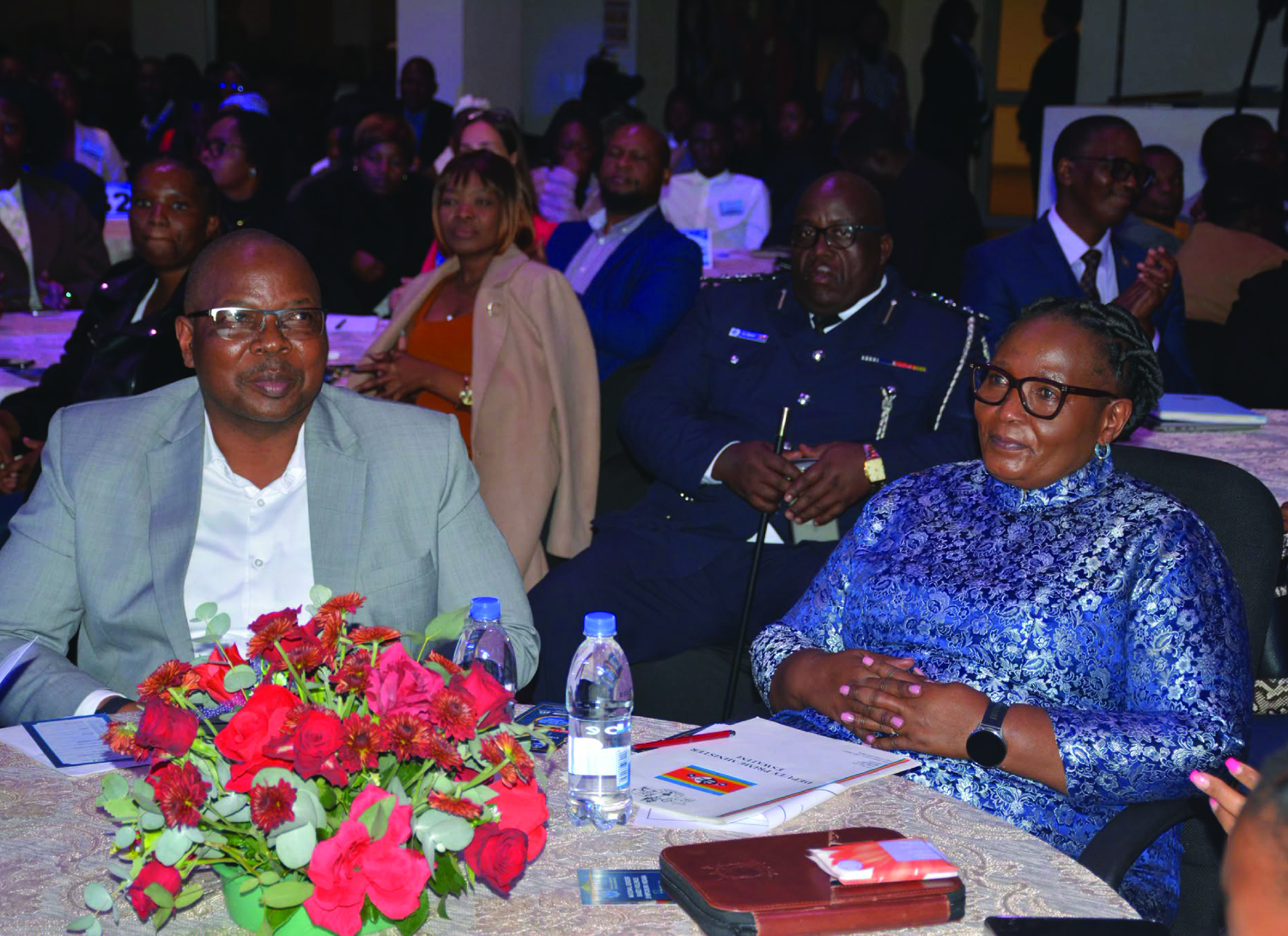
The two-day gathering was organised by the Royal Eswatini Police Service (REPS) in partnership with various stakeholders in response to escalating GBV cases across the country. It brought together key decision-makers and community leaders, including Deputy Prime Minister Thulisile Dladla, parliamentarians, government officials, traditional leaders, faith-based organisations, civil society representatives and development partners.
United by a common goal, the participants engaged in discussions aimed at identifying practical solutions to curb GBV and create safer communities.
Addressing delegates, Masango described GBV as one of the most pressing challenges facing the country, noting that despite ongoing interventions by law enforcement agencies, cases continue to rise.
“Although we are only halfway through 2026, we have already recorded a significant number of GBV cases. Between January 1 and March 31, 1 994 GBV incidents were reported to the police,” he said.
According to Masango, the Manzini region recorded the highest number of GBV cases during the period under review.
He further revealed that GBV-related murders remained a major concern, with 22 deaths recorded nationwide. The Hhohho region accounted for the highest number of fatalities at eight, followed by Manzini and Lubombo with five cases each while Shiselweni recorded four.
He said of the 22 victims, 16 were female and six were male.
Masango pointed out that children were among those hardest hit by the scourge.
“Seven of the victims were minors under the age of 17 while three were aged between 18 and 24. Six victims were between 25 and 59 years old and another six were aged 60 and above.
“What is particularly disturbing is that many of the perpetrators were people trusted by the victims, including spouses, romantic partners, parents and close family members,” he said.
Masango also linked GBV to a growing number of murder-suicide incidents, where perpetrators allegedly killed their partners and children before taking their own lives, often in an attempt to evade arrest or escape the consequences of their actions.
Despite the grim statistics, NatCom reaffirmed the police service’s commitment to strengthening its response to GBV through survivor-centred policing, improved investigative capacity and strict enforcement of the law.
He, however, stressed that policing alone could not eradicate the crisis.
“The fight against GBV requires a coordinated and multi-sectoral response. Government, law enforcement agencies, communities, traditional leaders, faith-based institutions and academia all have a critical role to play in addressing this challenge,” he said.
Masango urged communities to break the culture of silence surrounding GBV by reporting incidents without fear, supporting survivors and ensuring perpetrators are held accountable.
“We must move from silence to action. Victims should be supported rather than stigmatised, and perpetrators must face the full consequences of their actions. Only then can we dismantle the culture of impunity that allows violence to continue,” he said.
He emphasised that the responsibility for ending GBV extends beyond law enforcement.
“As the REPS, we cannot solve this crisis in isolation. True safety begins in the home and is strengthened by the church, community and the State,” he said.
Masango called on all stakeholders to ensure that the Indaba serves as a turning point in the country’s fight against GBV.
“Let this dialogue ignite a fundamental shift in our national consciousness. Let us leave here not only with resolutions, but with a renewed commitment to protect the vulnerable, hold each other accountable and build a lasting legacy of peace, safety and dignity for all Emaswati,” he concluded.