


THE Ministry of Health has cautioned the public against the growing use of ashwagandha, a herbal supplement that has gained popularity among locals seeking relief from stress and anxiety.
The product has increasingly been promoted on social media and through word of mouth, with some users claiming it helps them become ‘numb’ to problems and stressful situations around them.
However, Programme Coordinator for Non-Communicable Diseases (NCDs) under the Ministry of Health, Vusi Shabangu, warned that such effects could pose risks and the purported benefits of the product have not been sufficiently proven scientifically.
Shabangu said ashwagandha is a traditional herb containing compounds that affect the body and mind.
He said many users reported that they no longer felt stress after taking the product, which he argued could affect a person’s ability to respond appropriately to challenges and dangers.
Shabangu explained that stress was a normal part of life and served an important function in helping people respond to challenges and danger.
“The way some people describe their experience with ashwagandha suggests they become less responsive to stressful situations. People need a certain level of stress to function normally and react appropriately to risks,” he said.
He argued that using substances to suppress stress without addressing underlying problems was not a healthy long-term solution.
“People may be ignoring the source of their stress rather than dealing with it. Once the effects wear off, some may feel the need to take higher doses,” he said.
Shabangu compared the trend to the use of alcohol as a coping mechanism, saying people often seek temporary relief without addressing the root cause of their problems.
He further claimed that many users were encouraging others to try the product, particularly among unemployed youth facing economic hardships.
“Many young people are facing challenges and may be looking for ways to escape reality instead of finding lasting solutions. While under the influence of the product, they may temporarily forget their problems, but those problems remain,” he said.
Shabangu warned that excessive reliance on such products could affect people’s ability to meet their daily responsibilities.
“People still need to pay bills, meet deadlines and fulfil their obligations. If they become indifferent to these responsibilities, it could negatively affect families and society as a whole,” he said.
He also raised concerns about possible health risks associated with ashwagandha use, particularly for people taking medication for chronic conditions.
“Ashwagandha may lower blood sugar and blood pressure. If a person is already taking medication for those conditions, there is a risk of compounding the effects, which could be dangerous,” he said.
Shabangu further alleged that the herb could affect liver function in some individuals and cautioned that its sedative properties may interact with other medications, including antiretroviral treatment (ARVs).
“The issue of ashwagandha may not end well for many people and their families if its use continues without proper understanding of its effects,” he said.
Research has suggested that ashwagandha extracts may help lower stress, anxiety and cortisol levels, contributing to the product’s growing popularity amid economic challenges and rising unemployment.
The product has gained significant traction in recent months, with consumers increasingly purchasing it from pharmacies and other outlets as a natural remedy for stress and anxiety.
Shabangu acknowledged that the popularity of ashwagandha may be linked to the pressures many people are facing.
He noted that traditional products can also have powerful physiological effects.
“Some traditional plants and remedies can significantly affect the body. If used incorrectly, they can lower blood sugar levels beyond safe limits and potentially cause serious harm,” he said.
Shabangu also questioned whether consumers were receiving accurate information about dosage levels.
“Anyone can print a label and package a product.
In conventional medicine, dosage is determined after assessing factors such as a patient’s age, weight and medical condition. With ashwagandha, people may be taking doses without proper guidance, which could put their health at risk,” he said.
He added that although many people purchase the product because it makes them feel better, the Ministry of Health had not documented sufficient scientific evidence to support its widespread use as a stress-management intervention.
About Ashwagandha
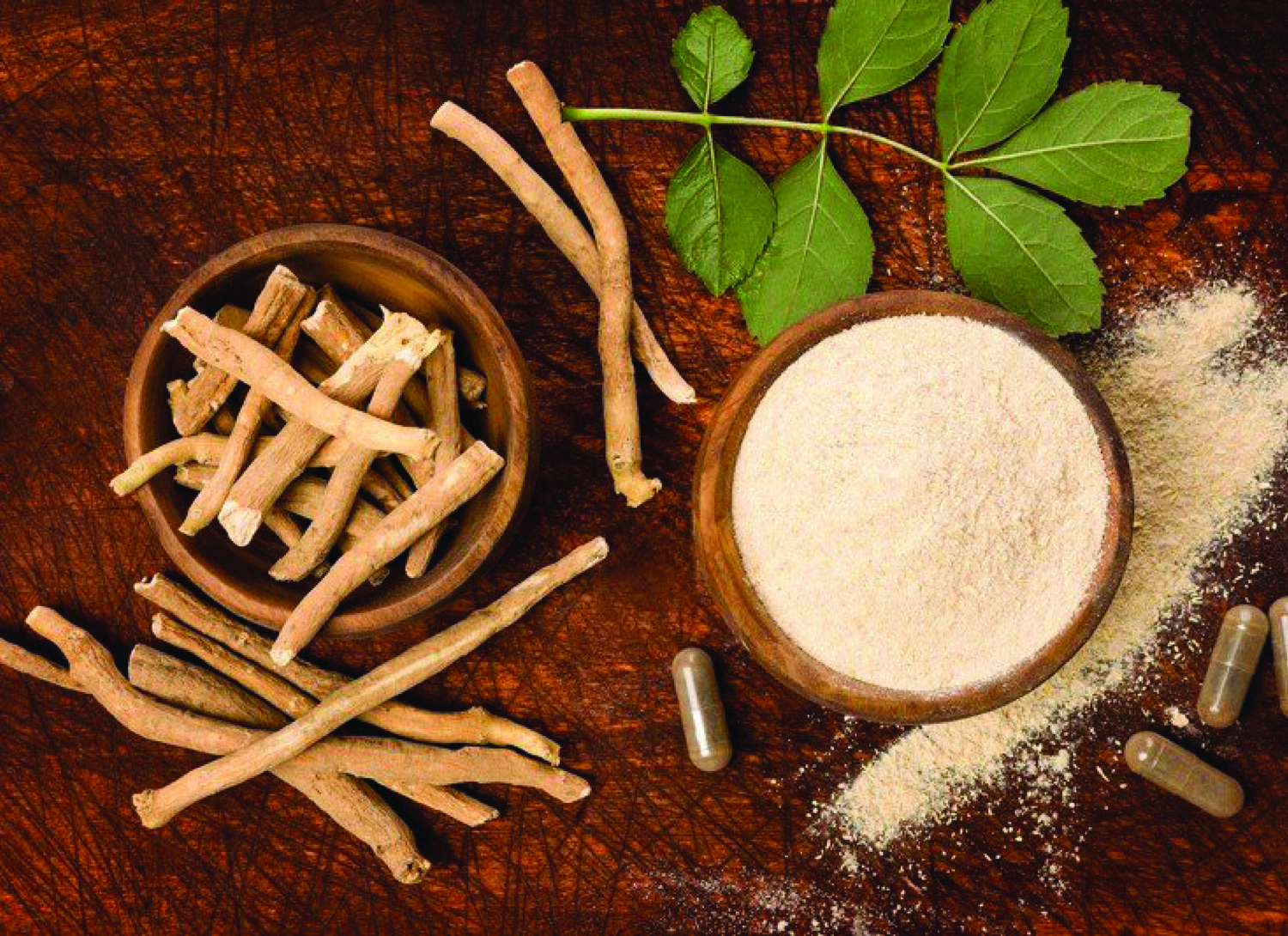
Ashwagandha (Withania somnifera) is a small evergreen shrub native to India, the Middle East and parts of Africa. Known as “Indian ginseng”, it is a staple in Ayurvedic medicine and is classified as an adaptogen — a botanical believed to help the body resist and adapt to physical and mental stress.
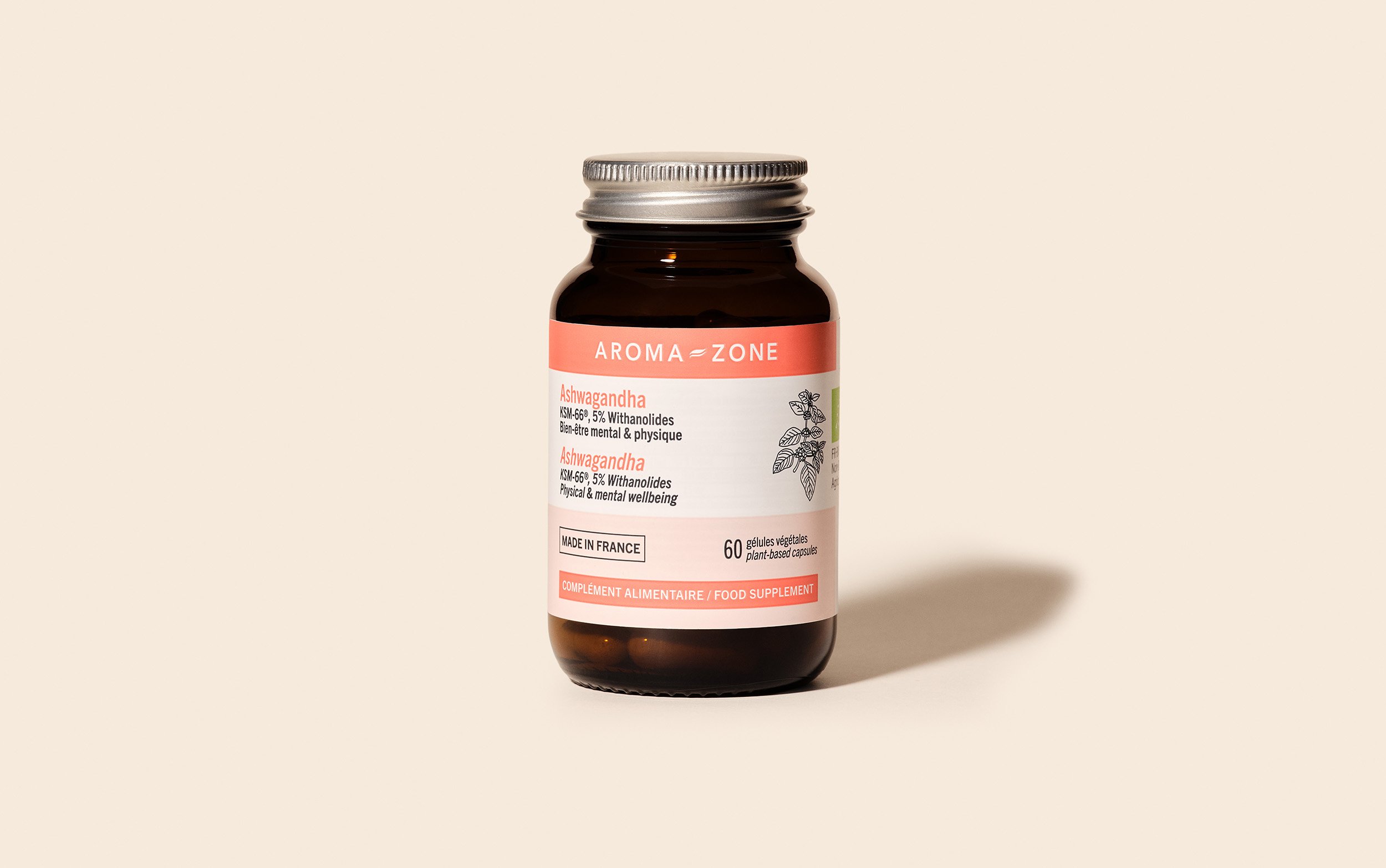
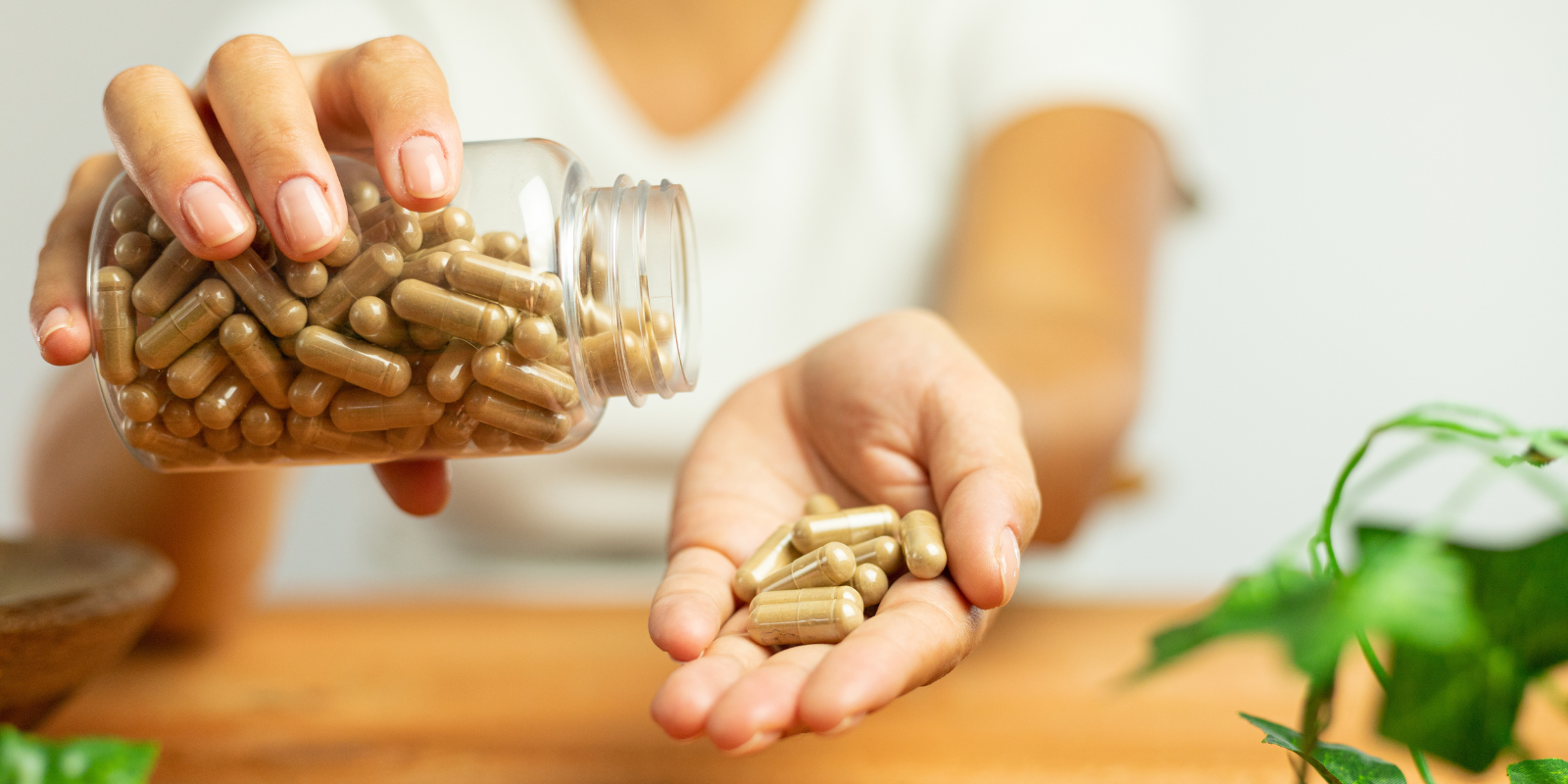
Ashwagandha comes in four primary supplement formats: capsules/tablets, powder, liquid extracts and gummies. These can be formulated using the plant’s root, its leaves, or a combination of both. Choice of format often depends on daily routine, dosage needs and taste preference.
Additional Context (Not In Article)
-
Ashwagandha has become one of the fastest-growing herbal supplements globally, particularly among people seeking natural approaches to stress management.
-
While some studies suggest potential benefits in reducing stress and anxiety, health experts generally recommend consulting healthcare professionals before using herbal supplements, especially when taking prescription medication.
-
Interactions between supplements and medicines can vary depending on dosage, medical history and underlying health conditions.
-
The Ministry of Health’s concerns come amid a broader global conversation about the regulation, safety and marketing of herbal and wellness products.