



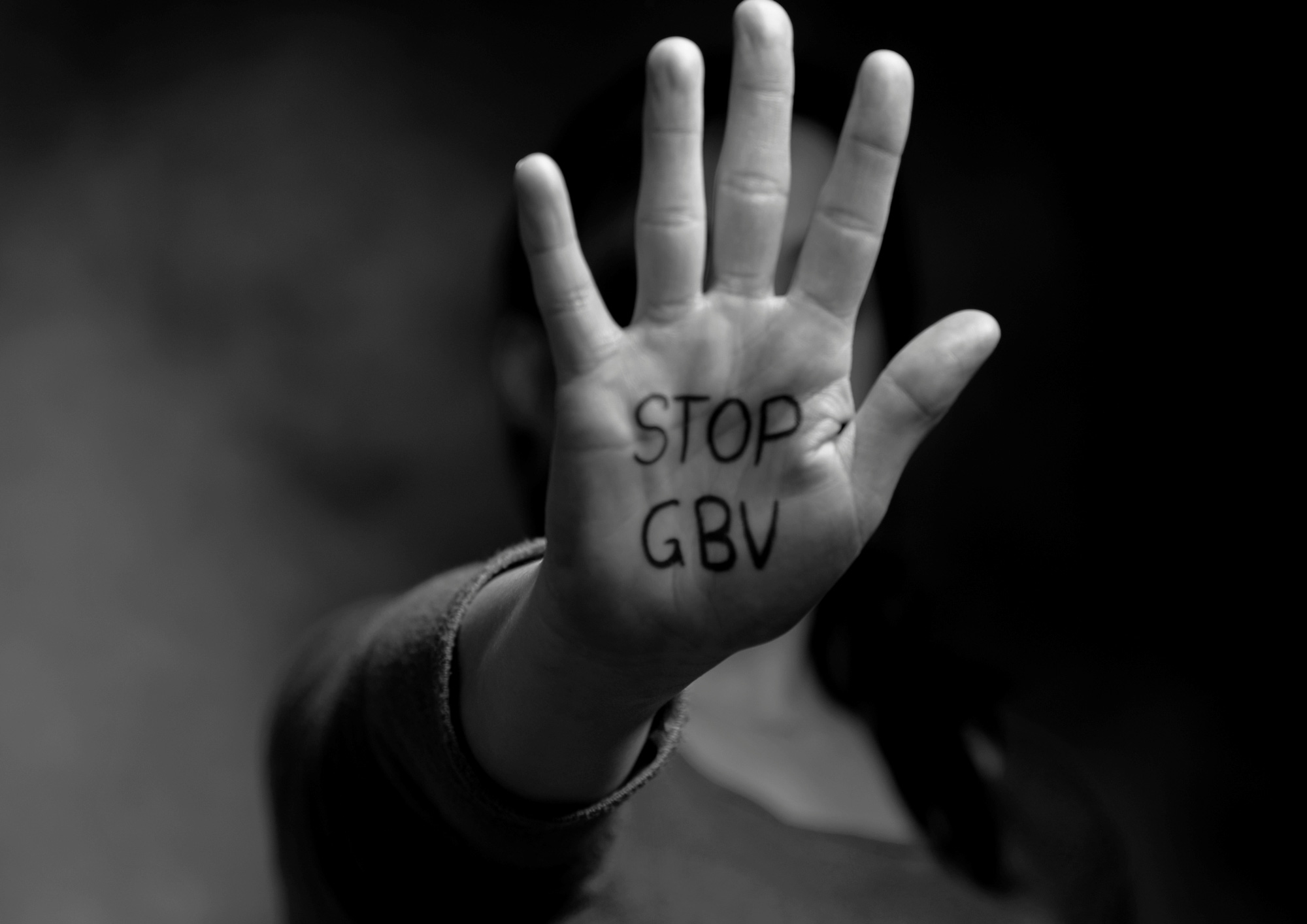
Statistics on femicide and gender-based violence (GBV) have shown that most women are killed in passion murders.
Research done by the United Nations Population Fund shows that one in two women in the country report physical abuse by a current or former partner.
“Married women face the highest risk at 66.5%,” the report states.
The study done in 2024 identified 145 intimate partner femicides between 2009 and 2022, which translates to about 10 women a year killed by someone they knew, and the past few years have made that pattern visible.
According to the report, the end of 2023 was marked by a cluster of killings that shocked the country. On October 28 at Goje Township in Ezulwini, four women were shot dead by a prosecutor who is currently going through trial at the High Court. Two weeks later, on November 2 in Ngwane Park, a woman was shot and killed by her husband.
About nine days after that, on November 11, another woman was stabbed to death at Siphocosini bus station, in front of commuters.
His Majesty King Mswati III publicly condemned the killings in the same month, saying there is no justification for the killing of women by their intimate partners. Deputy Prime Minister Thuli Dladla also called ending violence against women her top priority.
During the first months of 2026, the country again witnessed more cases of femicide and murders related to GBV.
The Royal Eswatini Police Service reported 22 GBV-related murder cases between January and March. Out of those cases, 16 of the victims were women. About eight were in the Hhohho region, five in Manzini, five in Lubombo, and four in Shiselweni.
The statistics revealed that seven of these cases involved minors under the age of 17 years.
ALSO READ | ‘1 994 GBV cases, 22 deaths in three months’
The most recent cases were reported last month and yesterday, where two more cases have added to the grief suffered by many families.
A female teacher whose body was found in the boot of her car was reportedly murdered, allegedly by a man she knew. This case circulated widely and reignited calls for safer workplaces and communities by people, mostly on social media platforms and by those who are advocating for women’s rights.
This incident occurred just as the country had still not recovered from a case of a pastor who allegedly murdered four women at Mfabantfu. This is a case that shook faith communities and raised questions about power, trust and accountability.
Organisations like SWAGAA have been calling for government to declare GBV a national emergency.
The data provided by UNFPA suggests that the risk is highest in intimate relationships, marriage, poverty and in urban areas like Manzini where IPV rates reach 57.5%.