


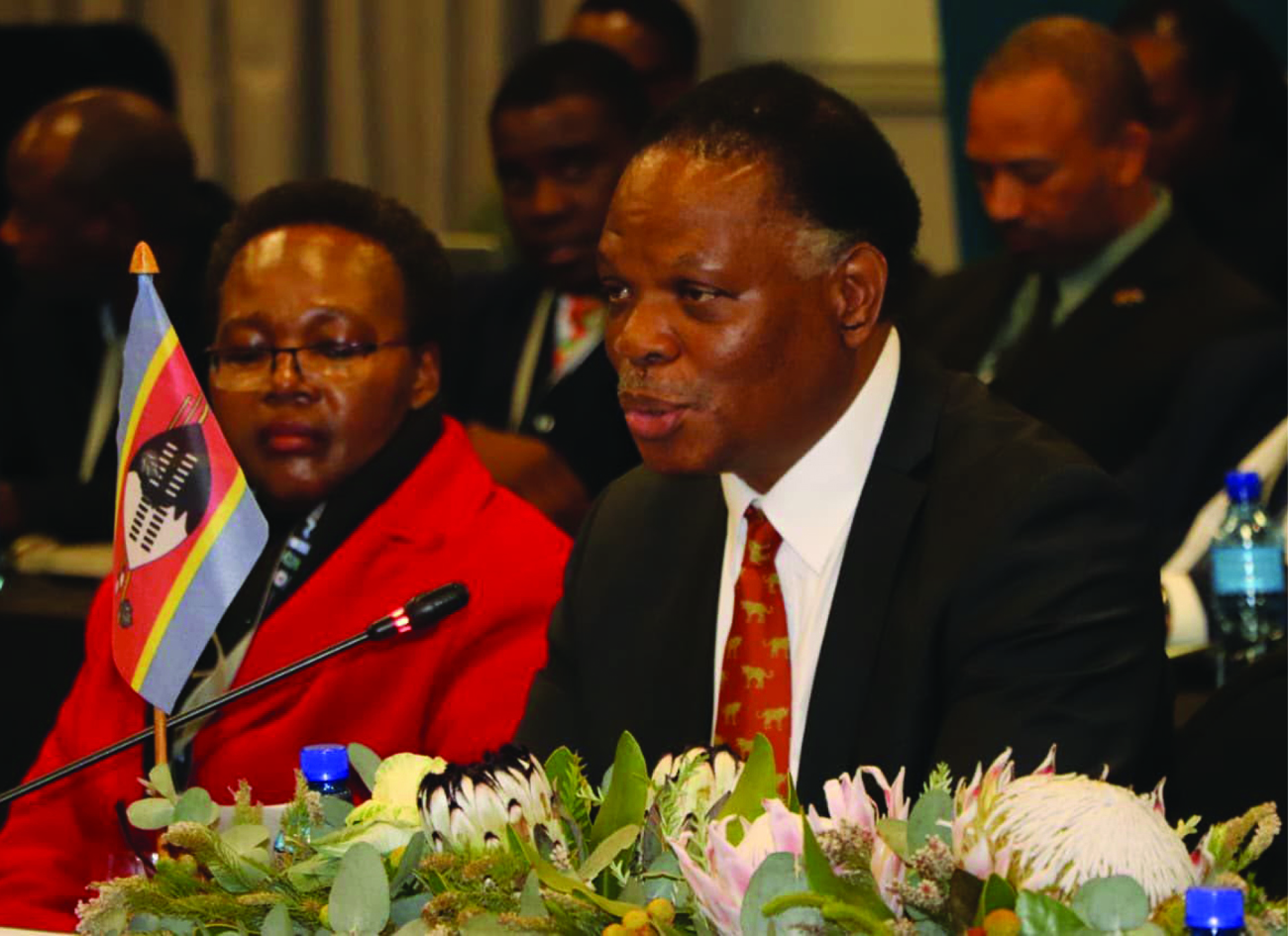
Regional cooperation on shared water resources is no longer simply an environmental obligation, but a critical economic and developmental necessity for Southern Africa, says Minister of Natural Resources and Energy Prince Lonkhokhela.
Speaking at the inaugural Council of Ministers meeting of the Incomati and Maputo Watercourse Commission (INMACOM) held at the Birchwood Hotel in Boksburg, the minister said collaboration between Eswatini, South Africa and Mozambique over shared river systems would determine the region’s long-term economic resilience, food security and climate preparedness.
“Cooperation under INMACOM is not just an environmental imperative; it is an economic and developmental necessity. Collaboration in the management of shared water resources unlocks opportunities for sustainable energy generation, enhanced agricultural productivity and robust ecosystem resilience,” he added.
The meeting brought together ministers responsible for water affairs from the three Member States and marked the first formal Council of Ministers session since INMACOM was established in 2021. The commission was created to coordinate the sustainable management and protection of the Incomati and Maputo river basins, two strategically important water systems that traverse Eswatini, Mozambique and South Africa.
According to a joint press statement issued after the meeting, the gathering sought to consolidate institutional arrangements, strengthen coordinated governance and advance long-term water security across the region. Prince Lonkhokhela said the river basins are the lifeblood of the three nations’ economies, the anchors of ecosystems, and the foundational support for the livelihoods of millions of the citizens.
“Our water resources are shared, our climate risks are shared, and our prosperity is inextricably linked,” he said, emphasising that the three countries were increasingly interconnected through shared climate risks, growing water demands and economic dependence on transboundary water systems.
The minister further described river basin organisations such as INMACOM as “beacons of regional integration, diplomacy and collaboration” capable of strengthening stability and development in Southern Africa.
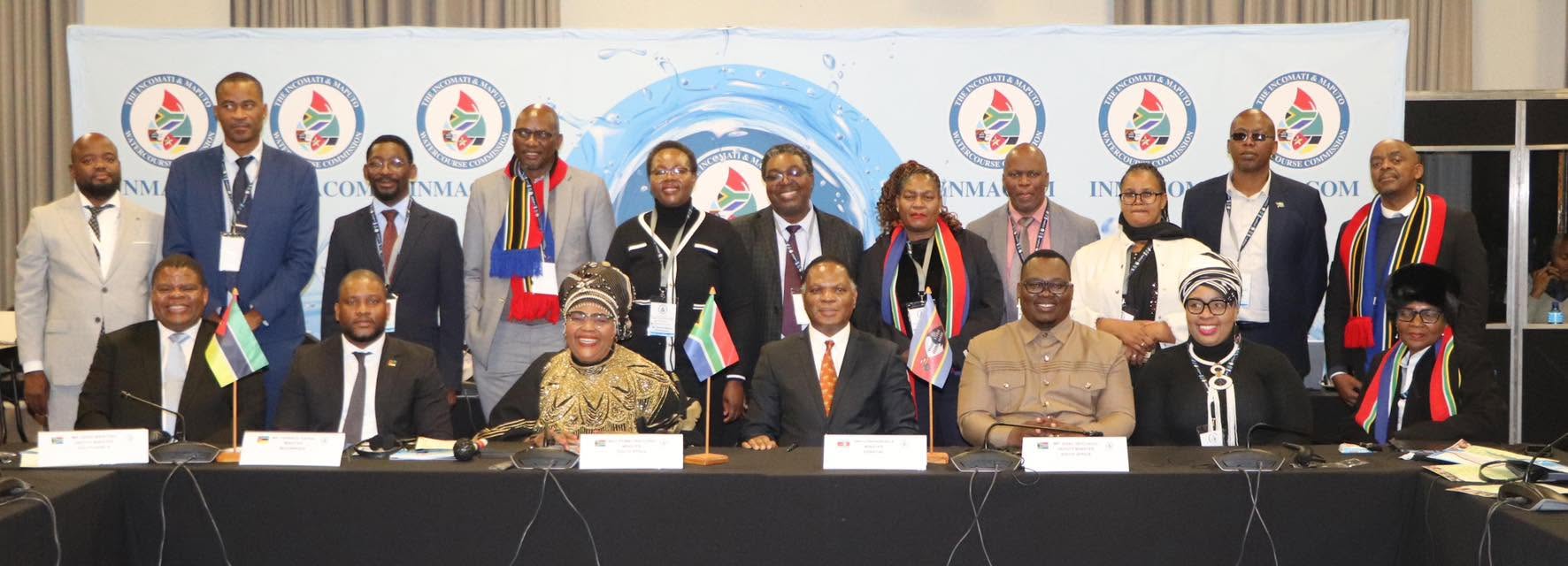
from the three Member States during the inaugural Council of Ministers meeting of the Incomati and Maputo
Watercourse Commission (INMACOM) held at the Birchwood Hotel in Boksburg on Friday. (Courtesy pics)
Officials at the meeting warned that climate change, rising water demand, population growth and environmental degradation continue to place mounting pressure on the shared systems, making stronger regional coordination increasingly urgent.
South Africa’s Minister of Water and Sanitation Pemmy Majodina said the inaugural meeting represented far more than a procedural milestone. “Rivers do not acknowledge borders; they connect landscapes, communities, economies and ecosystems. In doing so, they remind us that our futures are inextricably linked,” she added.
Mozambique Minister of Public Works, Housing and Water Resources Fernando Rafael said cooperation among the Member States had already produced tangible benefits through improved coordination and joint project implementation.
The meeting also saw South Africa formally hand over the chairmanship of INMACOM to Mozambique after serving as chair for the past five years. Ministers considered and approved INMACOM’s audited financial statements, management reports and annual workplan and budget for the 2026/27 financial year.
Regional experts have increasingly argued that Southern Africa’s future economic stability would depend heavily on effective water governance as droughts, floods and climate shocks intensify. For the kingdom in particular, the shared river systems remain critical to irrigation, hydroelectric generation and agricultural productivity.