



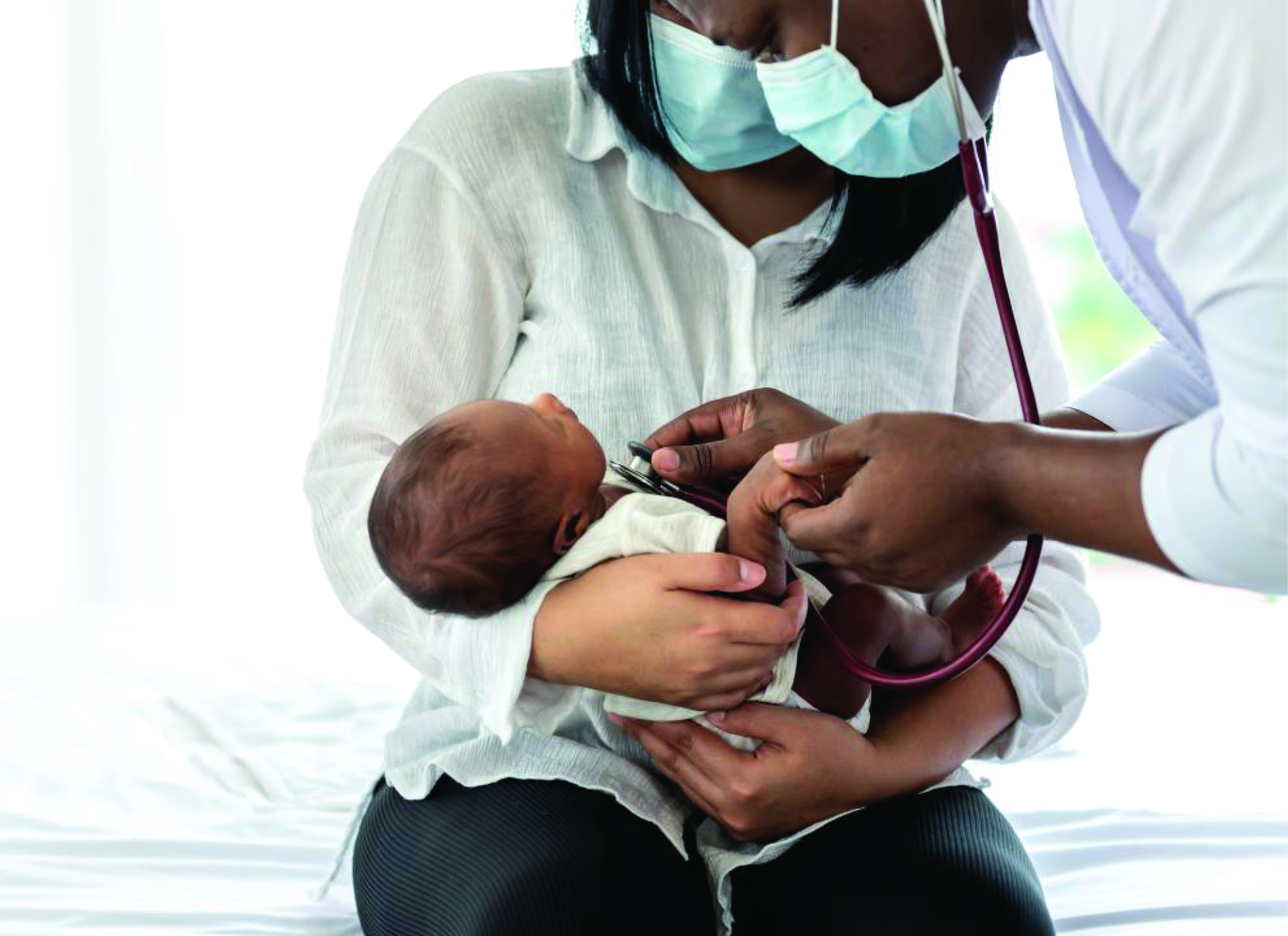
The country has recorded notable progress in maternal and newborn health, with institutional maternal deaths showing a declining trend, although the health report says mortality levels remain a concern and require continued intervention.
According to the 2025 Sexual and Reproductive Health (SRH) Programme Performance Report, institutional maternal deaths have shown a downward trend from a baseline high mortality level of 107 cases to 100, reflecting progress in reducing preventable deaths.
The report indicates improvements in antenatal care (ANC) services, with 26 286 total deliveries recorded across health facilities nationwide.
Of these, 69 per cent of women received ANC services, reflecting continued efforts to improve maternal health monitoring during pregnancy.
Quality of antenatal care services also showed mixed results. Blood pressure screening reached near-universal levels, while folic acid supplementation and urinalysis services were also widely available, although some gaps in consistency remain.
Health officers say early detection services during pregnancy remain critical in reducing complications, with improved screening contributing to safer deliveries.
However, newborn outcomes still present concerns.
The report shows that two per cent of newborns were reported dead at discharge, while one per cent were recorded as sick and requiring ongoing treatment.
Health experts warn that despite progress in service delivery, newborn mortality remains an area needing urgent attention, particularly in improving quality of care during and after delivery.
The report calls for strengthened maternal health systems, improved emergency obstetric care, and continued investment in antenatal and postnatal services to sustain the gains achieved so far.