One night of strong winds may tear off a roof. One season of drought can tear apart an economy. Eswatini has experienced both.
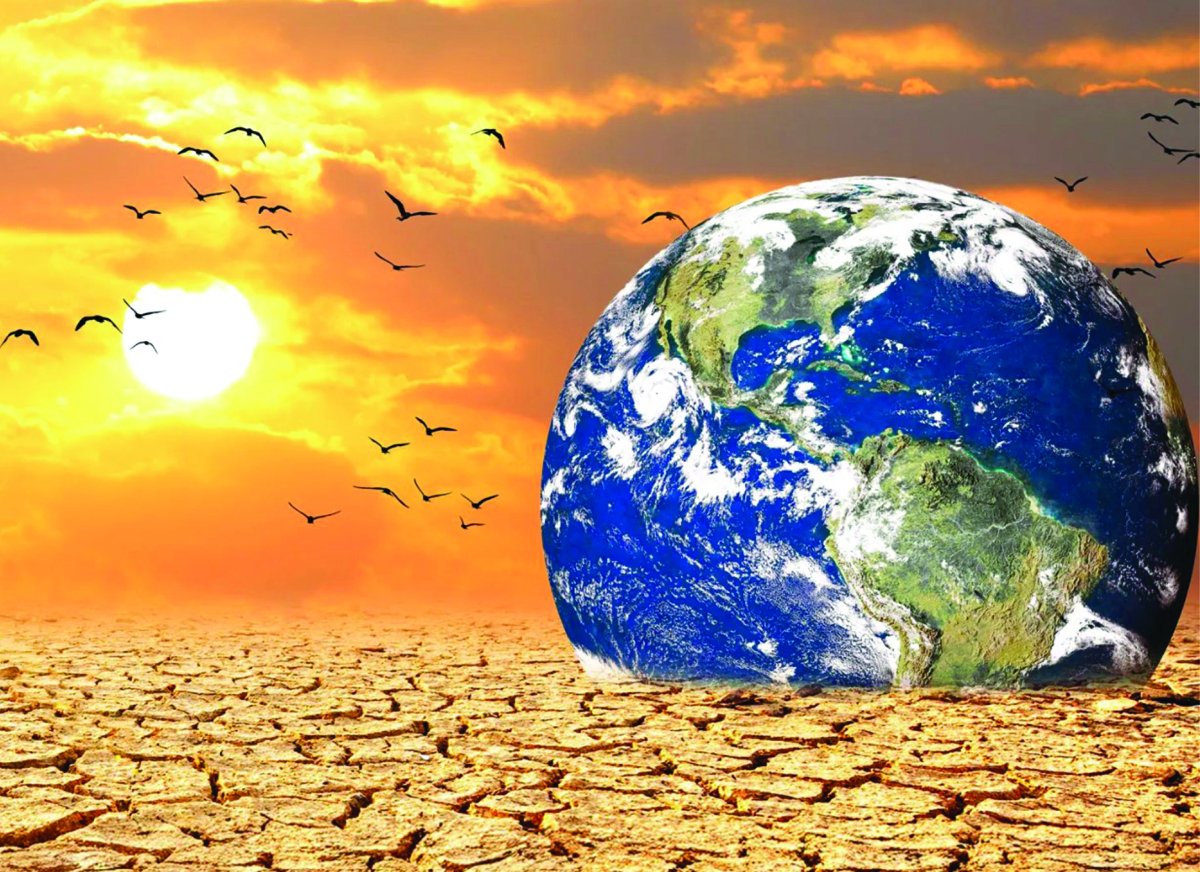
A decade ago, the country endured one of the harshest El Niño episodes in its history. Rivers shrank, grazing land disappeared, crop fields withered under relentless heat and thousands of families faced food insecurity. Water supplies came under immense pressure, livelihoods were disrupted and national development suffered a major setback. The economic cost exceeded E3.8 billion, making it one of the most expensive climate related disasters the kingdom has ever experienced.
The financial losses were immense, but the greatest cost would be failing to learn from them. The previous El Niño demonstrated that preparedness is not an expense to be avoided but an investment that protects lives, livelihoods and national development. Today, that lesson is becoming relevant once again.
The World Meteorological Organization has indicated a high likelihood that El Niño conditions could develop during the latter half of 2026, with probabilities increasing significantly towards the end of the year. The United States National Oceanic and Atmospheric Administration has also maintained an El Niño Watch, while the Eswatini Meteorological Services has advised that although current winter conditions remain generally favourable, the developing climate signals require continued monitoring.
The emerging climate outlook should not be interpreted as a declaration that Eswatini is heading towards another drought, nor should it be assumed that the country will experience the same conditions that prevailed during the 2015 to 2016 El Niño event. Climate systems are influenced by numerous factors, and every El Niño develops differently in terms of timing, intensity and local impacts.
What the current scientific outlook provides is an opportunity for the nation to strengthen its preparedness while conditions remain favourable. Experience has shown that investments made before a crisis unfolds are more effective and considerably less costly than emergency interventions implemented after livelihoods have already been affected.
Disaster risk reduction is built on a simple principle. Hazards such as droughts, storms and floods are natural phenomena, but disasters occur when societies are unprepared to withstand them. The difference between a hazard and a disaster is often measured by the decisions made long before the emergency begins.
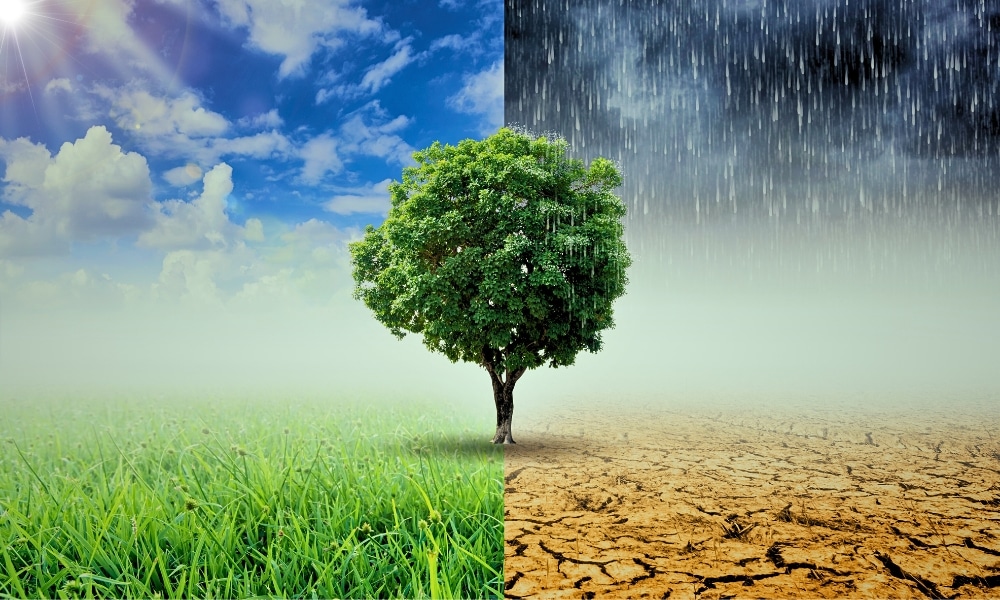
Recent localised winter storms that damaged homes in parts of the country have challenged long held assumptions about seasonal weather. Winter has traditionally been associated with cool temperatures and dry conditions, but increasingly frequent strong winds and isolated storms suggest that climate variability is altering familiar weather patterns and exposing communities to hazards outside their expected seasons.
Preparedness can therefore no longer be regarded as an activity that begins when an emergency warning is issued. It should become an integral part of household planning, community development and national resilience building.
The experience of previous climate shocks has shown that countries which invest in risk reduction before disaster strikes are better positioned to protect lives, livelihoods and economic growth when hazards occur.
One of the most immediate priorities is the protection of water resources. During previous El Niño events, reduced rainfall and increased evaporation placed severe pressure on dams, rivers, boreholes and household water supplies. Every litre conserved today strengthens national resilience tomorrow.
READ MORE | Woman (50) hacks burglar to death
Households should repair leaking pipes, harvest and store available water where possible and avoid unnecessary wastage. Communities should safeguard communal water points and local authorities should intensify maintenance of water infrastructure to minimise losses.
Food security deserves equal attention. Many households have recently harvested crops and this presents a valuable opportunity to build resilience. Rather than rushing to sell harvested produce because supplies appear abundant, families should carefully preserve their food stocks and assess how long they may need to sustain the household should climatic conditions deteriorate later in the year. Proper storage reduces post-harvest losses and provides an important buffer against future uncertainty.
Farmers have an equally important role to play. The current period should be used to protect seed reserves, secure livestock feed, conserve fodder and prepare for efficient water use. Conservation agriculture, rainwater harvesting, soil moisture preservation and climate smart farming techniques are investments that strengthen resilience regardless of whether El Niño becomes weak, moderate or severe.
The nation must also take wildfire prevention seriously. Winter is traditionally associated with dry vegetation, and the temptation to burn grasslands or crop residues remains common in many areas. Such practices destroy valuable grazing resources, damage soil quality, threaten biodiversity and place communities at unnecessary risk of uncontrolled veld fires.
Preparedness also begins at household level. Families should inspect roofs, reinforce loose roofing sheets, repair damaged structures and trim branches that could fall onto homes during strong winds. Important documents should be stored safely, emergency contacts should be easily accessible and households should maintain basic emergency supplies such as torchlights, batteries, first aid materials, essential medication and non-perishable food.
Community preparedness is equally critical. We urge local leaders, neighbourhood committees, faith-based organisations and traditional structures to identify vulnerable households, including elderly persons, people with disabilities and child-headed families who may require assistance during emergencies.
Community contingency plans should be reviewed and local communication networks strengthened so that official warnings can reach residents quickly and accurately.
Preparedness also means protecting the economy. The E3.8 billion lost during the previous El Niño was not confined to the agricultural sector. Reduced productivity affected businesses, water shortages disrupted operations and the broader economy experienced significant strain.
The health sector likewise has a critical role. Climatic stress can increase the risk of water related diseases, respiratory illnesses, malnutrition and other public health concerns.
Perhaps the greatest challenge lies not in preparing infrastructure but in changing mindsets. Too often preparedness begins only after disaster strikes. The principle of anticipatory action offers a better alternative. It recognises that when credible scientific information indicates an elevated risk, early action should follow even while uncertainty remains.
International experience consistently shows that early warning systems achieve their true value only when they trigger timely action. A seasonal forecast should therefore inspire planning rather than panic.
The National Disaster Risk Management Authority continues to work closely with the Eswatini Meteorological Services, government ministries, local authorities and development partners to monitor evolving climate conditions and coordinate preparedness efforts.
As we continue with this process, it would be extremely unfortunate if we were to experience the same catastrophe that the country endured in years past despite having the benefit of early warnings and scientific forecasts. We simply cannot afford that.
We therefore urge the nation to join us in taking these early warnings seriously. Preparedness is a shared responsibility, and history has repeatedly shown that failure to prepare is a disaster waiting to happen.
Contacts
Magman Mahlalela
NDMA Communications Manager
magman.mahlalela@ndma.org.sz