


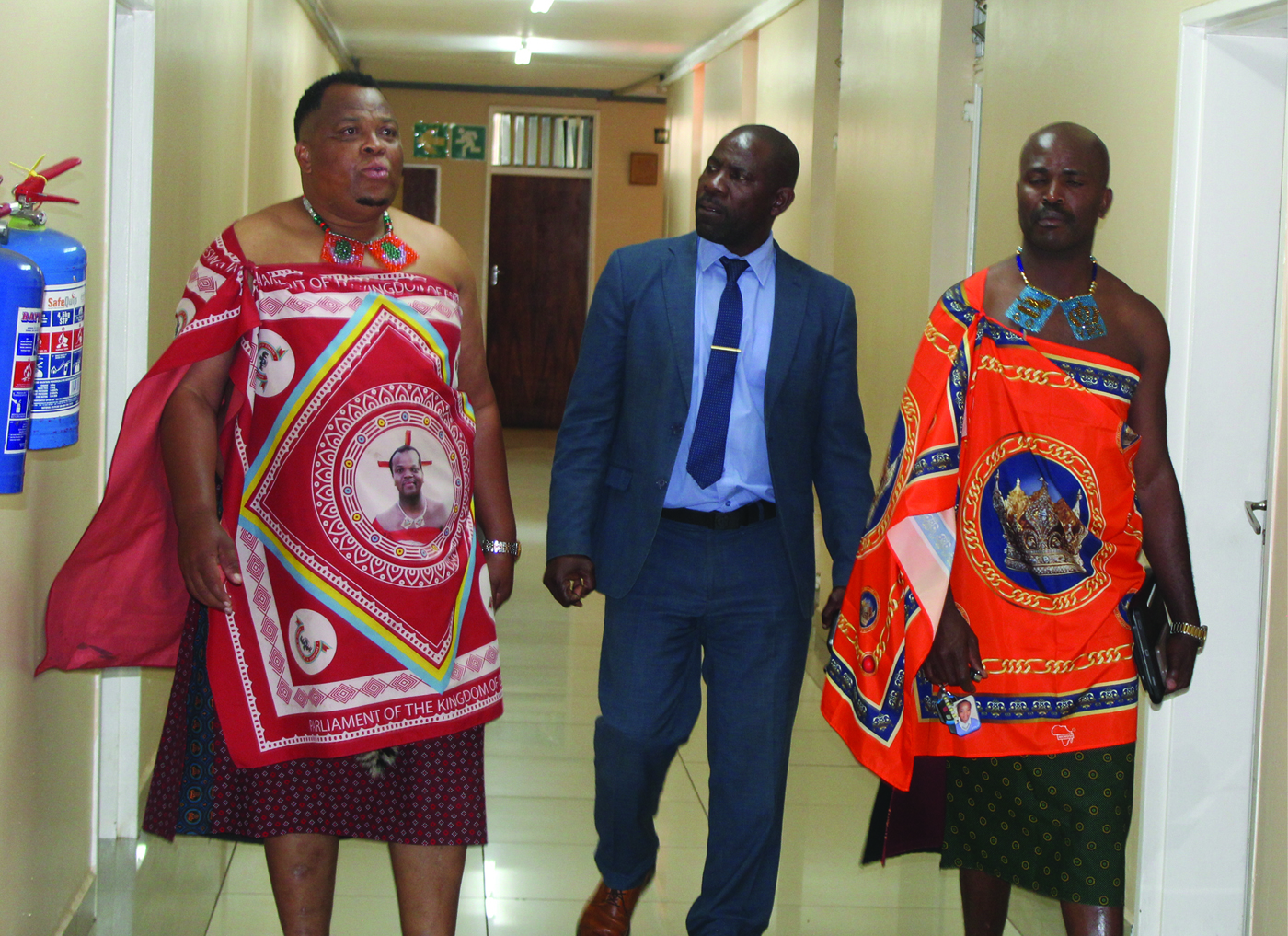
MTFONGWANENI MP Nathi Hlophe says no one has a right to lie, emphasising that mandatory DNA testing is needed because children deserve to know the truth about their paternity.
Hlophe said after all has been said, it was painful to be told about one’s paternity when already old. He said the consequences of considering people’s rights while depriving others of the truth was painful. He asked whose right it was for a child to be given a wrong surname.
“Whose right is it to give a child a surname that is not theirs? Whose right is it to lie? Why would you lie about a child’s paternity? Why are we not stating the truth and living with its consequences? If you have made a mistake, live with the truth,” he said.
He stated that parents make mistakes and lie about it. He said this affects the child in the long run. He said parents die and their children lead miserable lives because of people who hide behind rights.
He asked who was protecting the right of the child when they were saying compulsory DNA testing was a violation of human rights.
CANGO backs call for compulsory DNA testing
THE Coordinating Assembly of Non-Governmental Organisations (CANGO) says there was a lot of social good that was to come out of clarity on people’s paternity through compulsory DNA testing.
This was the reaction of CANGO Executive Director Thembinkhosi Dlamini on the rejection of the compulsory DNA testing motion by MPs on Wednesday.
Dlamini stated that CANGO supported the motion, saying DNA testing should be compulsory.
He stated that, on a balance of scale, there were many benefits of conducting compulsory DNA tests when a child is born compared to concerns that it might violate privacy and rights.
He said one of the rights children have is identity.
He said a child needs to have an identity and locate themselves within a family.
Dlamini added that as Africans, the issue of DNA had spiritual and cultural significance, stating that when they speak about the rights of the child, they would not be able to enjoy them in full if they were not given their original surname.
“The argument to dismiss compulsory DNA testing is still not clear. People have, however, not noted that women might take offence if they could be asked to conduct a DNA test for the child since it has wide-reaching implications for the family, especially because it can come back either negative or positive,” he said.
He stated that if the results come back negative, families would have to find a new arrangement, while if they come back positive, some women might still take offence.
He said DNA testing was expensive but if government could procure DNA testing machines and decentralise the services to all regions, the costs would be lowered.
“Government would pay for the tests upfront but the citizens, as they pay tax, will be the ones to foot the bill. In future, having a database for the whole country is a public good, which means that it should be paid for by government,” he said.
Dlamini, however, stated that there was an element that had to be addressed if the motion was to be passed: whether everyone should be tested or whether the programme should begin with children born after the legislation.
He said this was the aspect that would require further debate.
He said it was necessary for the country to perform mandatory DNA tests for children as there were many incidents showing that matters were not progressing accordingly.