




Eswatini’s celebrated country music icon Cleopatra Methula has soared to the number one position on the Apple Music Country Songs chart with her latest release, ‘Where Do We Hide’.
Launched on June 6, this emotionally charged track has captured the hearts of listeners, mirroring the nation’s escalating struggle with violence, rape, and murder, and cementing Methula’s role as a compelling advocate for justice. The chart highlights Methula’s dominance in this week’s streams, eclipsing global sensations such as Beyoncé and Dolly Parton’s ‘TYRANT’ at second place and Shaboozey’s ‘A Bar Song (Tipsy)’ at third.
The genesis of ‘Where Do We Hide’ lies in a devastating news report about a 13-year-old girl with hearing impairment, who was raped and left for dead, a story that moved Methula to write a song that is both a cry of despair and a plea for action.
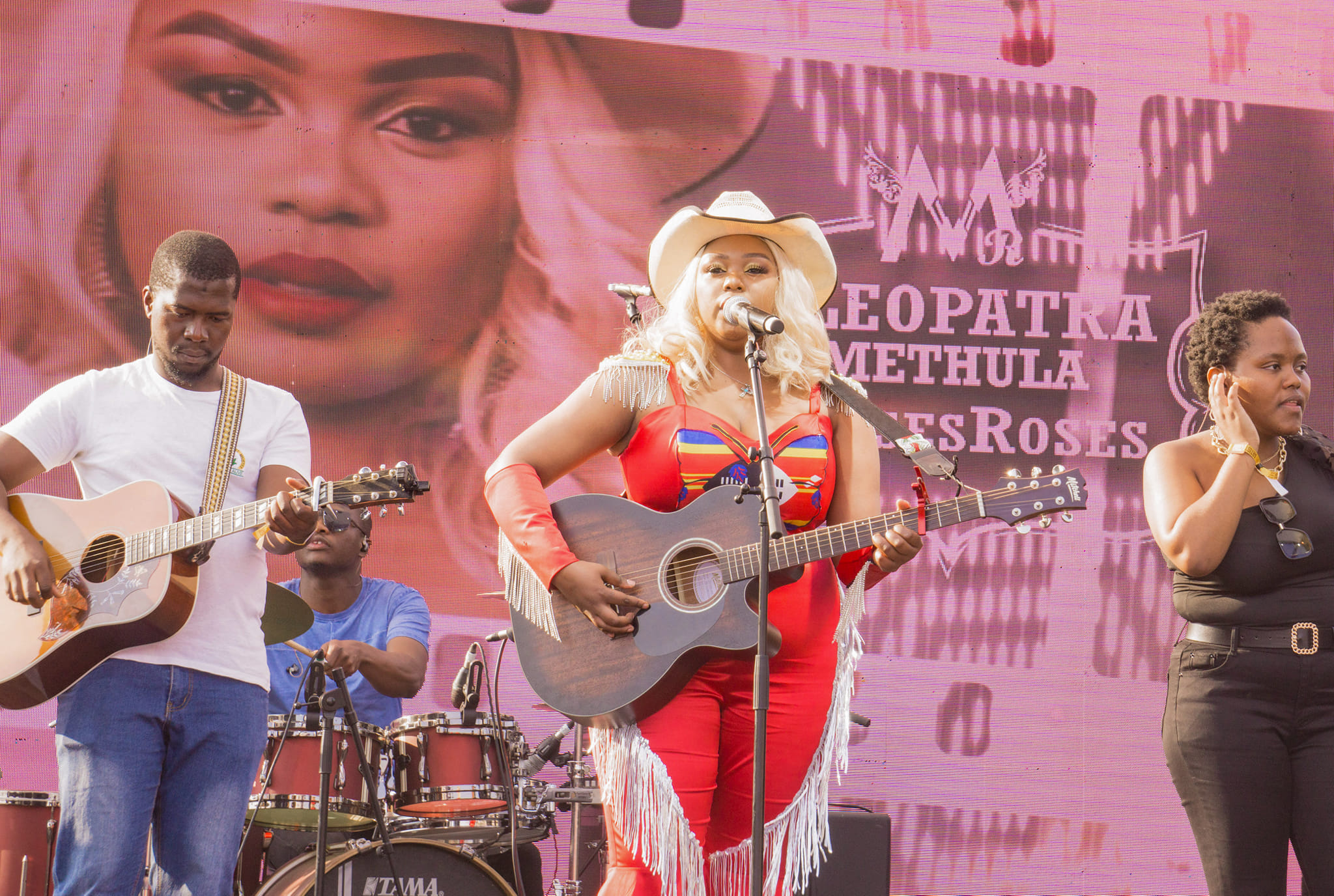
In a June 6 press release, she revealed, “It broke my heart to read about that defenceless child. Who could harm someone unable to defend themselves? These are real lives, real tragedies that shatter us all.” The song confronts the rising tide of brutality across Eswatini and Southern Africa, asking a piercing question: “Where do we hide the ones who can’t fight?”
Methula’s lyrics reflect the daily fear gripping the nation, where violence spares no one; children, women, or the vulnerable.
Since its debut on platforms like Spotify, Apple Music, YouTube, and TikTok, “Where Do We Hide” has ignited conversations nationwide. Fans and activists laud its emotional depth and its challenge to societal complacency. Methula envisions it as a catalyst for change, hoping to unite organisations and individuals in the fight against gender-based violence.
“I’m just a singer with simple songs, but I dream we can stand together, raise our voices, and seek lasting solutions,” she said.
Amid Eswatini’s ongoing battle with crime, Methula’s chart-topping success amplifies her influence. Her music, rooted in cultural heritage and social justice, offers a beacon of hope.
“Why can’t we find peace? Why can’t we safeguard each other. The time to act is now,” she implored.