


GOVERNMENT has received E5 million from the Food and Agriculture Organization (FAO) meant to provide water for livestock, purchase cattle feed and buy drought-resistant seeds for the next ploughing season.
FAO had pledged the funds in an effort to help the country in the midst of the El Niño drought, which threatens crops, livestock and water supplies.
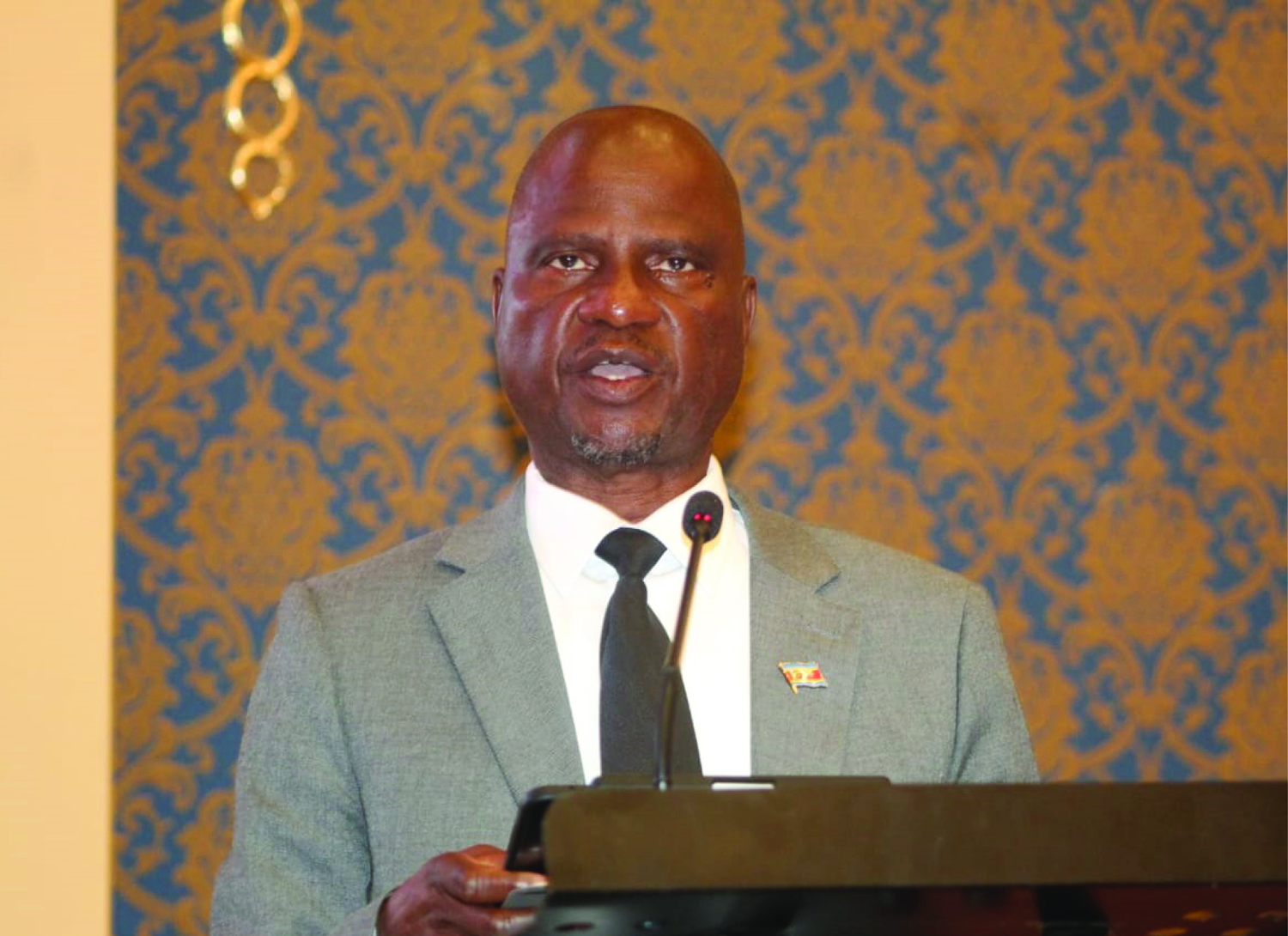
Minister of Agriculture Mandla Tshawuka confirmed on Wednesday that the funds had been received. He said the money would help the country respond to the effects of changing weather conditions.
“The funds are aimed at helping Eswatini respond to El Niño-induced weather shocks, including scarce rainfall and hailstorms that threaten crops and livestock feed supplies,” he said. He explained that part of the money would be used to fill up water tankers, which would supply water to areas where livestock farmers may struggle to access it.
The purchase of drought-resistant seeds is also expected to support farmers during the next planting season. These seeds are intended to help farmers produce crops under conditions of limited rainfall.
Tshawuka secured the E5 million commitment during an engagement with the FAO director-general following the Hand-in-Hand (HiH) Initiative forum in Rome, Italy, over a month ago. The funding comes at a time when government is increasing its efforts to protect farmers from the expected drought, particularly those who depend on livestock for their livelihoods.
Government has already ordered 4 000 bales of hay from South Africa to help farmers feed their animals as the country prepares for possible poor grazing conditions.
The minister said the hay would be made available to farmers at a very low cost. He also encouraged farmers to organise themselves into groups to make it easier for them to access the feed.
The intervention is expected to provide relief to livestock farmers who fear that they may not have enough grass, water or money to maintain their herds if the drought becomes severe.
Their concerns have been made worse by the financial difficulties experienced during the foot-and-mouth disease (FMD) outbreak, which disrupted livestock sales and affected farmers’ income.
Government has also introduced a programme to produce and sell hay bales at a subsidised price of E500 each.
The hay is produced using government machinery and grass harvested from State-owned facilities, including Mpisi Cattle Breeding Station, Manyonyaneni Cattle Breeding Station, Nsalitje Nguni Cattle Breeding Station and other government ranches.
The programme is intended to increase the supply of affordable animal feed before grazing conditions become worse.