



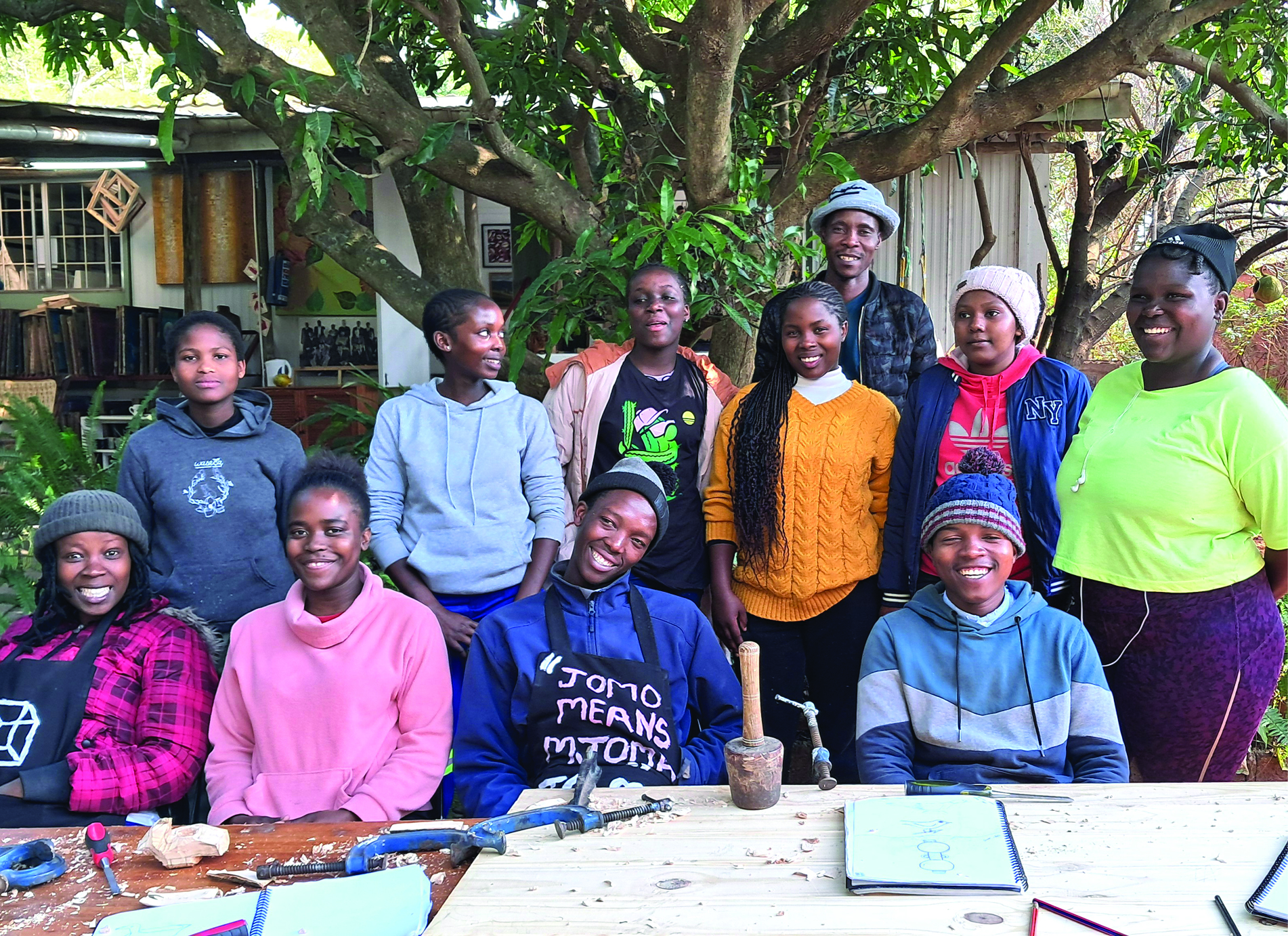
A youth arts programme is giving unemployed youth and school dropouts more than just creative skills; it is providing them with an opportunity to earn a sustainable income through pottery, sculpture and other forms of art.
The initiative, led by Yebo Contemporary Art Gallery Director Aleta Armstrong, recently brought together 10 young people for intensive practical training aimed at equipping them with marketable artistic skills while helping them build a future through self-employment.
Speaking about the programme, Armstrong said many of the participants were young people who had dropped out of school or had struggled to secure employment in an increasingly competitive job market. She said the project was intentionally designed to offer practical solutions by teaching participants skills that could immediately be turned into income-generating opportunities.
“We wanted to create a learning opportunity where young people could develop artistic skills while also seeing art as a business,” she said.
Armstrong explained that the programme was divided into two phases. The first five days focused on design, where participants learnt the fundamentals of creating artistic concepts. This was followed by a 15-day pottery training programme, during which they gained hands-on experience in producing finished products.
Beyond learning pottery and sculpture, participants were also trained to produce fibreglass moulds, allowing them to replicate their designs more efficiently and create products suitable for commercial markets. She said this would enable the young artists to improve the quality and consistency of their products, making them more attractive to customers and increasing their chances of building successful small businesses.
Unlike many short-term training programmes, Armstrong said participants were not left on their own after completing the course. Instead, they were provided with a dedicated workspace where they could continue producing pottery and other artworks while working together as a group.
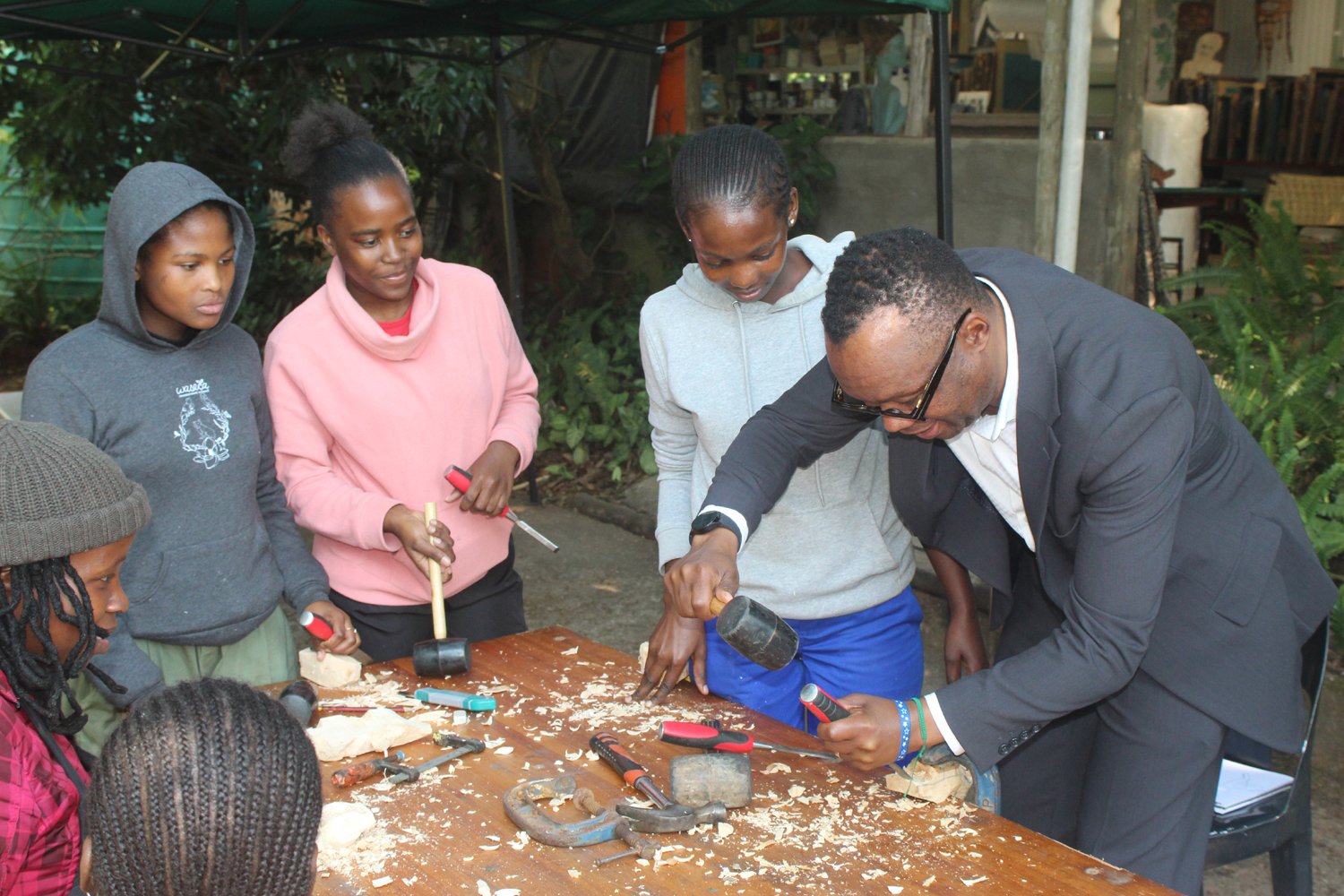
The items they create will be sold, with the proceeds helping them generate income and gradually become financially independent.
“Our goal is not only to teach them skills but to ensure they have a place where they can continue working and earning long after the training has ended,” she said.
Armstrong shared the story of one participant who left school at the age of 12 and is now 15 years old with limited opportunities to support themselves. She said the programme was helping the young participant acquire practical skills that could provide a means of earning a living despite missing out on formal education.
She noted that the initiative is being implemented in partnership with the Ezulwini Municipality, which assisted in identifying eligible participants. Interested young people were invited to apply, with successful applicants selected to take part in the training.
Armstrong expressed hope that programmes of this nature would continue to expand, saying creative industries have the potential to tackle youth unemployment while empowering young people to transform their talents into sustainable livelihoods.