



The police have uncovered a new mode of transporting illegal drugs where young children are being used as carriers.
Detective Nkululeko Nkambule, who is based at the Big Bend Domestic Violence, Child Protection and Sexual Offences (DCS) Unit, said this was tantamount to child abuse.
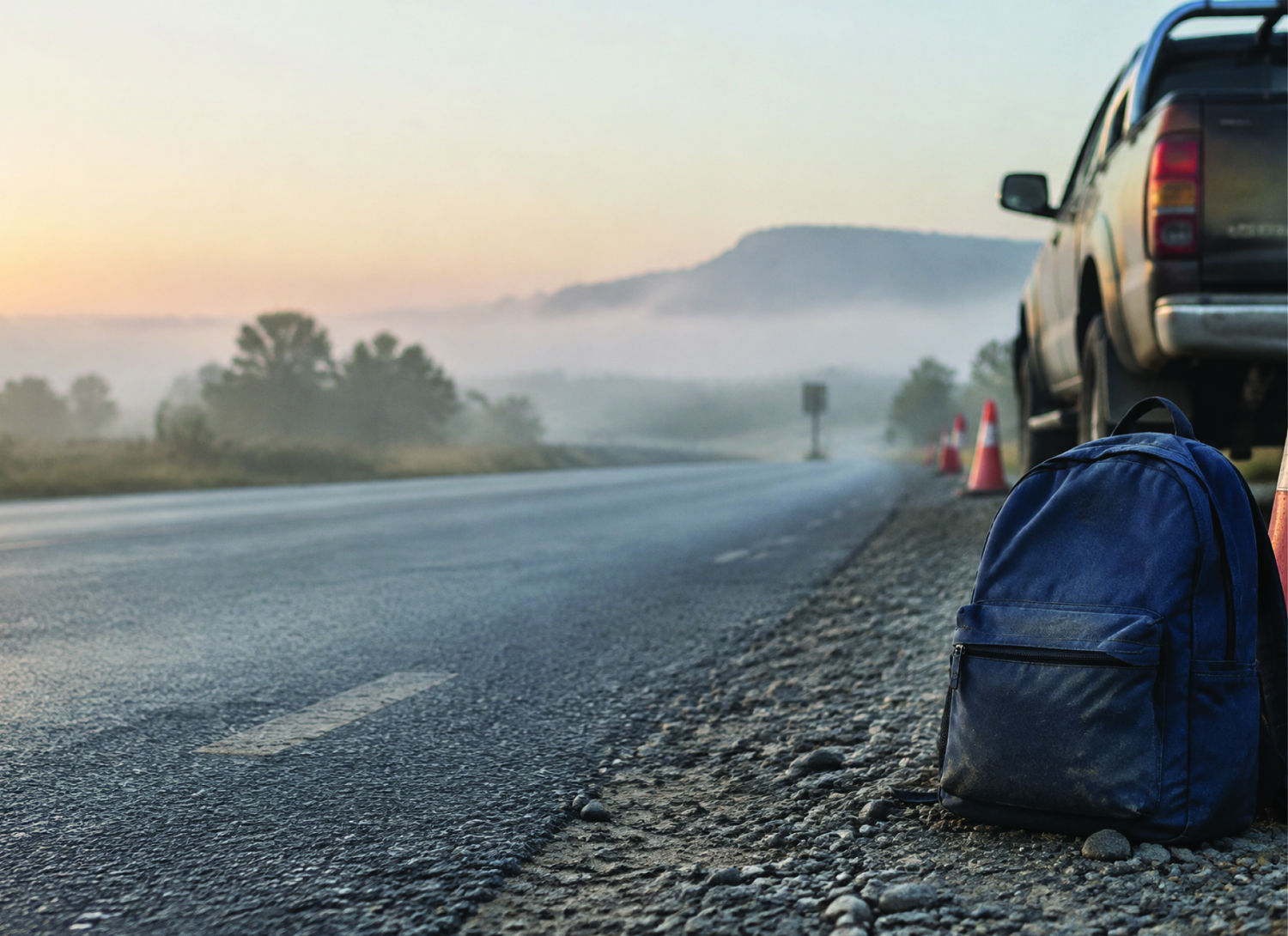
The officer said they had observed a growing tendency whereby adults insert drugs, especially dagga, in children’s school bags with the hope that the law enforcement officers would not pay much attention on children during road blocks.
“Most people are taking advantage of the fact that the police may not focus on bags carried by children during searches,” he said.
He said in some cases this does not end with using the children as carriers, but they also involve them in selling the drugs at schools and other places.
“It’s a pity that children are young and they cannot refuse when an adult is assigning them to carry out an errand,” Nkambule said.
He cited Section 16 of the Children’s Protection and Welfare Act (CPWA) of 2012 which speaks about protecting children from harmful activities.
Part 5 of a summarised version of the Act (Protection from Harmful Substances) reads as follows, “Every child has the right to be protected from the use, production, trafficking and distribution harmful drugs and substances, including but not limited to; alcohol, dagga, cigarettes, narcotics and other harmful substances.”
Different police officers have previously mentioned this issue as a growing tendency in various platforms where they were asked to make an address.
About two months ago, Manzini Prevention Officer Constable Mandisa Dhladla, told a community policing workshop at Manzini Infant Practising Primary that some school transport operators (bomalume) were loading dagga and other drugs into children’s school bags, using pupils as unsuspecting couriers to evade police detection.
She said some parents never meet the driver, they just deposit money, so they do not know who is driving their child or what is put in the bag. The workshop was organised under Manzini North Inkhundla to train community police to identify and report this. Police also confirmed that criminals were using schools to hide dagga following the discovery of over E1 million worth of dagga in teachers’ houses at a school located near the the borderline. It was gathered that these houses were used as storage before cross-border smuggling.
In July this year, a 30-year-old man was convicted for selling dagga snacks to pupils for E5 each.
| What police describe | Detail from the report | Why it matters |
|---|---|---|
| Roadblock couriers | Adults hide dagga in children’s school bags, expecting officers to pay less attention to pupils. | Big Bend DCS detective Nkululeko Nkambule says this amounts to child abuse. |
| Sales at school | Some children are also drawn into selling the drugs at schools and other places. | Police say children are too young to refuse an adult’s instruction. |
| School transport | Constable Mandisa Dhladla warned a Manzini North workshop that some bomalume load drugs into pupils’ bags. | Parents who only pay a driver may never see who is transporting the child. |
| Border storage | More than E1 million worth of dagga was found in teachers’ houses at a school near the borderline. | Police say the houses were used as storage before cross-border smuggling. |
| July conviction | A 30-year-old man was convicted of selling dagga snacks to pupils for E5 each. | Shows the trade reaching children directly, not only through concealed bags. |
Details as reported by police in the Eswatini Observer account. Figures and case outcomes are those given in the article.