
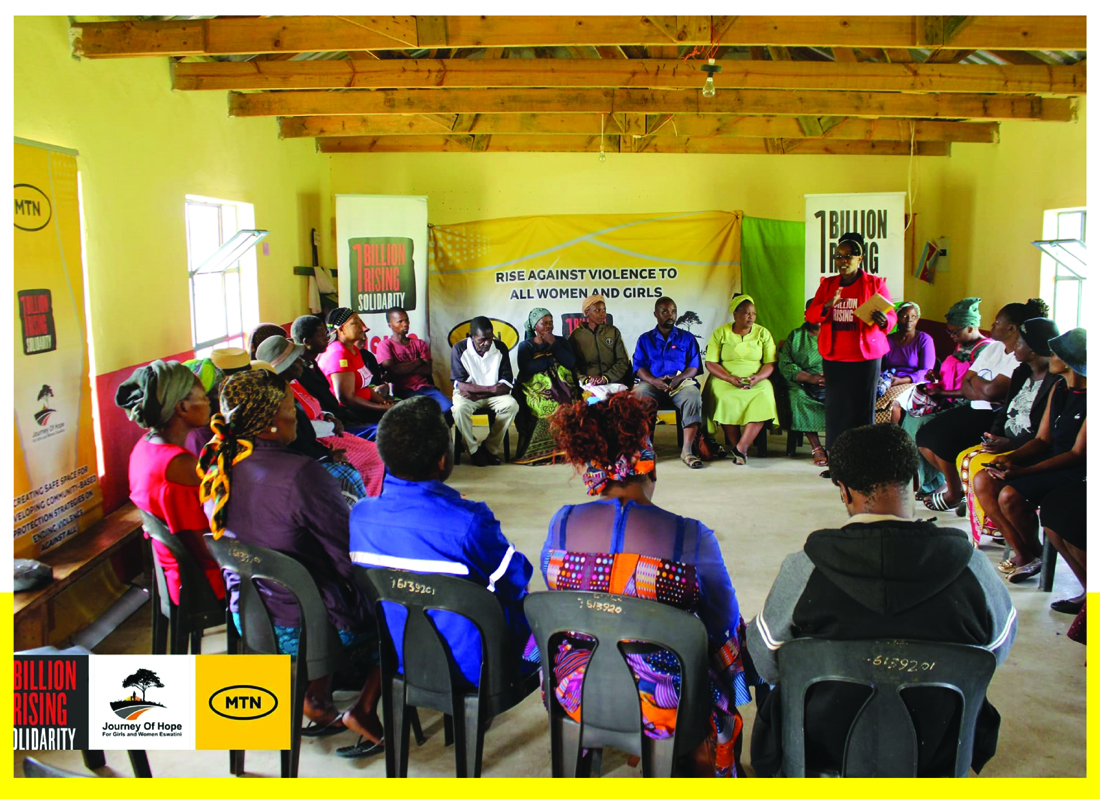
OVER the past five years, One Billion Rising Eswatini through Journey of Hope for Girls and Women in Eswatini has demonstrated the transformative power of grassroots action through its Community Circles Initiative; an approach that places communities at the centre of efforts to end gender-based violence (GBV).
As this milestone is marked, the initiative stands as a powerful example of how locally driven strategies can create sustainable change, shift harmful norms and empower individuals to take collective responsibility for safer, more just societies. Currently, over 40 community circles are active across Eswatini.
VISION OF THE COMMUNITY CIRCLES
The community circles initiative was established with a simple but impactful vision: to create safe, inclusive spaces within communities where individuals can openly discuss issues of violence, inequality and social injustice.
Unlike top-down interventions, these circles are designed to be led by community members themselves.
This ensures that the solutions developed are context-specific, culturally relevant and owned by the people they are meant to serve.
Over the past five years, this model has proven to be both effective and adaptable, reaching diverse communities across the country.
One of the most significant achievements of the initiative has been its success in breaking the silence around GBV and introducing income-generating projects at community level.
Over 300 women have been supported with start-up capital for their businesses at community level.
In many communities, GBV has long been shrouded in stigma, fear and cultural taboos.
Through regular dialogue sessions, storytelling and peer engagement, community circles have created environments where survivors and community members feel safe to speak out.
These conversations have not only raised awareness but have also challenged deeply rooted beliefs that perpetuate violence, such as the normalisation of abuse or rigid gender roles.
Another key accomplishment has been the empowerment of local leaders and change agents.
The initiative has trained and supported community facilitators; often women, youth and survivors who lead discussions, mobilise their peers and drive local action plans.
This has helped decentralise leadership and ensure that the fight against GBV is not limited to institutions or organisations but is embedded within everyday community life.
As a result, communities have become active participants rather than passive recipients of interventions.
The community circles have also fostered a strong sense of collective accountability.
Over the past five years, many participating communities have developed their strategies to prevent and respond to violence.
These include establishing informal support networks for survivors, creating community bylaws that discourage harmful practices and organising awareness campaigns that engage men and boys as allies.
By involving all members of the community, the initiative has promoted the idea that ending violence is a shared responsibility.
SHIFTING ATTITUDES AND BEHAVIOURS
Importantly, the initiative has contributed to shifting attitudes and behaviours at the household level.
Families that participate in community circles often report improved communication, reduced conflict and greater respect between partners.
Men who have engaged in the dialogues have spoken about redefining masculinity in ways that reject violence and embrace equality.
Women, on the other hand, have gained confidence to assert their rights and seek support when needed.
Engagement
These changes, though sometimes gradual, are critical in addressing the root causes of GBV.
Youth engagement has been another cornerstone of the initiative’s success.
Recognising that young people are both vulnerable to and capable of preventing violence, community circles have actively involved them in discussions and leadership roles.
Through creative methods such as drama, music and digital storytelling, young participants have been able to express their perspectives and advocate for change.
This has not only raised awareness among their peers but has also helped cultivate a new generation committed to gender equality and non-violence.
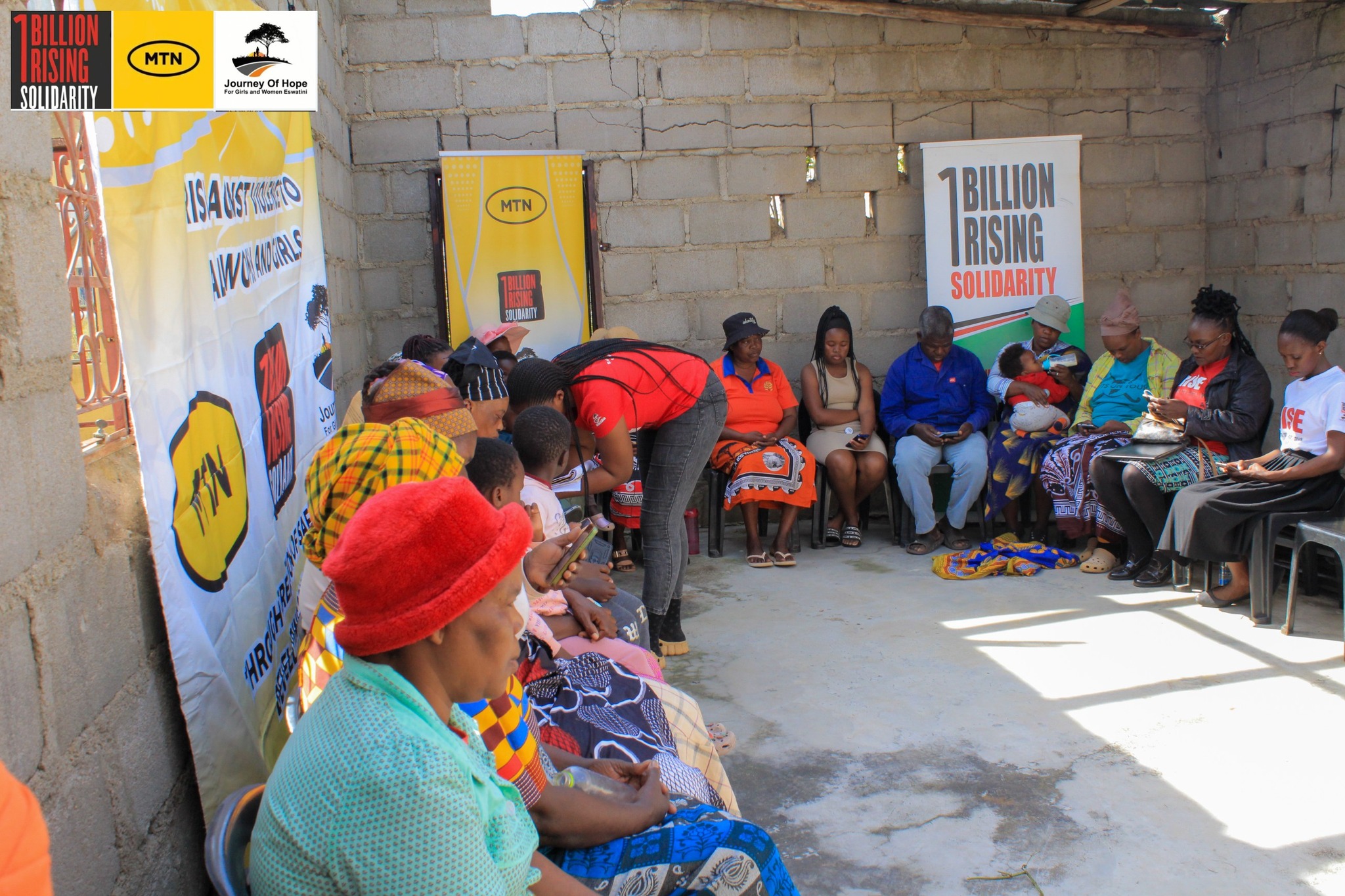
STRENGTHENING COLLABORATION BETWEEN COMMUNITIES
The initiative has also strengthened collaboration between communities and broader support systems.
While the circles are community-led, they do not operate in isolation.
Over the years, they have built linkages with local service providers, law enforcement and social welfare institutions.
This has improved referral pathways for survivors, ensuring that those who need help can access it more easily.
It has also enhanced trust between communities and formal systems, which is essential for effective GBV response and prevention.
One of the most compelling aspects of the community circles initiative is its adaptability.
Each community is encouraged to identify its priorities and design its interventions.
Violence
This flexibility has allowed the initiative to address a wide range of issues related to GBV, including domestic violence, child marriage, sexual abuse and economic inequality.
It has also enabled communities to respond to emerging challenges, such as the increased risk of violence during times of economic hardship or public health crises.
Over the five-year period, the initiative has also generated valuable lessons about what works in preventing GBV.
One key insight is that sustainable change requires continuous engagement rather than one-off interventions.
The regular nature of community circle meetings has helped maintain momentum and reinforce positive behaviours.
Another lesson is the importance of inclusivity; ensuring that all voices, especially those of marginalised groups, are heard and valued.
This has strengthened the legitimacy and impact of the initiative.
Despite these achievements, challenges remain.
Deeply entrenched social norms do not change overnight and some communities continue to face resistance.
Limited resources and capacity constraints can also affect the scale and sustainability of the initiative.
However, the progress made over the past five years provides a strong foundation for continued growth and impact.
As One Billion Rising Eswatini celebrates this milestone, the community circles initiative stands as a testament to the power of community-driven action.
It has shown that when communities are trusted, supported and empowered, they can lead meaningful change from within.
The initiative has not only contributed to reducing violence but has also strengthened social cohesion, built resilience and fostered a culture of respect and equality.
Looking ahead, the challenge and opportunity lie in expanding and sustaining this model.
By continuing to invest in community leadership, strengthening partnerships and amplifying local voices, the initiative can reach even more communities and deepen its impact.
Ultimately, the success of the community circles initiative underscores a powerful truth: ending gender-based violence is not only possible, but achievable when communities lead the way.