



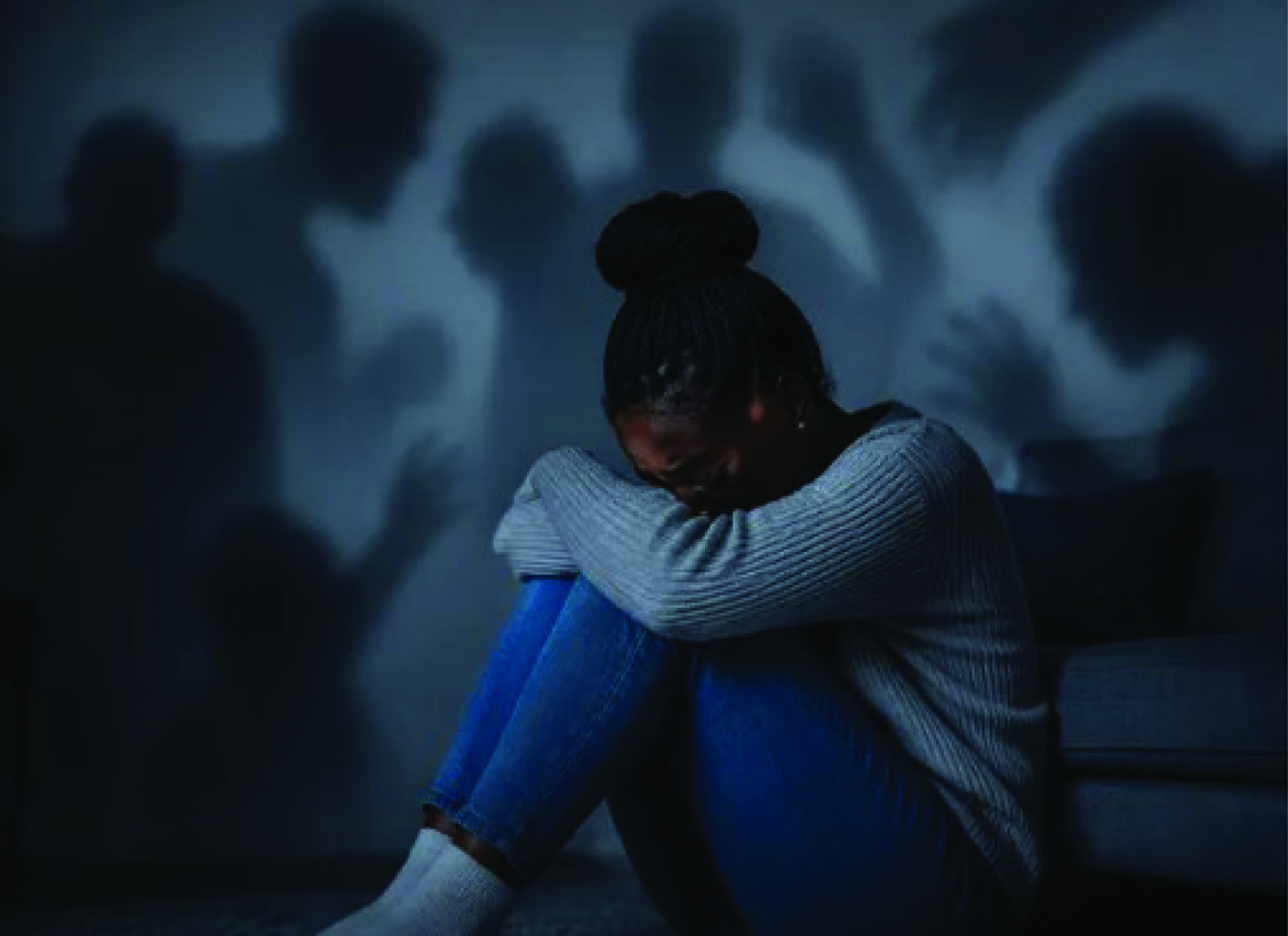
June is PTSD Awareness Month, a time to shine a spotlight on a mental health condition that affects millions of people around the world, including many South Africans.
PTSD, short for Post-Traumatic Stress Disorder, can develop after a person experiences or witnesses a traumatic event such as a hijacking, violent crime, assault, car accident, abuse or another life-threatening situation.
Despite growing awareness around mental health, PTSD remains widely misunderstood. Many people still associate it exclusively with soldiers returning from war. Others believe it is something a person should simply be able to move on from with enough time.
The reality is far more complex. In a country where many people have been exposed to violence, crime, domestic abuse, road accidents and other traumatic experiences, understanding PTSD is more important than ever.
Why PTSD matters in South Africa
South Africa has some of the highest rates of violent crime in the world. Stories of armed robberies, hijackings, gender-based violence and violent assaults regularly make headlines, but the emotional and psychological impact often receives far less attention.
For many survivors, the trauma does not end when the immediate danger passes. Long after physical wounds have healed, some people continue to relive the event through intrusive memories, nightmares and overwhelming feelings of fear.
Others may become withdrawn, anxious or constantly on edge without fully understanding why. Mental health experts say trauma exposure is common in South Africa, making awareness of PTSD especially important. The condition can affect adults, teenagers and children, and it can have a significant impact on relationships, work, education and overall quality of life.
What exactly is PTSD?
Post-Traumatic Stress Disorder is a recognised mental health condition that develops after exposure to a traumatic event involving actual or threatened death, serious injury or violence.
The person does not have to be the direct victim. PTSD can also develop in someone who witnessed a traumatic event or learned that a loved one experienced something traumatic.
Many people experience distress after a traumatic event. Feeling shocked, anxious, upset or having trouble sleeping in the days and weeks that follow is a normal reaction. PTSD is different because the symptoms persist, often becoming severe enough to interfere with everyday life. For some people, symptoms appear within weeks. For others, they may emerge months or even years later.
The symptoms many people overlook
PTSD symptoms generally fall into several categories, but they do not always look the way people expect.
One of the most recognised symptoms is re-experiencing the trauma. This can happen through flashbacks, intrusive memories or nightmares that feel intensely real.
Certain sounds, smells, places or situations can trigger these memories, causing a person to feel as though the traumatic event is happening all over again. Avoidance is another hallmark of PTSD. Someone may avoid talking about what happened, stay away from places linked to the trauma or distance themselves from people and situations that trigger painful memories.
Many people also experience emotional numbness. They may feel detached from loved ones, lose interest in activities they once enjoyed or struggle to experience positive emotions.
Hypervigilance is another common symptom. A person may constantly scan their surroundings for danger, struggle to relax or become startled by sudden noises. Difficulty sleeping, irritability, poor concentration and angry outbursts can all be signs that the body’s stress response remains stuck in survival mode.
When trauma changes the way people think
PTSD does not only affect emotions. It can also change the way people think about themselves, others and the world around them.
Some people develop a persistent sense that nowhere is safe. Others blame themselves for what happened, even when they were not responsible.
Feelings of guilt, shame, anger and hopelessness can become overwhelming. Many survivors begin to withdraw socially, convinced that nobody understands what they are going through.
Over time, these patterns can increase the risk of depression, anxiety disorders and substance abuse.
Who is most at risk?
Anyone can develop PTSD.
The condition does not discriminate based on age, gender, income or personality type. Experiencing trauma does not automatically mean someone will develop PTSD, but certain factors can increase the risk. People who have experienced rape, domestic violence, violent crime, childhood abuse, serious accidents or repeated exposure to trauma are generally more vulnerable.
First responders, healthcare workers, police officers and military personnel may also be at increased risk because of the nature of their work. Children can develop PTSD, too. In younger children, symptoms may show up differently, sometimes through repetitive play, behavioural changes, anxiety or physical complaints such as headaches and stomach aches.
Understanding complex PTSD
Mental health professionals are increasingly recognising a condition known as Complex PTSD, often called C-PTSD.
While traditional PTSD may develop after a single traumatic event, Complex PTSD is usually linked to repeated or long-term trauma.
This can include ongoing domestic violence, childhood abuse, human trafficking or prolonged exposure to coercive and controlling situations. People living with Complex PTSD often experience the traditional symptoms of PTSD alongside additional challenges. These may include difficulties regulating emotions, deep feelings of shame, low self-worth and problems forming or maintaining healthy relationships.
The World Health Organization now recognises Complex PTSD as a distinct condition.
Why symptoms can appear years later
One of the reasons PTSD is often missed is that symptoms do not always appear immediately.
Some people seem to cope well after a traumatic experience, only to develop symptoms months or even years later. Additional life stress, another traumatic experience or significant life changes can sometimes trigger previously buried trauma.
Because of this delay, people do not always connect their symptoms to an event that happened long ago.
Can PTSD be treated?
The encouraging news is that PTSD is highly treatable.
Mental health professionals use a range of evidence-based treatments that can significantly reduce symptoms and improve quality of life.
One of the most effective approaches is trauma-focused Cognitive Behavioural Therapy, often referred to as CBT. This type of therapy helps people understand how trauma has affected their thoughts, emotions and behaviours while teaching practical coping strategies.
Eye Movement Desensitisation and Reprocessing, known as EMDR, has also been shown to help many people process traumatic memories in a safe and structured way. Support groups can provide reassurance and connection, helping survivors realise they are not alone. Family therapy may also be useful when PTSD affects relationships at home.
In some cases, medication may be prescribed alongside therapy to help manage symptoms such as anxiety, depression and intrusive thoughts.
Recovery takes time
There is no quick fix for PTSD.
Healing often happens gradually, and recovery looks different for everyone. Some people improve within months, while others require longer-term support. Mental health professionals encourage trauma survivors to be patient with themselves and to recognise that recovery is a process rather than a single event.
Seeking help is not a sign of weakness. It is often the first and most important step towards reclaiming a sense of safety, stability and control.
Breaking the myths around PTSD
One of the most damaging myths about PTSD is that it only affects people who are unable to cope with adversity.
In reality, PTSD is a recognised medical condition linked to the way the brain and body respond to trauma. It can affect anyone.
Another common misconception is that people should simply move on once the traumatic event is over. Trauma does not work that way. For many survivors, the effects continue long after the danger has passed.
PTSD Awareness Month is an opportunity to challenge these myths and encourage more open conversations about trauma and mental health. For many South Africans, understanding PTSD may help them recognise symptoms in themselves or someone they love.
More importantly, it can serve as a reminder that support is available, treatment works, and recovery is possible.
IOL Lifestyle