



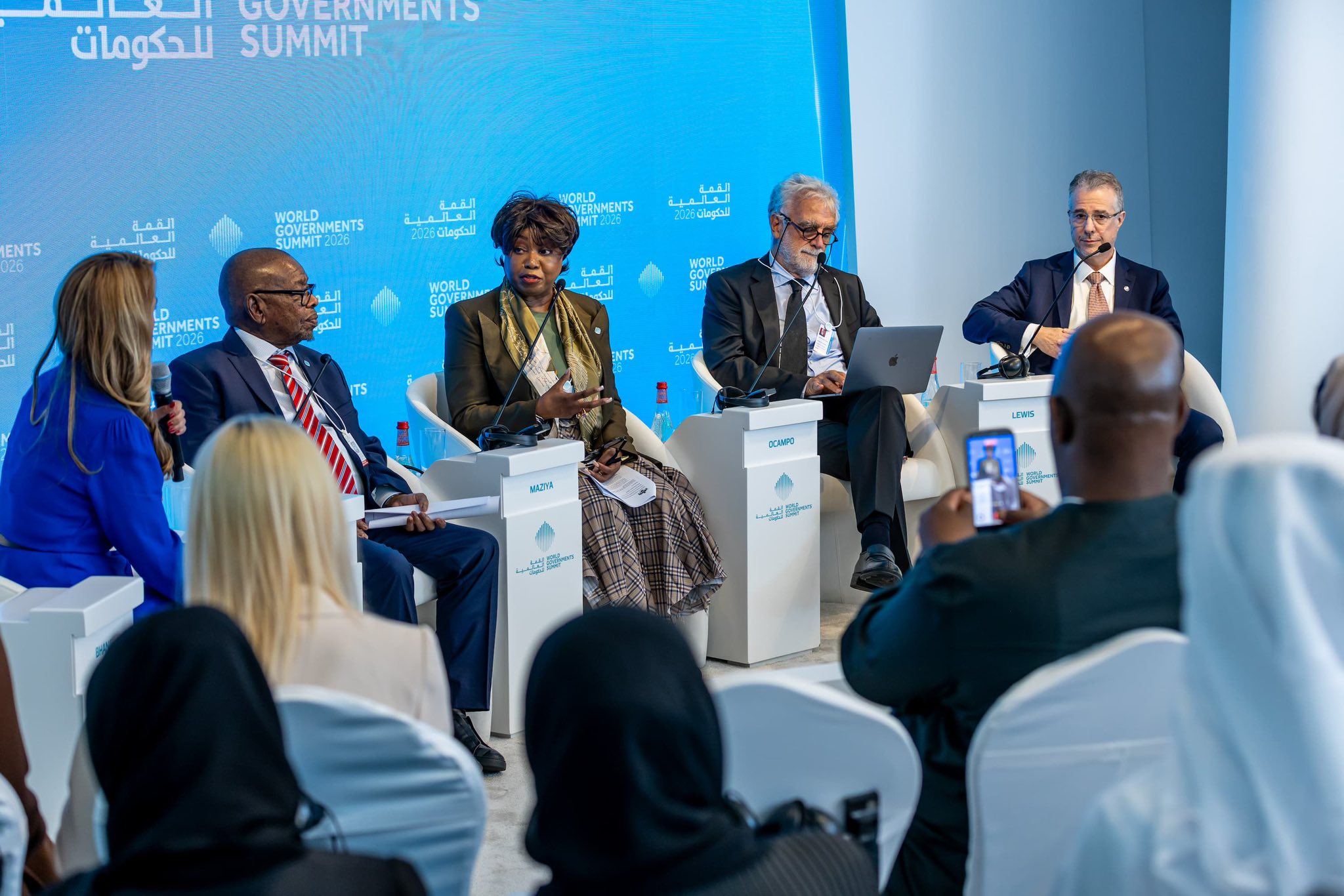
Minister of Information, Communication and Technology Savannah Maziya says development must move beyond dialogue into action that delivers real change in people’s lives.
The minister, who is also part of the delegation that has joined Prime Minister Russell Dlamini at the World Government Summit held in Dubai, was addressing world leaders at the Global Councils Meeting on the SDGs in her capacity as Chair of the Global Council on SDG 5 on Gender Equality on Wednesday.
Maziya said from the country’s experience, development must be felt by people, not only measured in reports but by expanding opportunity, restoring dignity, and leaving no one behind. She said digital transformation is a driver of inclusive development, particularly for women and girls.
Looking ahead to 2030 and the XDGs 2045, the minister reaffirmed the country’s commitment to people-centred, inclusive, and future-ready development, where technology serves humanity and global cooperation ensures no one is left behind.
She stated that the country’s progress, including strong female participation in national digital skills programmes, growing women-led start-ups at the Royal Science and Technology Park, and the impact of She Powers Africa–aligned initiatives, supporting thousands of girls and young women.
READ MORE | ‘New curriculum sets schools up to fail’
The minister also participated in a high-level panel discussion at the Global Government Regulatory and Justice Forum, under ‘Who Owns Innovation Tomorrow?’. This is where she contributed Eswatini’s perspective on AI, innovation ownership, and governance.
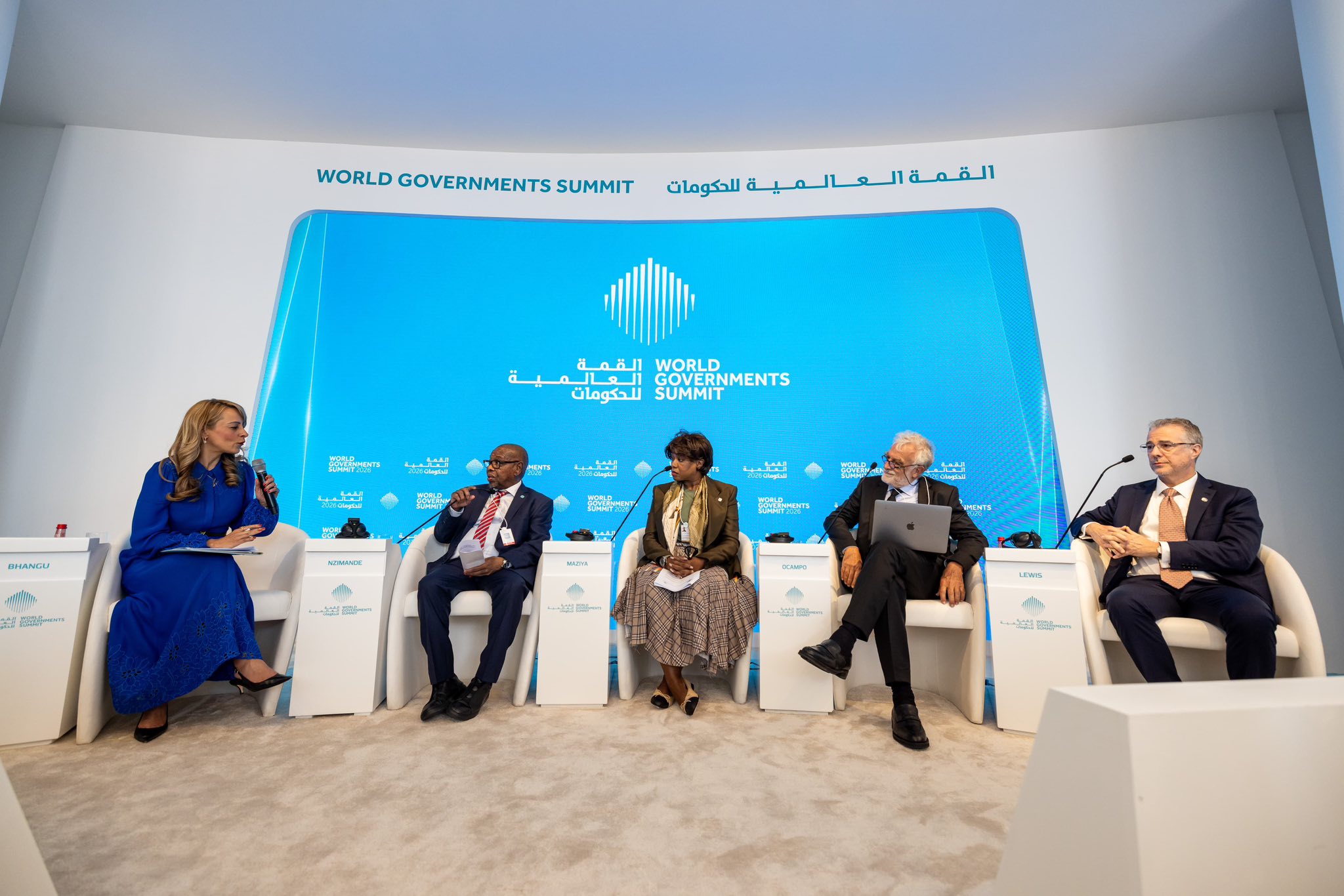
She highlighted Eswatini’s intentional ecosystem approach to protecting local innovation in the age of AI, strengthening the intellectual property framework, leveraging the RSTP, and building capacity through partnerships with ITU, Google, Oracle, the Government of India, and the Government of the UAE. She said the world was reaching a point where a more universal approach to AI legislation was needed. She said fragmented policies leave countries and citizens vulnerable, while technology continues to evolve faster than regulation.
These were urgent questions that must be addressed collectively, including how countries have to legislate AI while still discovering its full potential.
Also determine if there will come a time when humanity must consult AI itself to help determine how it should be governed, she noted.
Maziya underscored that AI governance is inseparable from the achievement of the SDGs.
“Without inclusive, ethical, and coordinated frameworks, emerging technologies risk deepening inequality rather than accelerating sustainable development,” she said.
She added that smaller nations have a critical role in shaping global AI governance by bringing perspectives rooted in inclusivity, equity, and real world delivery.
ALSO READ | Minister Savannah awaits PM’s advice on RSTP CEO