



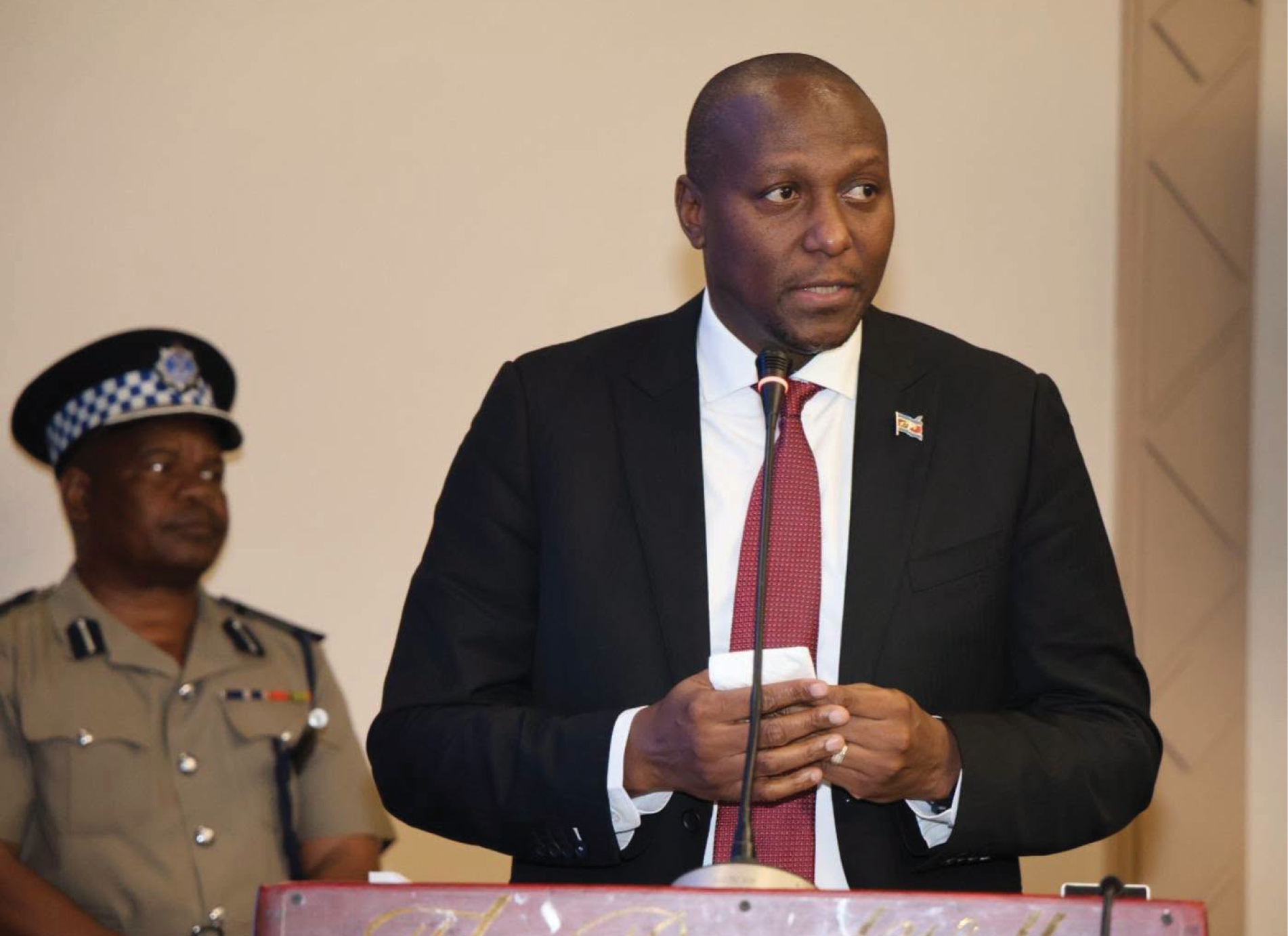
PRIME Minister Russell Mmiso Dlamini has directed all government ministries to make job creation a central part of their initiatives.
He said creating employment was government’s urgent responsibility, adding that each ministry had a duty to identify how its work contributed to creating jobs.
Speaking during the closing of the first Semi-Annual Government Performance Review at Royal Villas yesterday, the premier said the ministries would be expected to report on the actions they had taken, the jobs created and the challenges preventing employment opportunities.
The review session was attended by representatives from the deputy prime minister’s office, Cabinet ministers, principal secretaries and senior government officials, representatives of the United Nations Family and development partners.
The objective of the meeting was to assess whether undertakings made by government during a retreat six months ago had been achieved. The commitments made, according to the prime minister, pertained to actions that were to be undertaken in pursuit of the national development objectives.
The call comes amid growing pressure on the country’s job market, highlighted by the recent submission of about 17 000 job applications by young people seeking employment in the Royal Eswatini Police Service (REPS). The high number of applicants underscored the demand for employment and the challenge of skilled youth unemployment in the country.
The prime minister said future performance reviews would require ministries to provide evidence of their contribution to job creation. He stressed that government performance should be measured by tangible results.
The premier said over the past two days of the review session, ministers, principal secretaries and executives of government departments had considered the progress reported by their ministries, identified constraints on delivery and discussed the decisions required to improve performance during the remainder of the year. “We must now translate those decisions into action. The value of this exercise will be measured by whether projects move forward, services improve and more Emaswati gain access to employment,” Dlamini said.
He also identified limited access to land as a major obstacle to business start-ups and investment. He said delays in identifying, surveying and making land available could affect when investors started operating and when people secured employment.
Dlamini called for the strengthening of the technical capacity of the surveyor-general’s office. He also called for better coordination among institutions responsible for land and related approvals.
He said government needed to improve project planning and preparation to ensure that priority projects were ready for implementation.
The prime minister said the Programme of Action should guide ministerial planning and budgeting. He stressed that project preparation had to begin well before the budget process.
He said ministries should establish project scope, costs, implementation timelines and requirements before seeking funding.
Dlamini further directed ministries to prioritise projects that were ready for implementation. Those still requiring preparation should include clear milestones in their plans. He said government should also be prepared to fund concept development, feasibility studies and other assessments needed to prepare priority projects.
Furthermore, the prime minister said ministries should work with the Policy and Programme Coordination Unit (PPCU) to strengthen their planning and project management skills. “Ministries should agree early on what they will measure, who will collect the evidence and when it will be reported,” he stated, and further welcomed the United Nations’ willingness to assist government with training and improving the preparation of performance reports.
‘Country must generate electricity for export’
PRIME Minister Russell Mmiso Dlamini says the country must pursue opportunities so as to generate electricity for export.
Dlamini said this could create a new revenue stream for the country. He said electricity exports could become viable if government ensured proper project preparation, identified suitable markets and developed the necessary grid infrastructure.
The premier said the relevant ministries and institutions had to turn this ambition into an investment programme with clear milestones.
In his address at the Royal Villas, Dlamini also called for the formation of an infrastructure planning committee. He said the committee would help government agree on priorities and coordinate infrastructure projects across ministries. The premier emphasised that climate resilience had to be considered when planning infrastructure projects, particularly those that were affected by drought, flooding and other climate-related risks.
On budget execution, the prime minister said delays and shortfalls in the release of approved funds had affected service delivery.
He said ministries struggled to meet their commitments and deliver services on time when funds were released late or fell below the required amounts. Dlamini said addressing the problem required joint efforts from government institutions.
He called for better cash-flow management and more realistic spending forecasts.
He said ministries had to align their forecasts with procurement and project implementation schedules.
“The ministry of finance must communicate expected releases and material changes early enough for ministries to adjust their plans. We must also make explicit the support ministries need from finance and public service. We must live within our means and secure greater value from every Lilangeni,” stated Dlamini.