



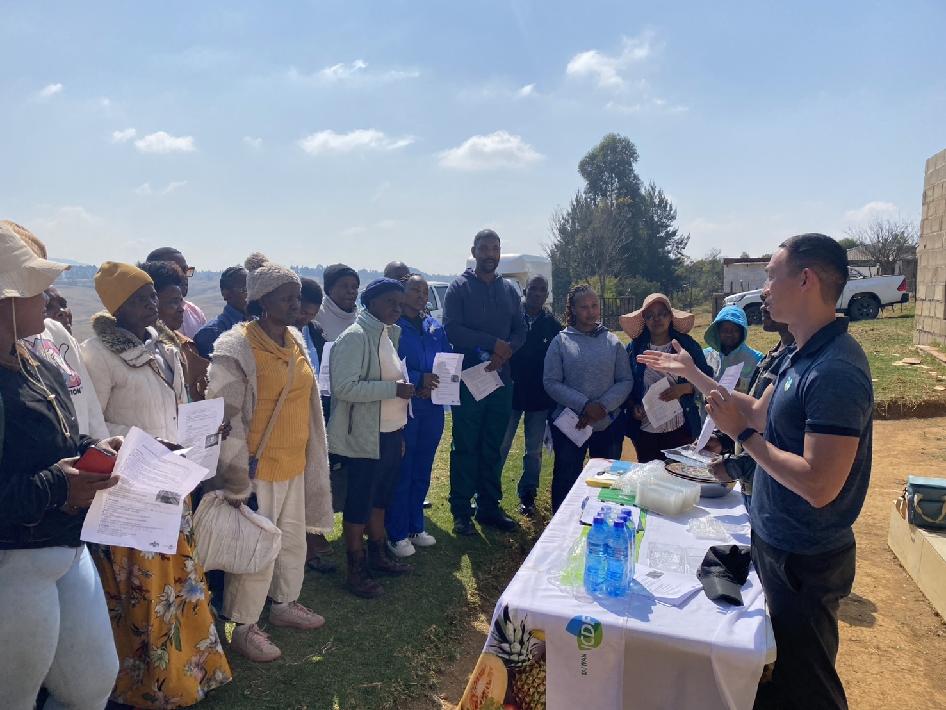
A strawberry training workshop has equipped Hawane farmers with practical skills while instilling the idea that market orientation and quality-first approaches are essential for success.
| Eswatini Observer WhatsApp Channel
Behind every sweet strawberry lies not only soil and labour, but also professionalism, innovation and vision for the future. At a pivotal moment when Eswatini’s strawberry industry is moving toward commercialisation and professionalisation, a unique post-harvest handling workshop was held in Hawane.
Hands-On Training in the Fields
The training, organised by the Emerging Fruit Tree Production, Marketing and Capacity Building Project, saw project specialist Alex Lin conducting hands-on field training.
He guided farmers step by step—from harvesting strawberries to preparing them for the market.
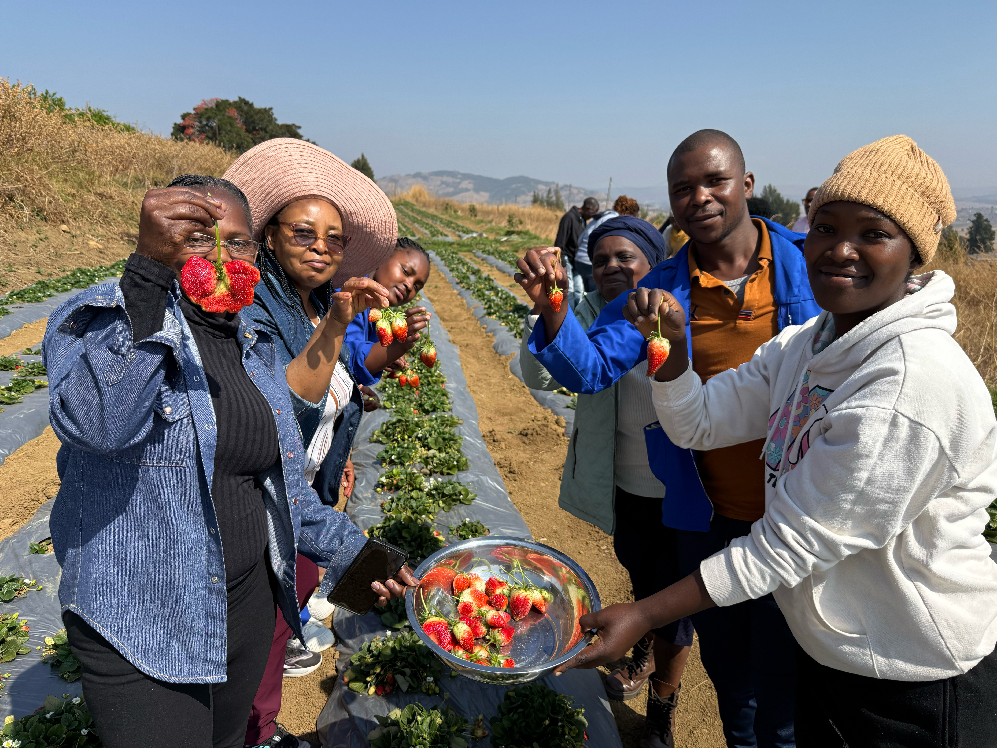
In the fields of Hawane, farmers harvested not only bright red strawberries, but also fresh confidence and enthusiasm for the industry’s future.
Lin said the training symbolised that Eswatini’s strawberry industry is advancing towards maturity and international recognition.
Beyond Farming: Market Orientation
During the classroom session, Lin stressed the importance of:
-
Standardisation in packaging
-
Balancing quality management with market orientation
-
Meeting requirements of retail outlets such as Pick n Pay, OK Foods, and farmers’ markets
“A clean, consistently packaged and clearly labelled box of strawberries will always stand out on the shelf and attract retailers and consumers more than disorganised products,” Lin explained.
Farmers were introduced to branding and marketing concepts, boosting their knowledge and confidence.
From Harvest to Packaging
The training combined theory with practice:
-
Maturity assessment: learning to identify strawberries at 80% ripeness—the ideal stage for flavour and transportability.
-
Proper harvesting techniques: preventing mechanical damage by correctly holding the fruit and stem.
-
Grading, weighing and packaging: sorting strawberries by size and quality, placing them in transparent clamshell containers, and finishing with labelling.
The lively sessions had farmers laughing, learning, and even celebrating when one participant discovered a giant strawberry, which became the day’s highlight.
One farmer, Sibusiso Mncina, remarked:
“Before, we only knew how to harvest strawberries. Today I learnt that selling strawberries requires as much professionalism as growing them.”
Another farmer proudly displayed a neatly packaged box, saying:
“Seeing the final product look so good gave me a real sense of accomplishment.”
Building a Sustainable Strawberry Sector
Project Manager Chih-Cheng Lee emphasised that such training was crucial to upgrade Eswatini’s strawberry industry through high quality, strong branding and sustainable operations.
He highlighted that Eswatini imported over 45 tonnes of strawberries from South Africa last year, proving the vast potential of the local market.
“If our farmers master standardised production and ensure stable supply, they can reduce imports. Selling well is more profitable than merely growing more,” Lee said.
Eswatini Observer Press Reader | View Here