


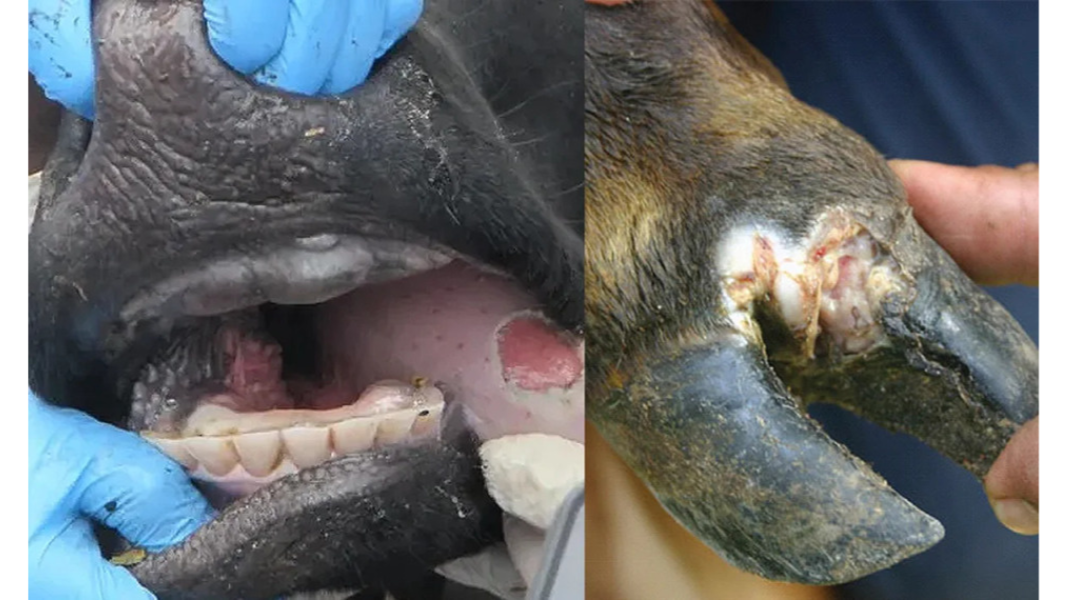
The outbreak of foot-and-mouth disease (FMD) in the country has caused significant disruptions to the meat supply value chain and restricted operations in butcheries.
Butchery owners said they were severely impacted as the disease threatened their economic viability and livelihoods as traders in the meat business.
This follows the confirmation of the disease in May last year, leading to nationwide bans and a significant decrease in available livestock for slaughter in the Lubombo, Manzini and Shiselweni regions.
The highly contagious viral disease affected cattle, sheep, pigs, goats and other cloven-hoofed animals. Cases were confirmed in the country, Botswana, South Africa and Mozambique, raising economic and trade risks.
Lindani Dlamini said due to supply chain disruptions, they had to increase beef prices to E85 per kilogramme or face revenue losses in the butchery industry.
He said the suspension of livestock sales and movement in affected regions halted the flow of cattle and pigs to abattoirs, resulting in shortages and scarcity of meat during the festive season.
Dlamini said they resorted to buying meat from abattoirs as advised, whereas they were used to informal trading where they bought directly from livestock farmers.
ALSO READ | Indlovukazi Warns Pastors Against Selling the Truth
“This has resulted in higher logistical costs as we have to comply with veterinary regulations that increase operational costs as a whole. Therefore, we also have to increase prices per kilogramme for beef and wors, and we lost some customers. Some of us have suspended operations due to the inability to source animals,” he said.
Tengetiwe Dlamini echoed Lindani’s sentiments, saying she had to close shop due to frustration during the festive season.
She said due to the local shortage of fresh meat, she increased red meat prices from E60 to E90 per kilogramme.
As a result, she stopped operating both her butchery and restaurant, continuing only with her car wash business and grocery shop.
She said her three employees were the hardest hit when she suspended operations due to reduced revenue, as they lost their jobs.
She added that the FMD outbreak forced operators to navigate a constrained, high-risk environment and led to the closure of informal and smaller businesses.
“This affected the entire value chain — consumers, butcheries, livestock suppliers and transport operators, both formal and informal. Some of us are small-scale butcheries that can hardly afford to source from the suggested vetted safe areas.
FMD has serious implications not only for us, but rural livelihoods, meat exports and national food security,” Tengetiwe said.