



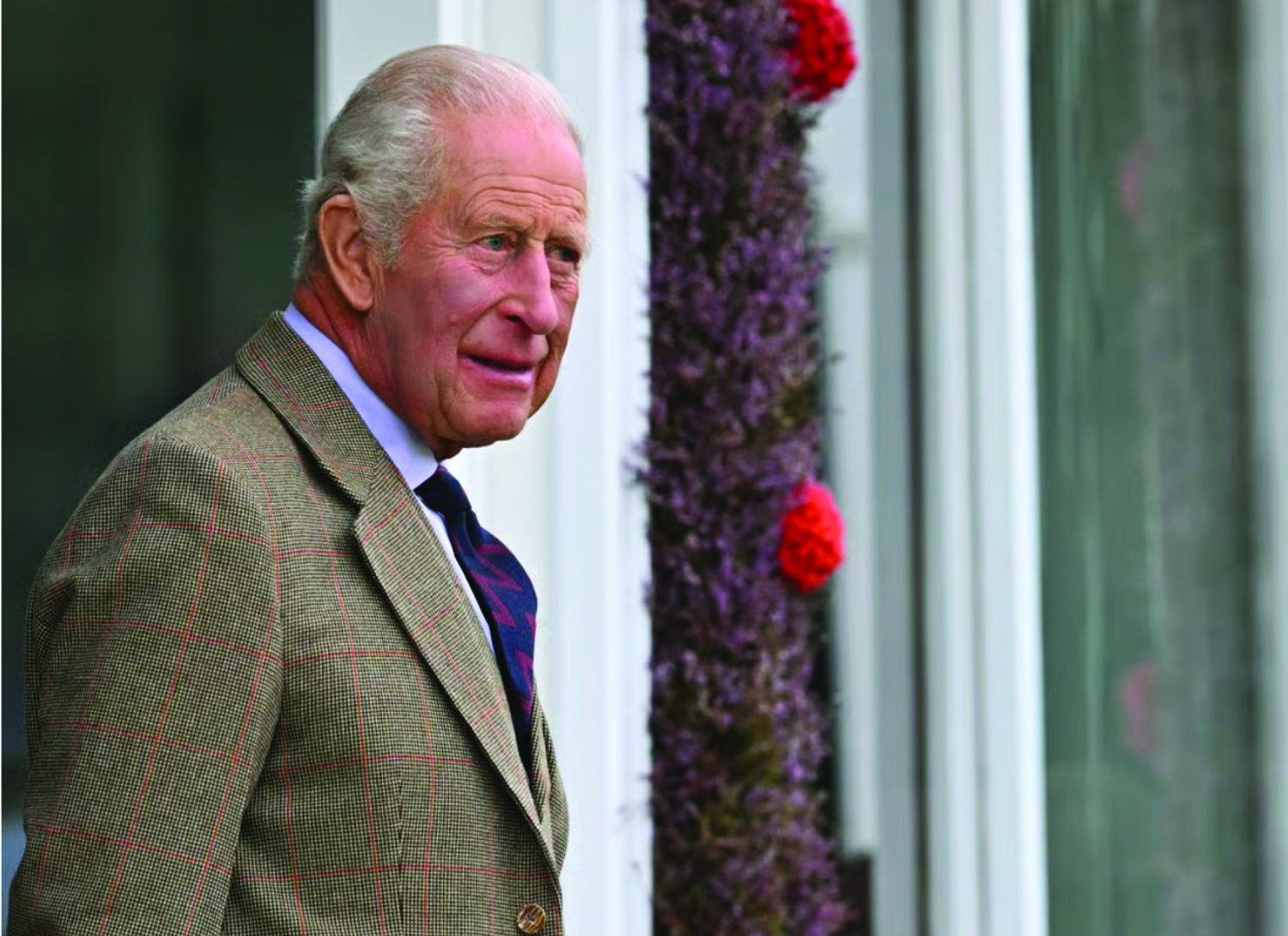
KING Charles III of the United Kingdom has congratulated His Majesty King Mswati III and the people of Eswatini on the country’s 58th Independence Day, highlighting the close relationship between the two countries.
In a message addressed to His Majesty King Mswati III, King Charles said together with his wife, Queen Camilla, were pleased to extend their warmest congratulations to the king and Emaswati on the national celebrations.
Eswatini celebrated its 58th Independence Day on September 6, marking 58 years since gaining independence in 1968.
King Charles said he reflected with sincere appreciation on the friendship and close partnership shared between the United Kingdom and Eswatini.
He said the relationship between the two countries was rooted in mutual respect and common values, adding that it continued to grow through the ties between the people of the two nations and their shared commitment to the Commonwealth.
“Our family of nations remains a source of great strength, fostering understanding, cooperation and opportunity across the world,” King Charles said.
The king also referred to the role of the Commonwealth, noting the diversity of its Member States and the contribution of younger generations. He said the energy of young people across the Commonwealth continued to inspire hope and progress.
“The Commonwealth’s rich diversity and the energy of its younger generations continue to inspire hope and progress,” he said.
King Charles said the bonds that unite Commonwealth countries were particularly important at a time of global uncertainty.
He further expressed his anticipation of the opportunity for Commonwealth countries to come together at the Commonwealth Heads of Government Meeting later this year.
The king said the meeting would provide an opportunity for Member States to reaffirm their shared commitments and chart a course towards a prosperous future for their citizens.
“I look forward to the opportunity for our nations to come together at the Commonwealth Heads of Government Meeting later this year, where we may reaffirm our shared commitments and chart a course towards a prosperous future for all our citizens,” he said.
The British monarch also recognised Eswatini’s efforts to build resilience in the face of environmental challenges and protect its natural heritage.
King Charles said he was encouraged by the kingdom’s commitment to safeguarding its natural heritage for future generations. He said such efforts demonstrated the determination and responsibility needed to secure a sustainable future for the world.
“I am encouraged by Eswatini’s commitment to building resilience in the face of environmental challenges and to safeguarding its natural heritage for future generations,” King Charles said.
The message also touched on the importance of continued cooperation between countries in addressing challenges that affect future generations.
King Charles, who has spoken publicly on environmental and sustainability issues over the years, placed the kingdom’s environmental efforts within the wider need for countries to work towards a sustainable future.
The king and Queen Camilla concluded their message by extending their best wishes to King Mswati III and all Emaswati. They wished the kingdom a peaceful, prosperous and successful year ahead.
“My wife and I extend our very best wishes to you and to all Emaswati for a peaceful, prosperous and successful year ahead,” King Charles said.
The message from the British monarch comes as Eswatini marks its 58th year of independence and reflects the continuing links between the kingdom and the United Kingdom through bilateral relations and their membership of the Commonwealth.
King Charles’ message placed particular focus on friendship, cooperation, the Commonwealth, young people and environmental protection.
The Commonwealth remains an important connection between Eswatini and the United Kingdom, with the two countries among its 56 Member States.
The King’s reference to the upcoming Commonwealth Heads of Government Meeting also points to the continued role of the organisation in bringing member states together to discuss matters of common interest.